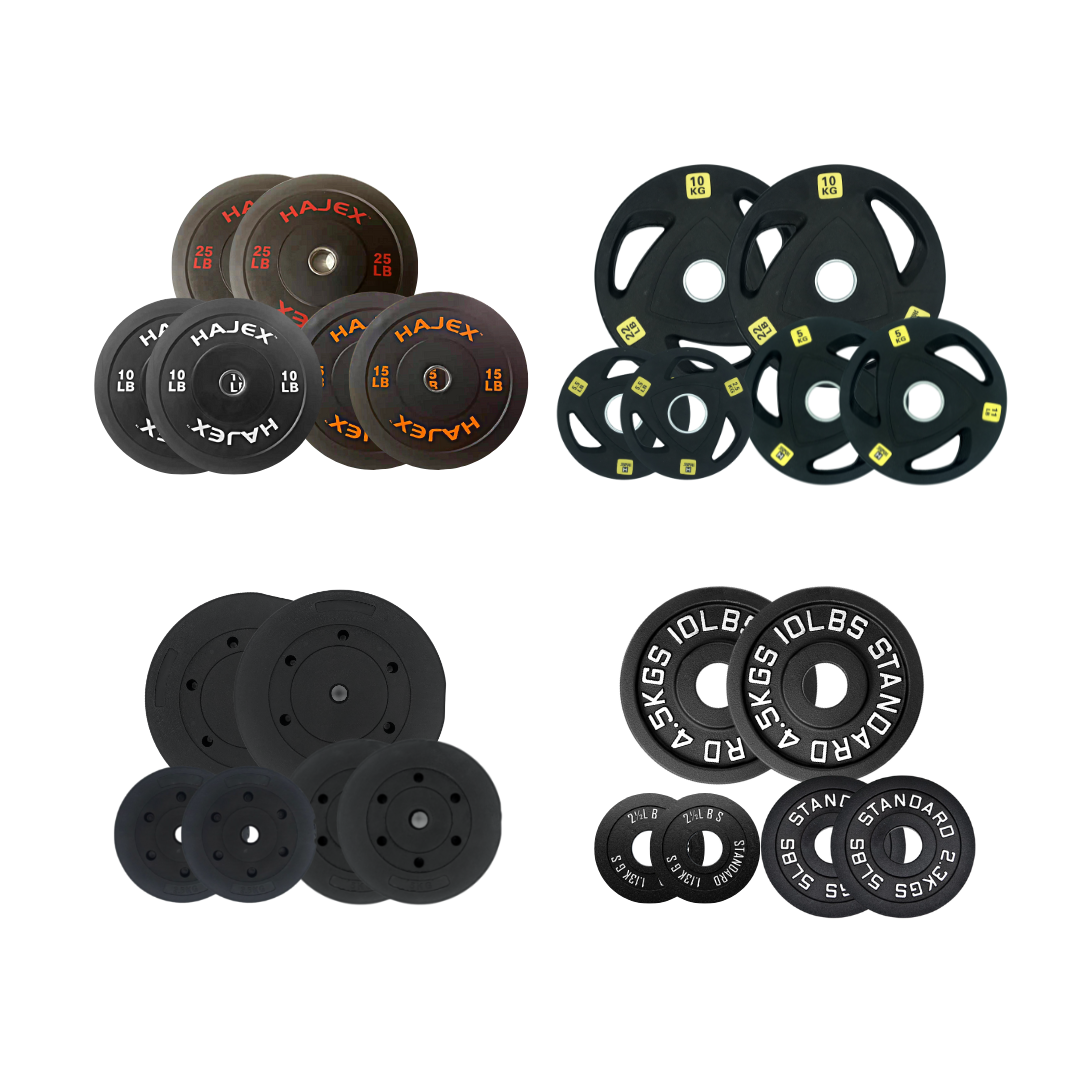
 WEIGHT PLATES
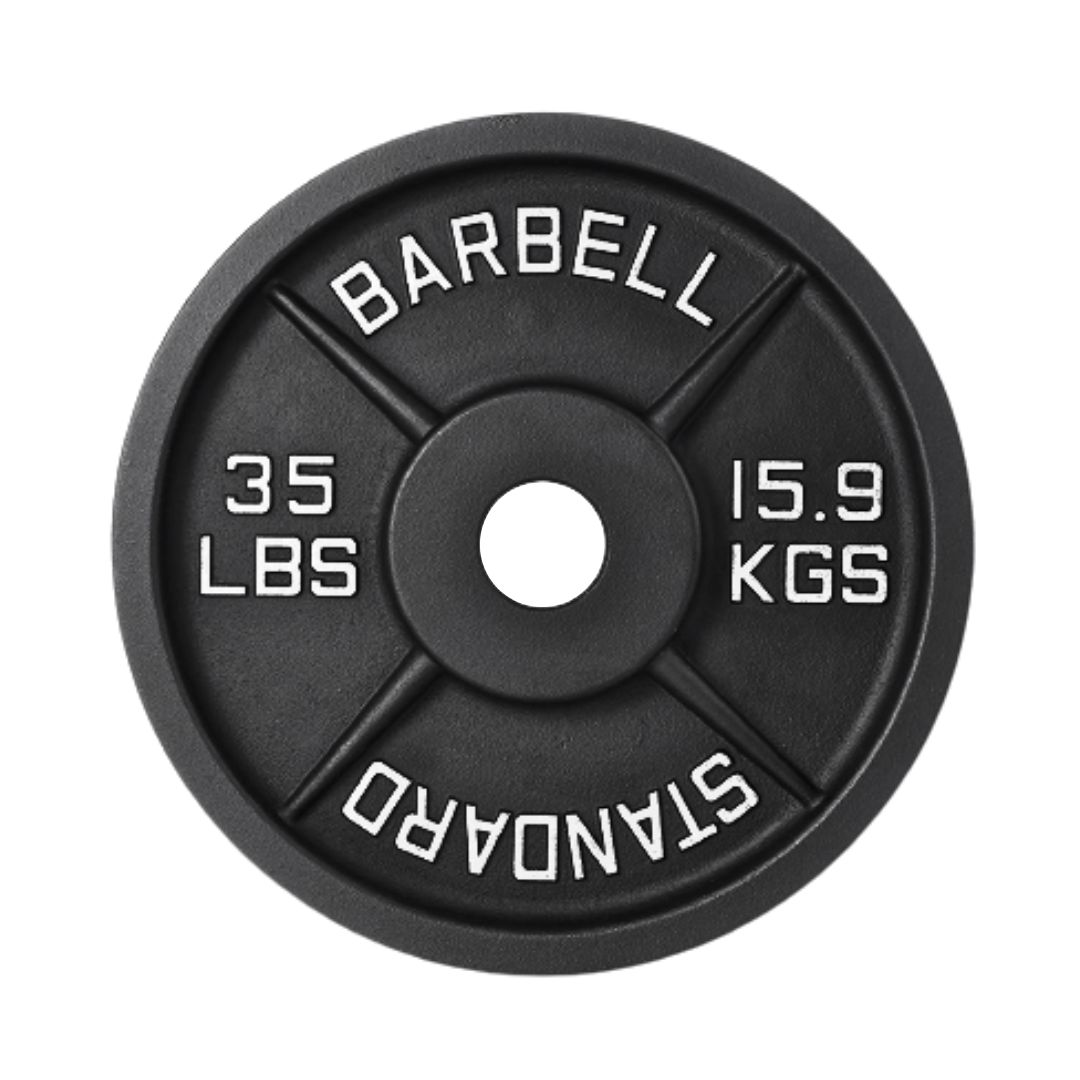 Cast Iron Olympic Plates
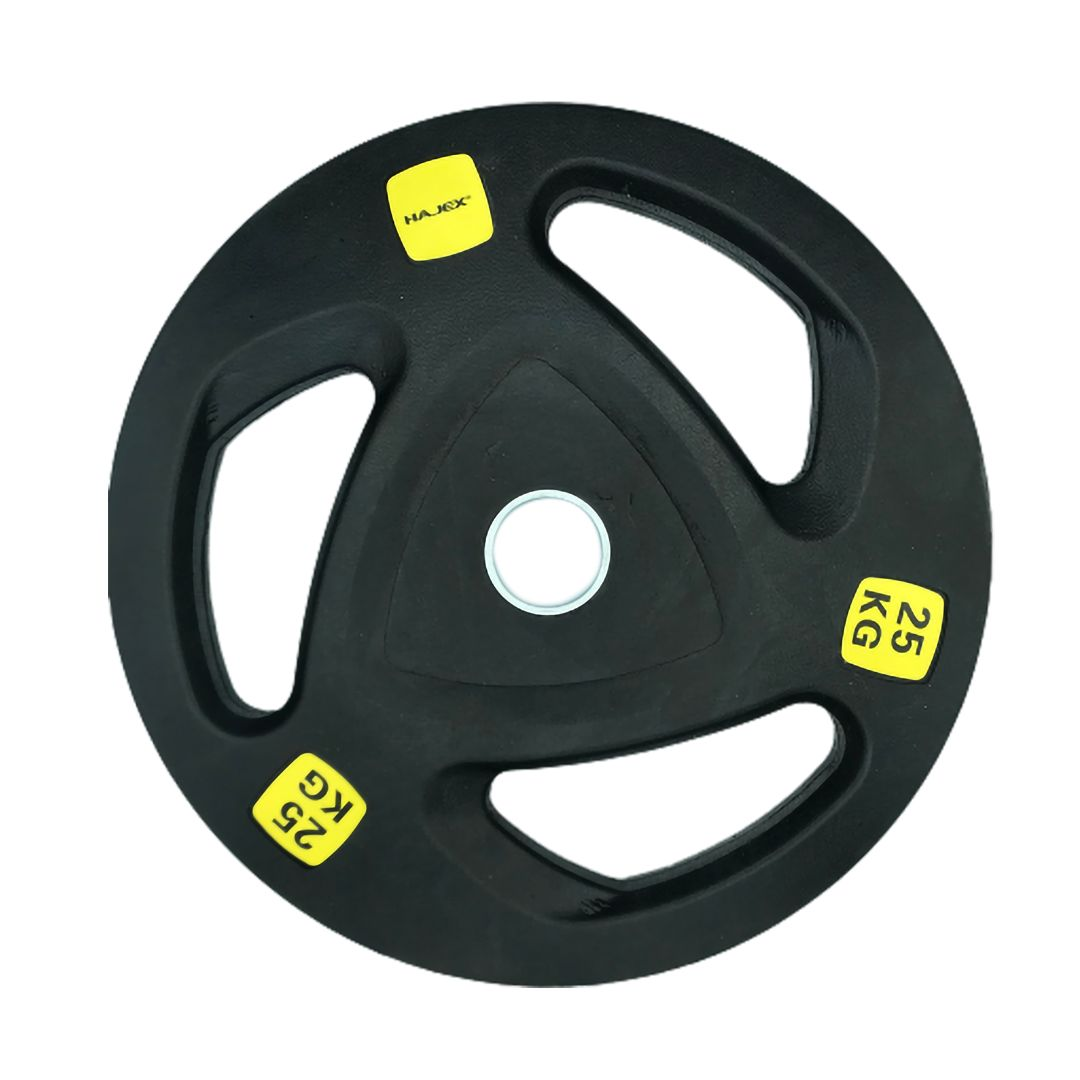 Olympic Rubber Weight Plates
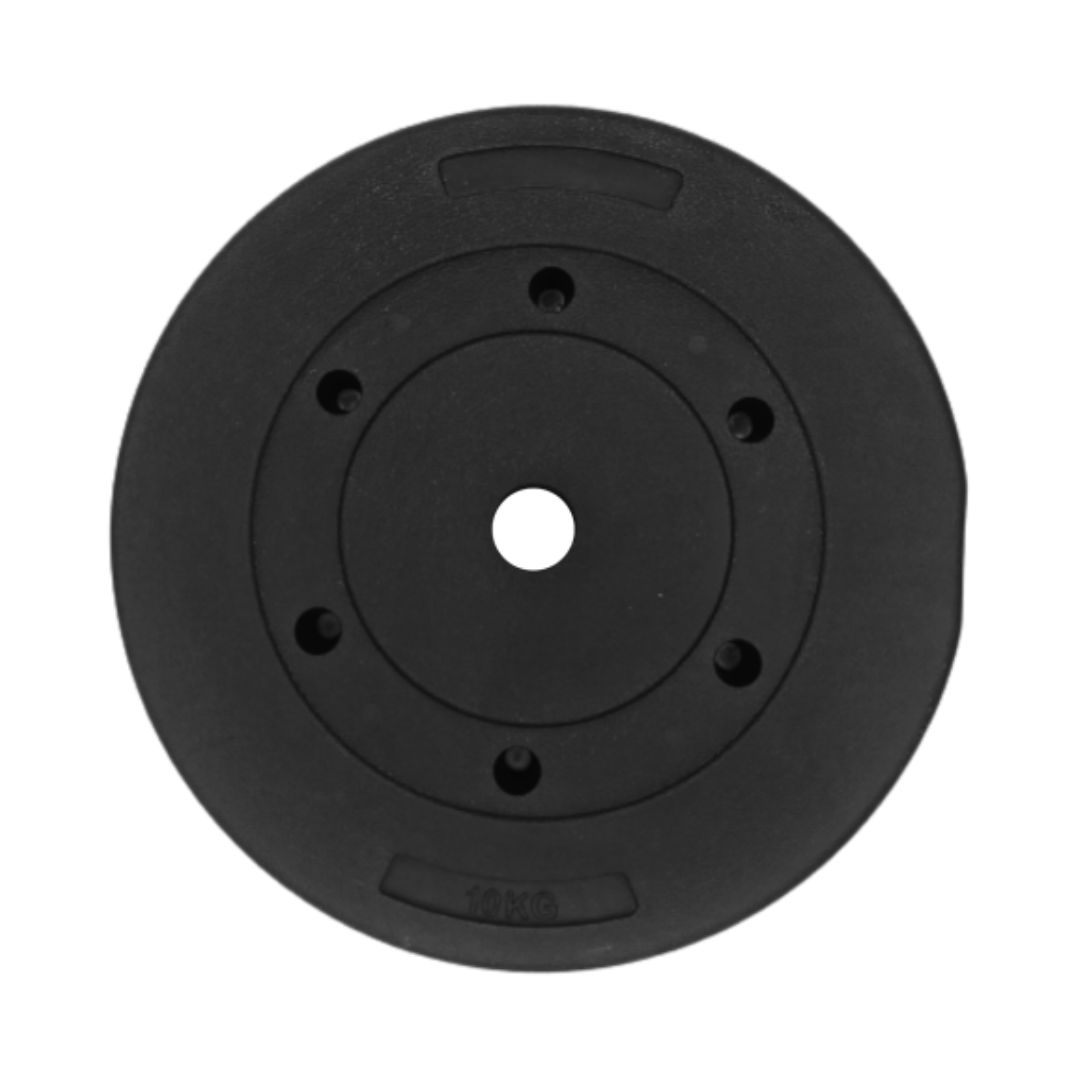 PVC Weight Plates
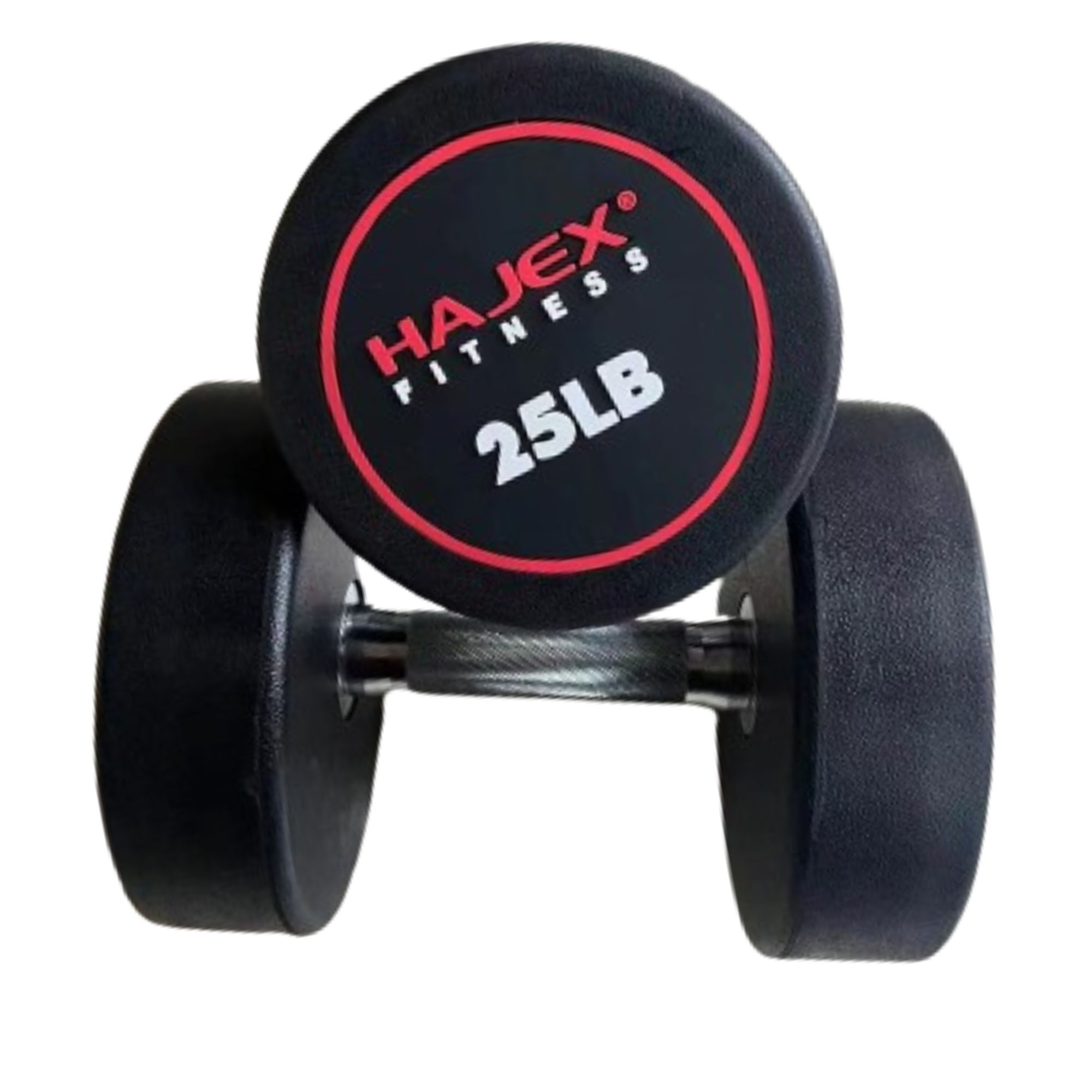 DUMBBELLS
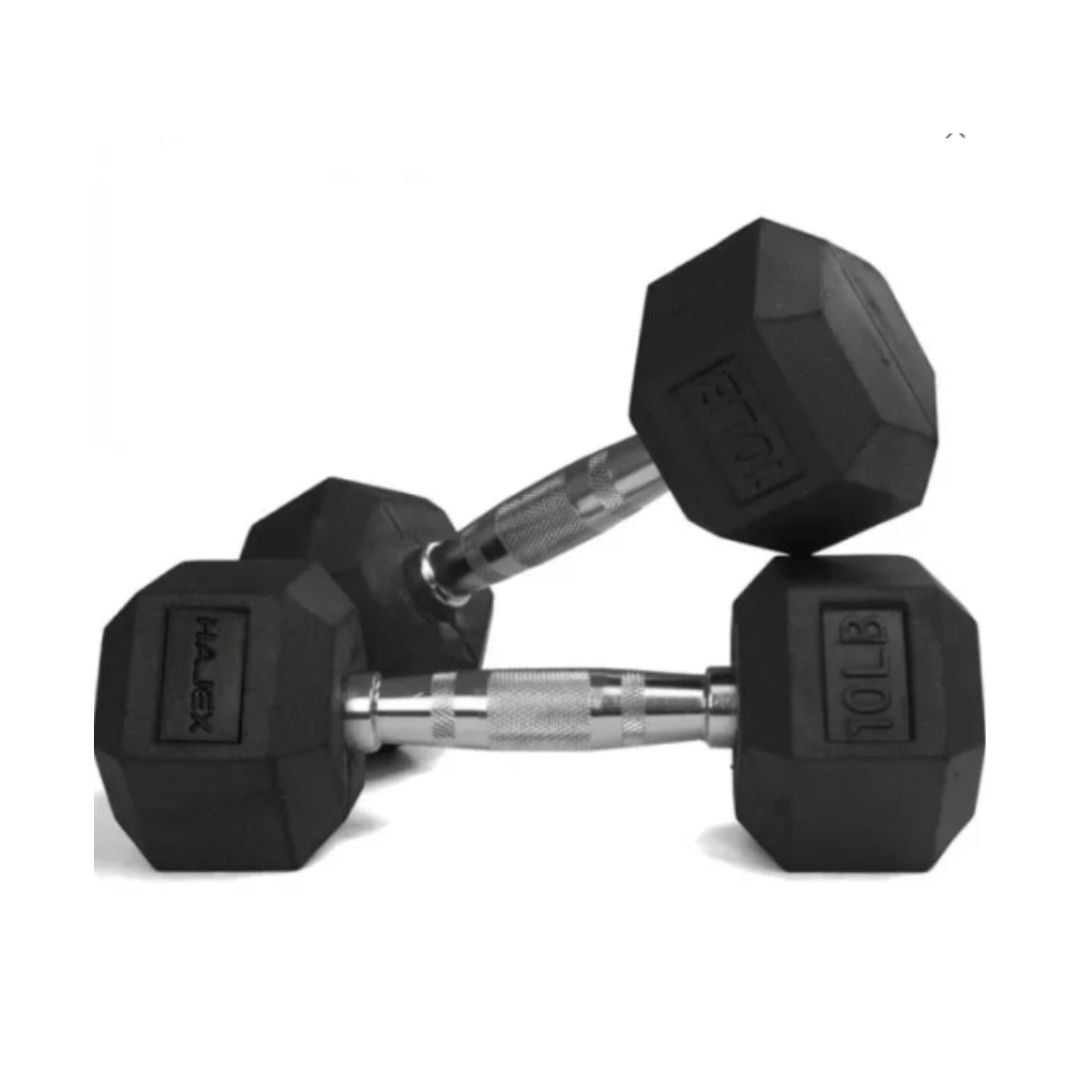 Rubber Hex Dumbbells
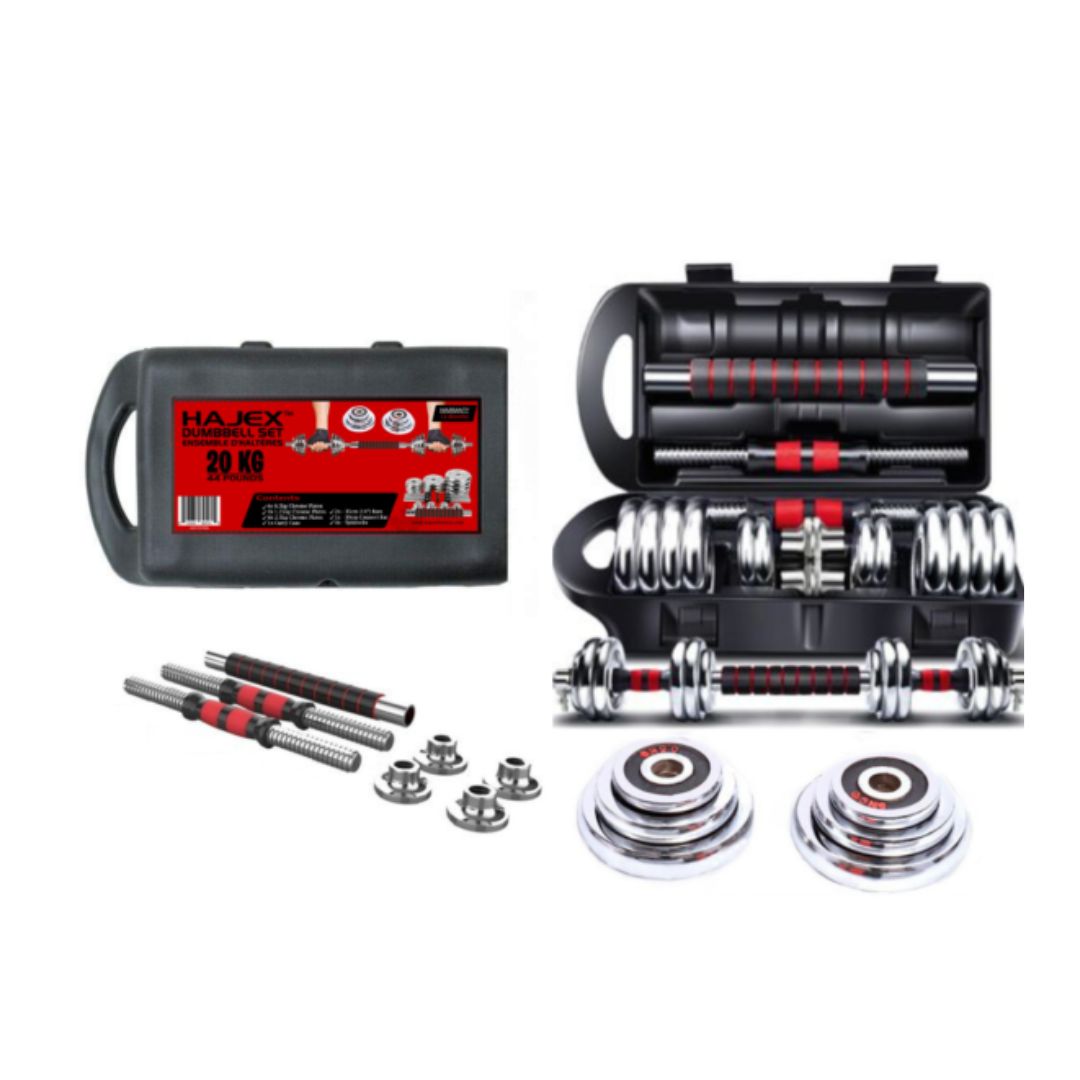 Cast Iron Adjustable Dumbbells
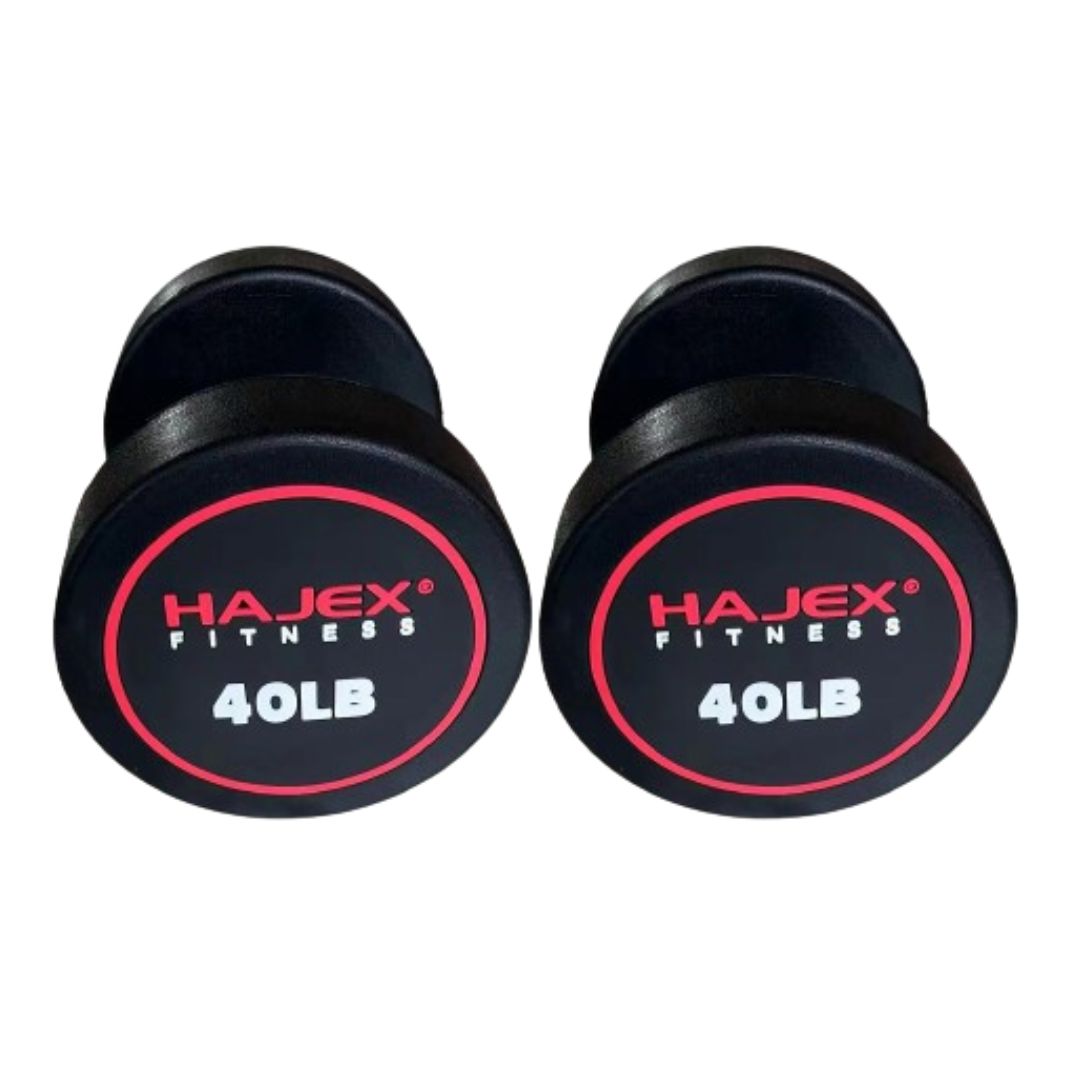 Round Head Dumbbells
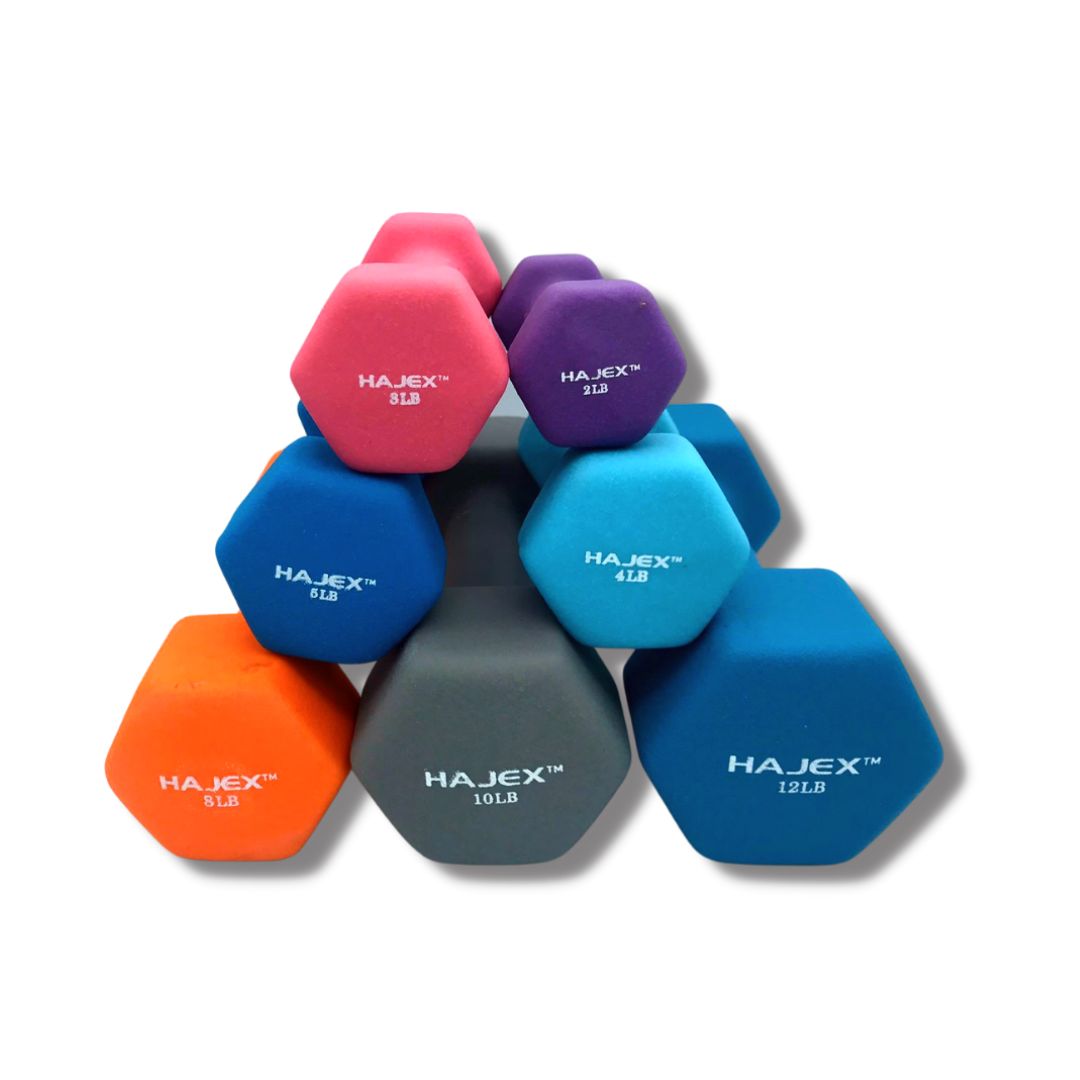 Neoprene Dumbbells
 BENCHES
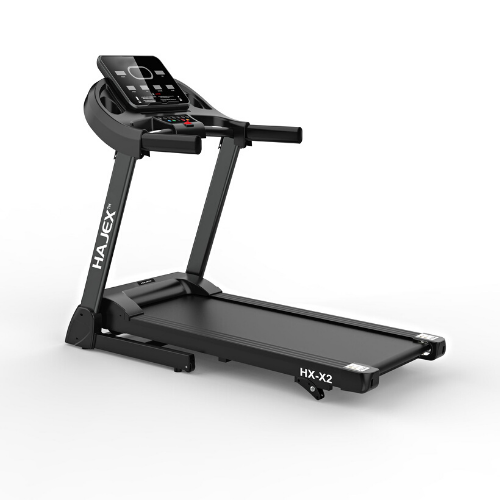 CARDIO
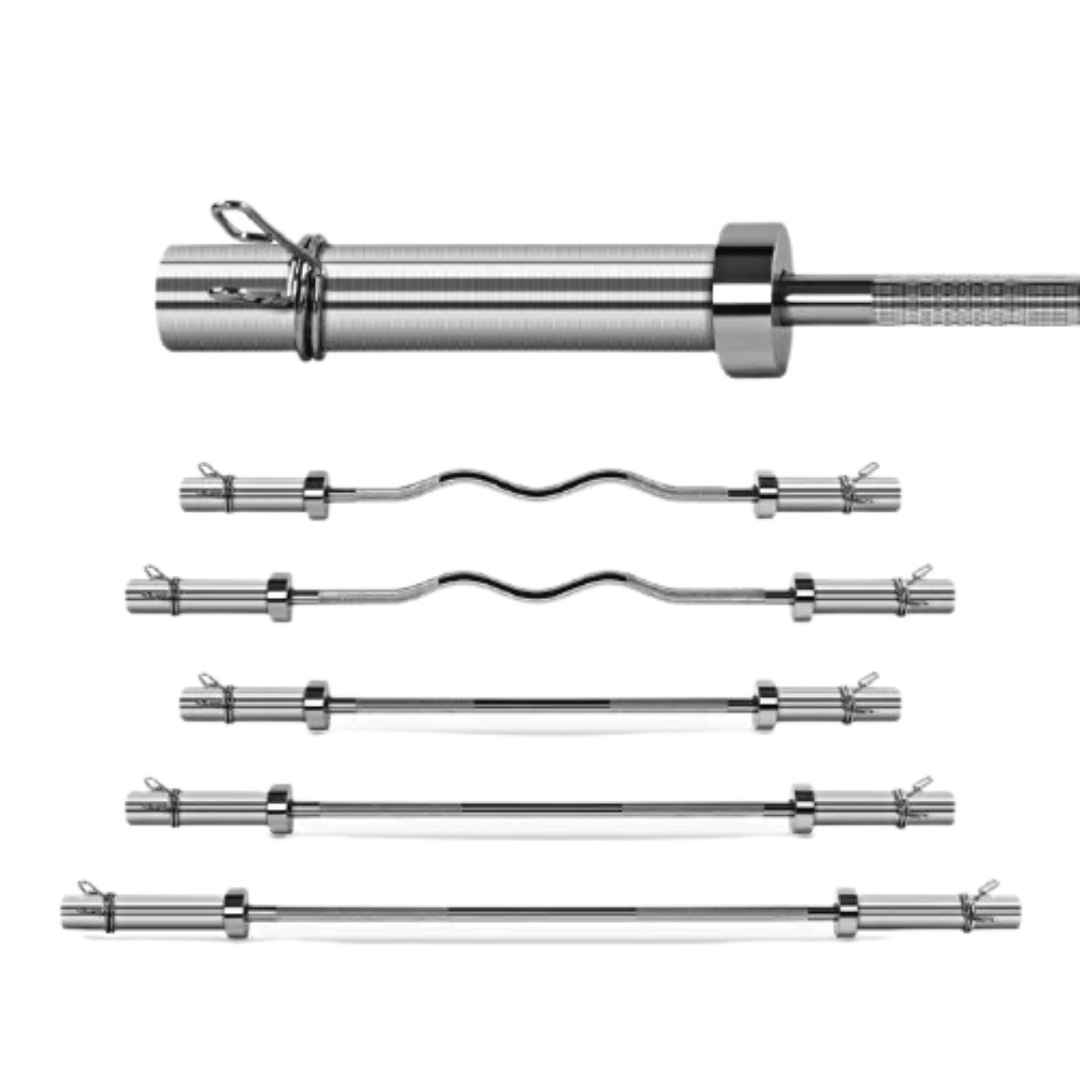 BARBELL BARS
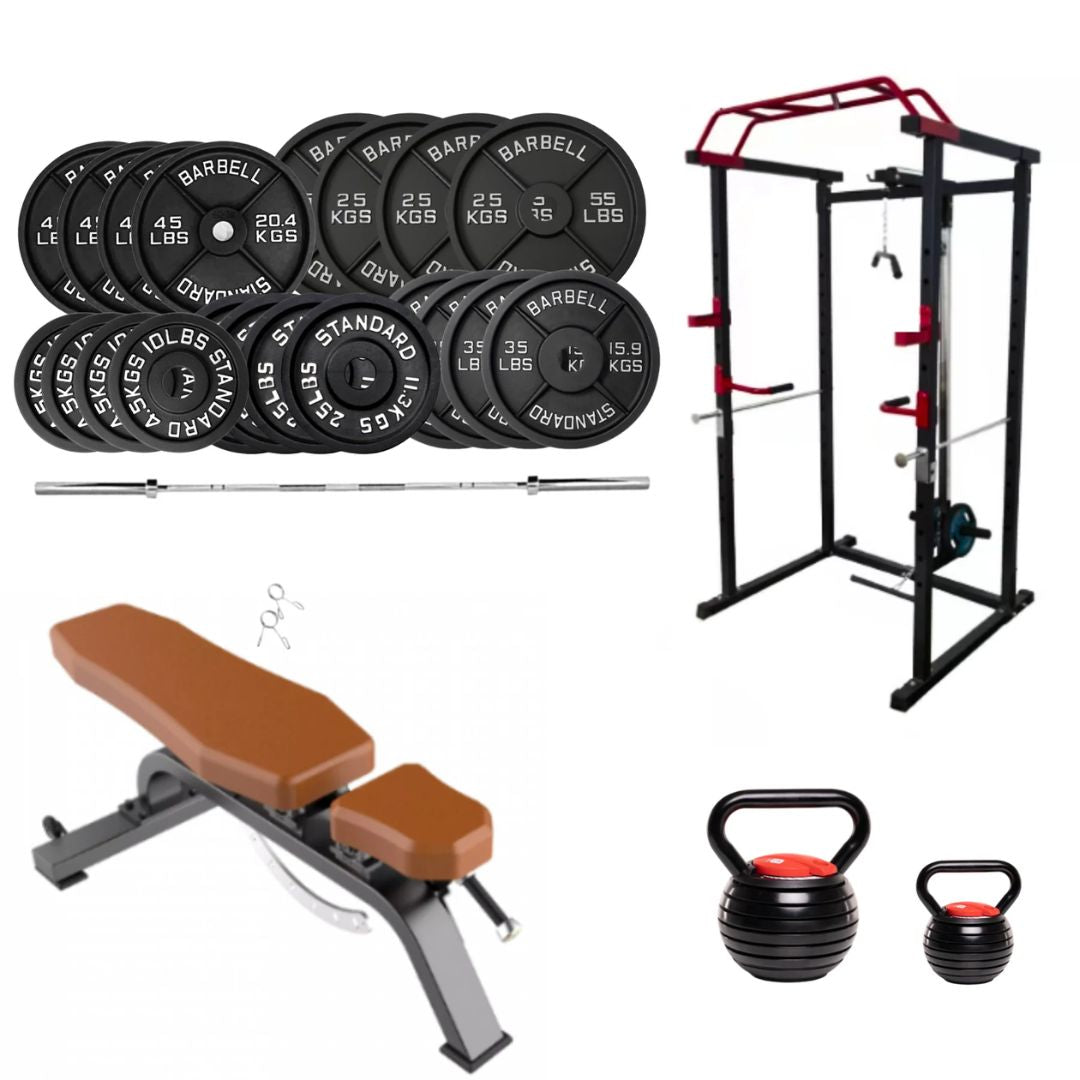 Home Gym Deals
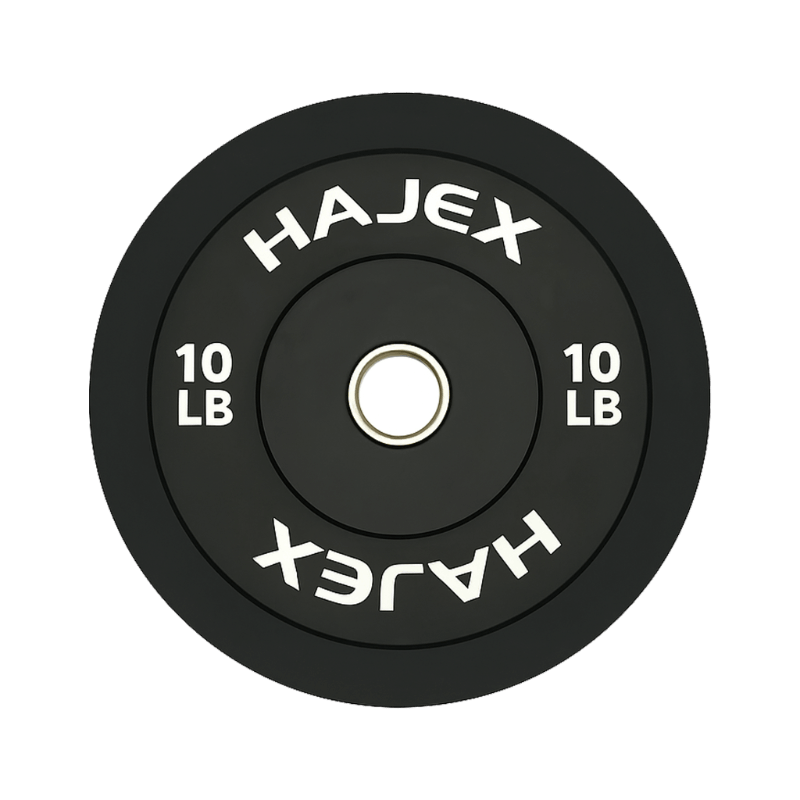 Olympic Bumper Plates
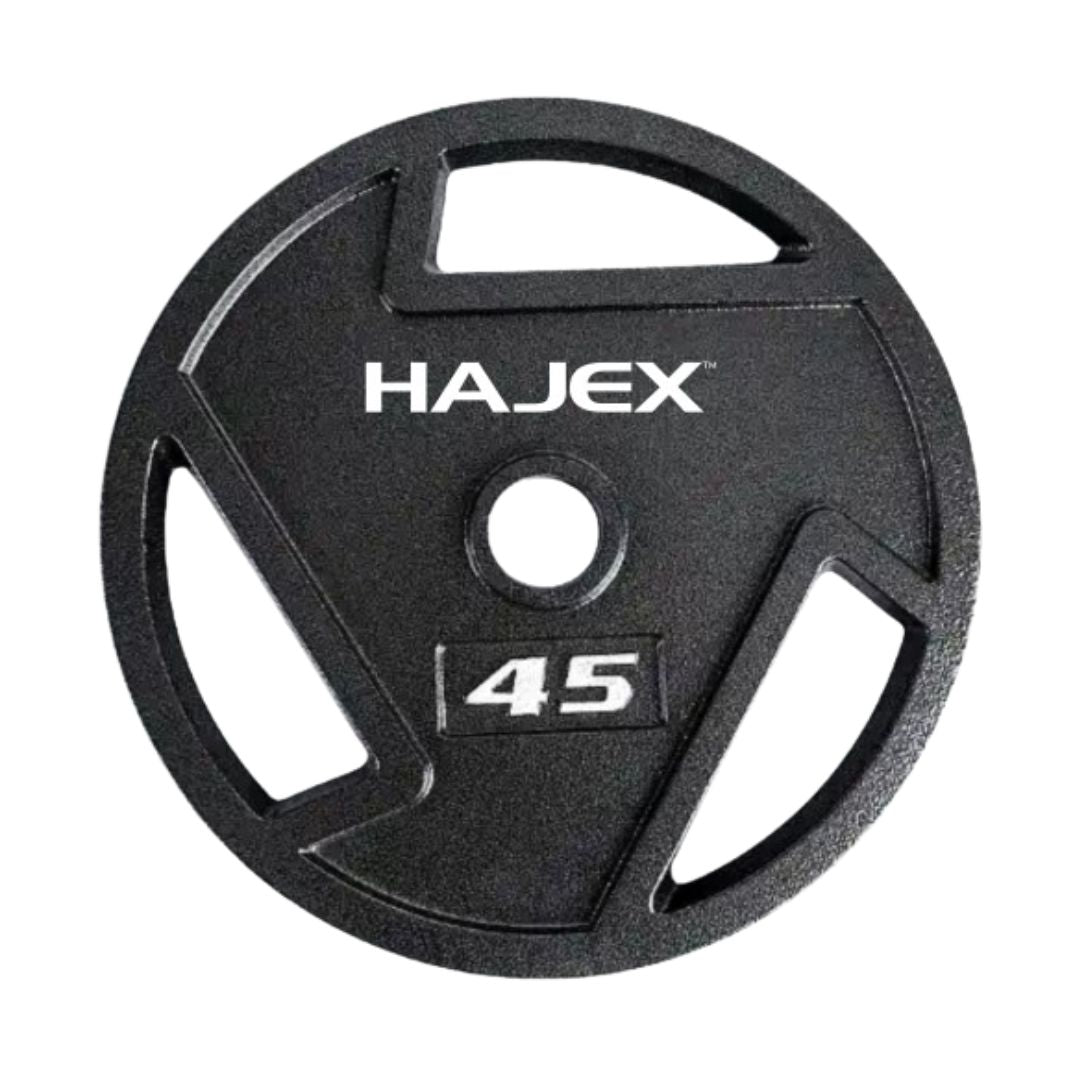 Tri Grip Plates
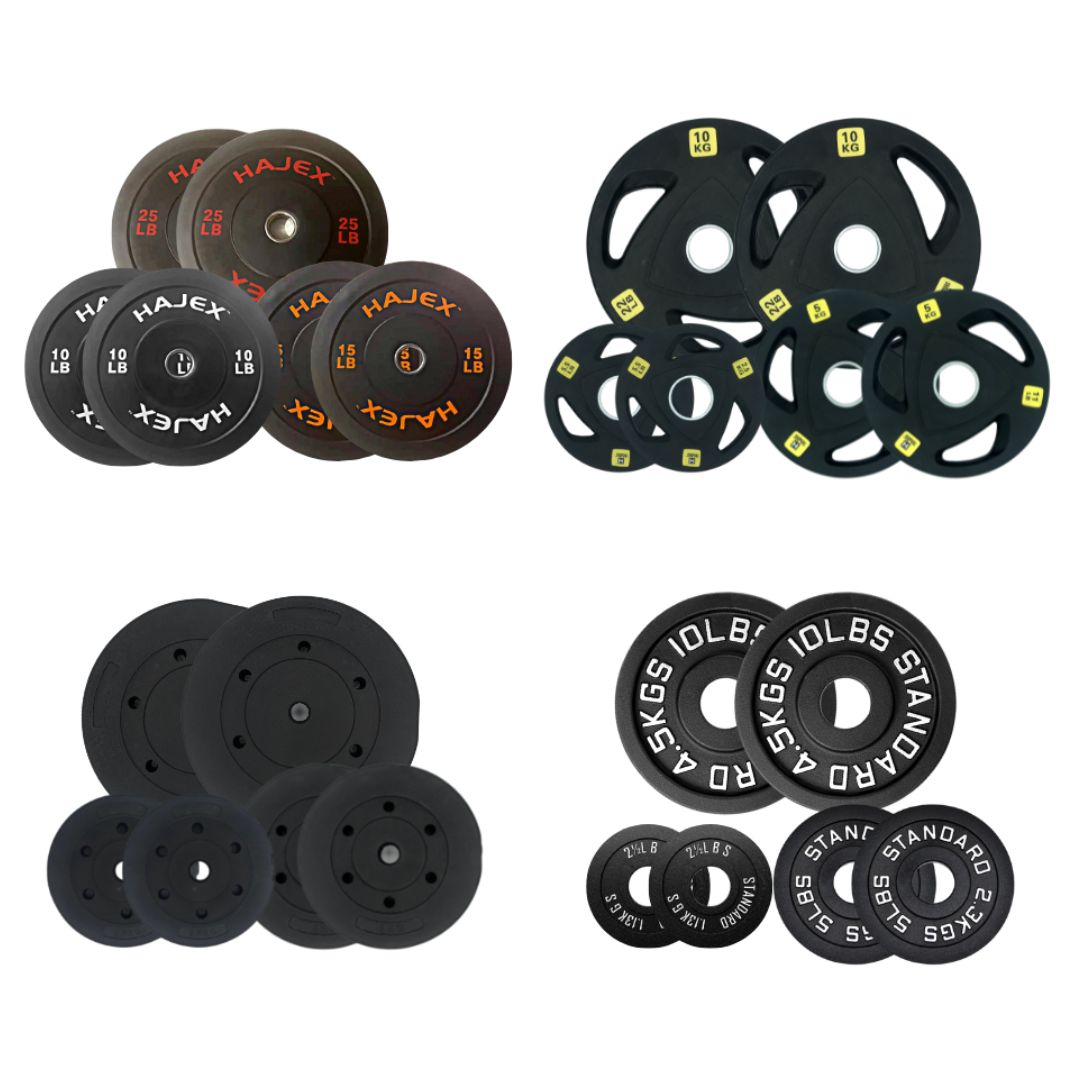 Weight Plates Combo
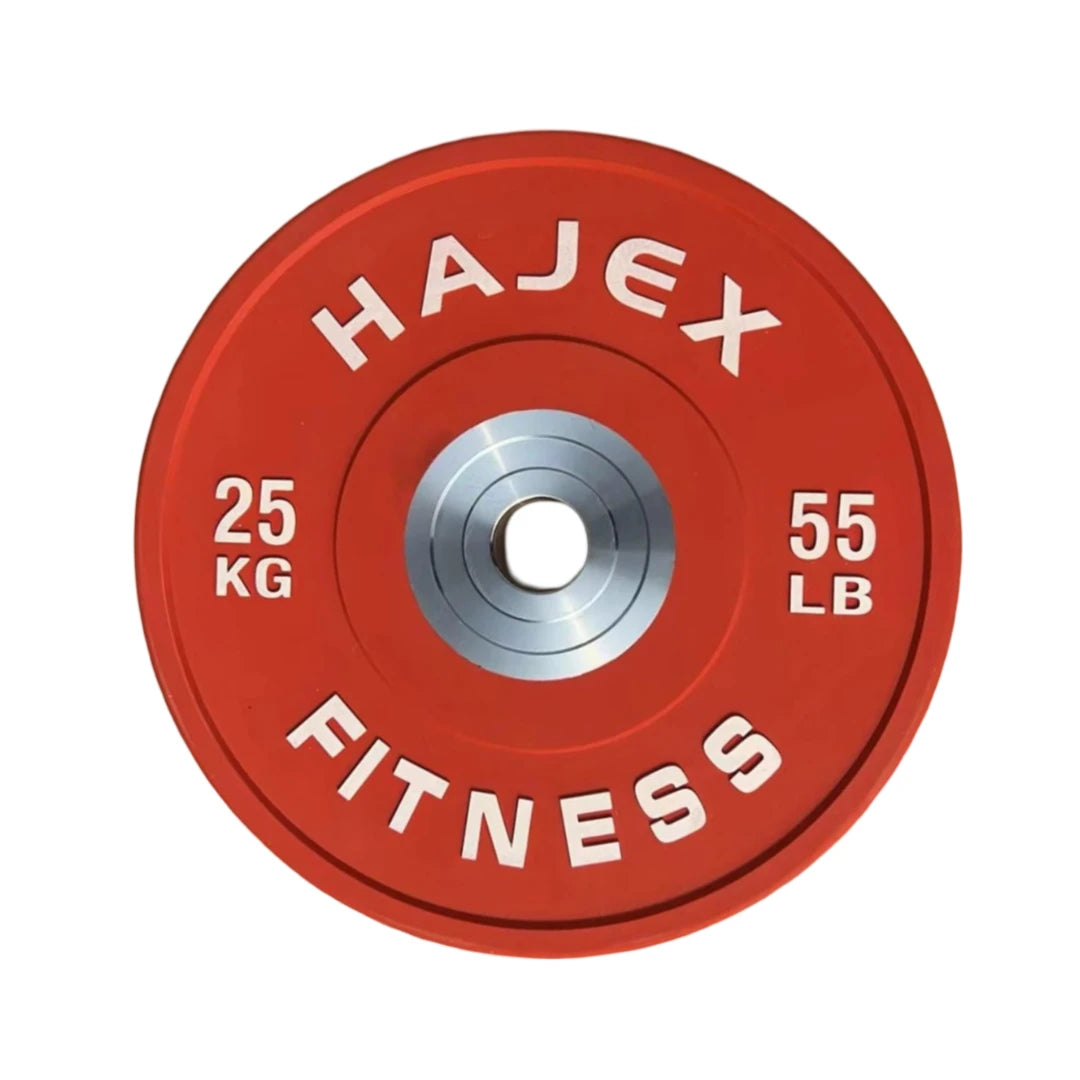 Olympic Steel Hub Bumper Plates
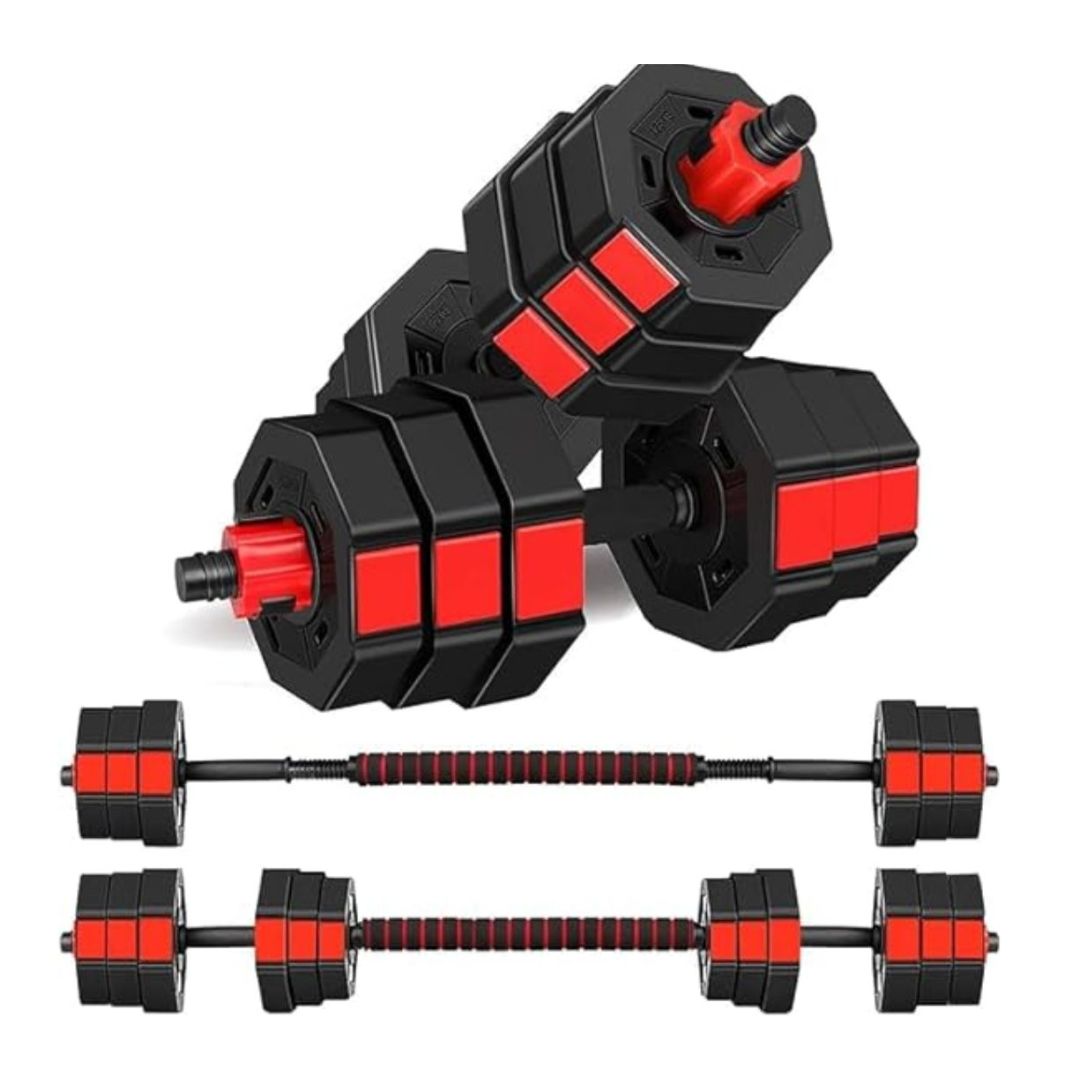 PVC Dumbbells
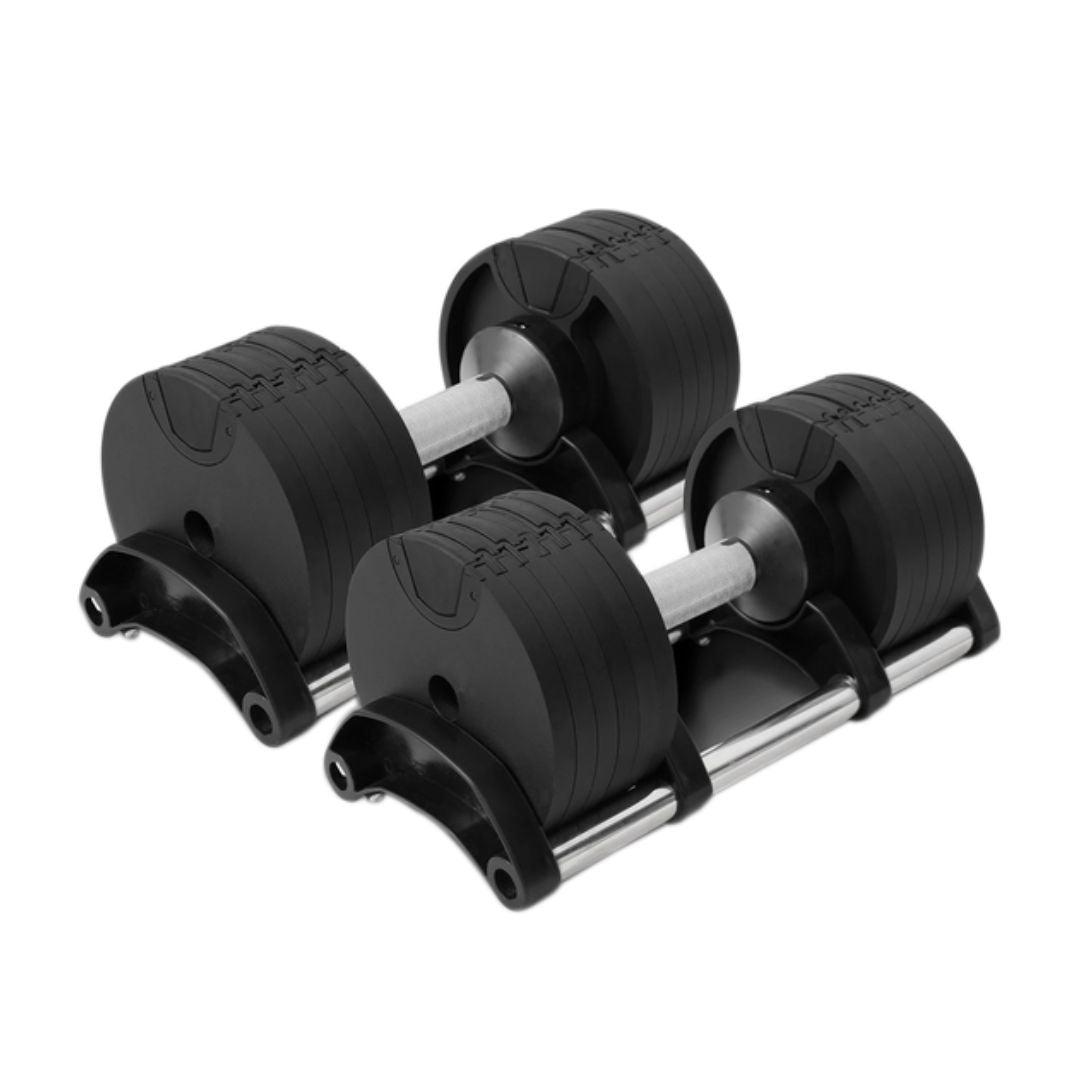 NUO Style Adjustable Dumbbells
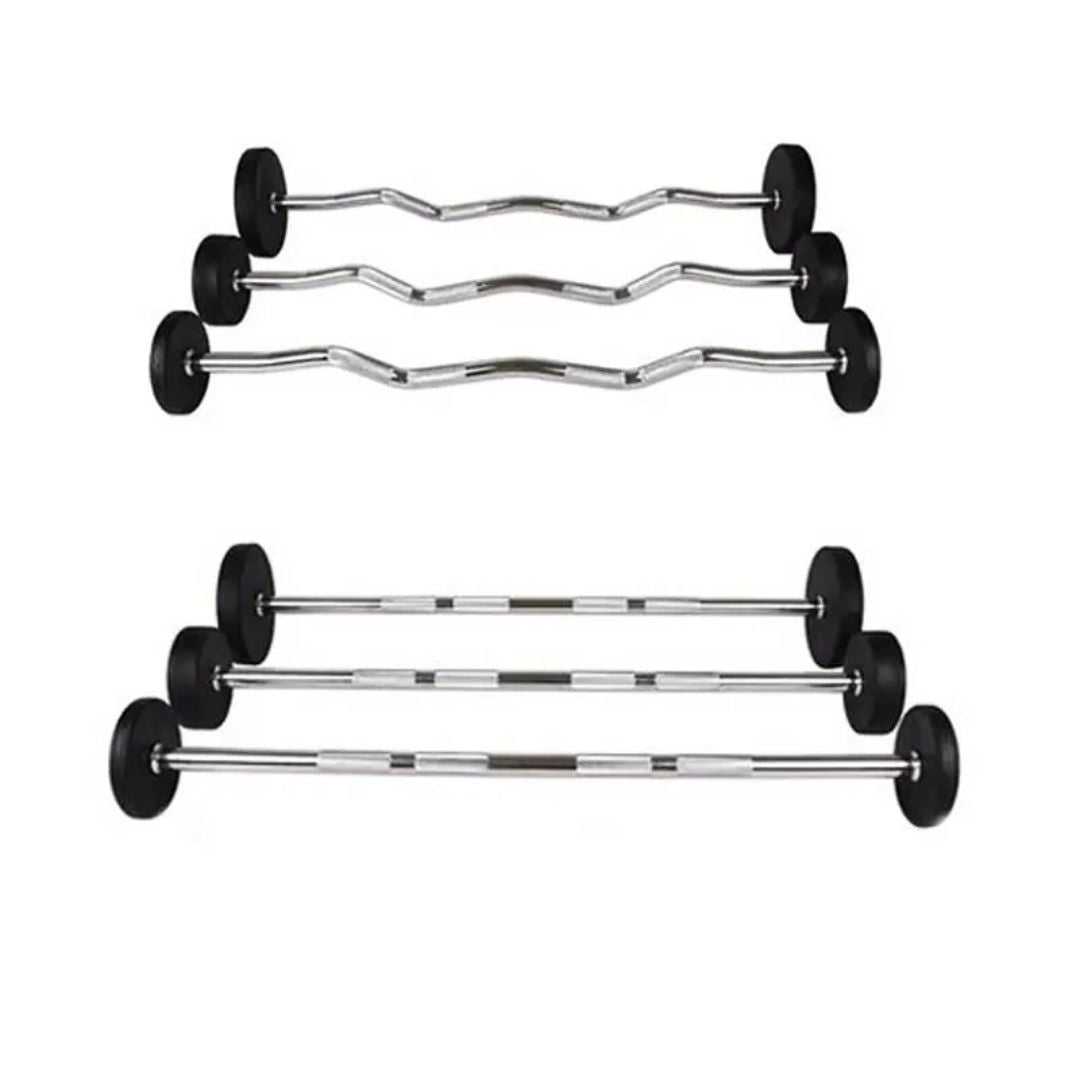 Fixed Weight Bars
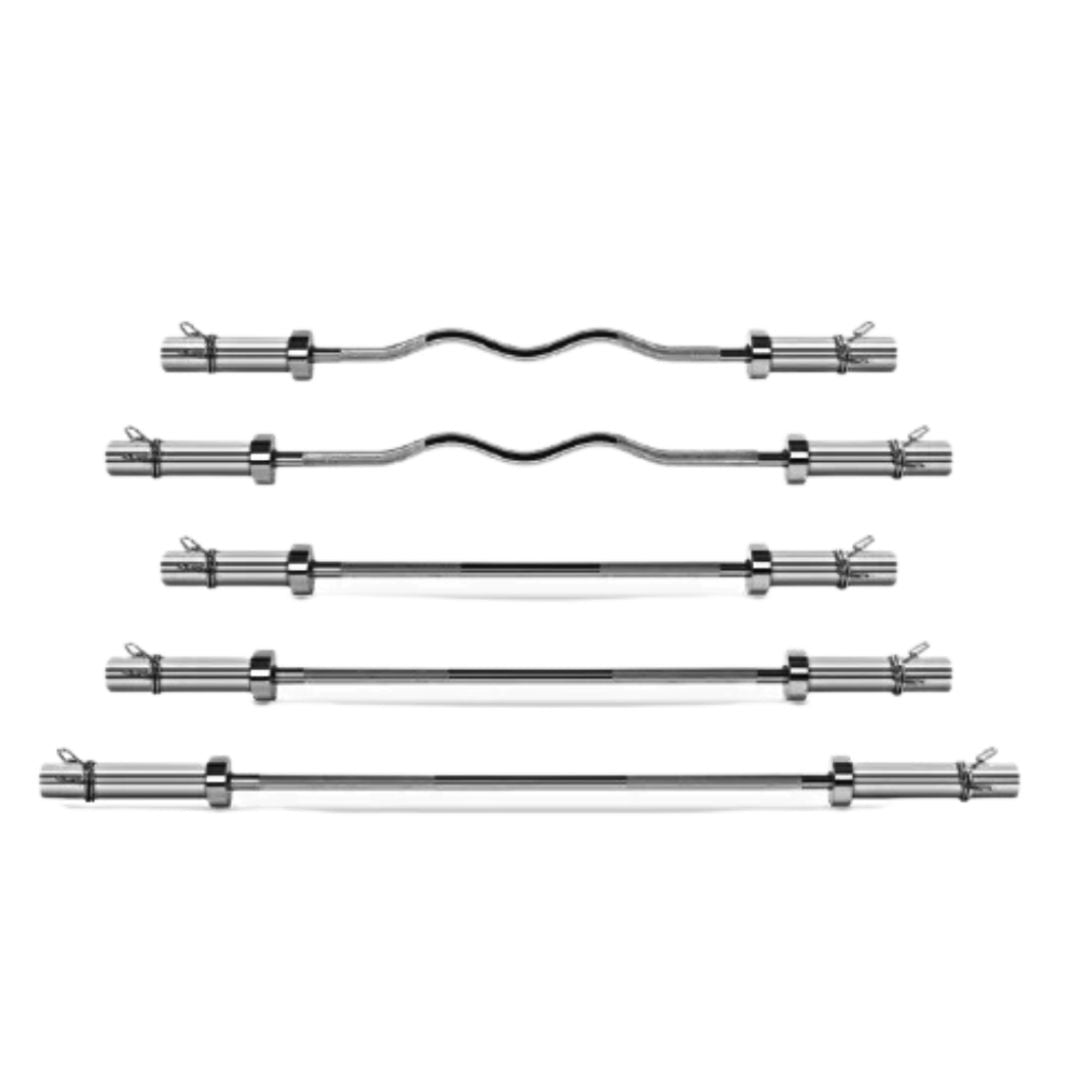 Olympic 2" & Standard 1" Bars
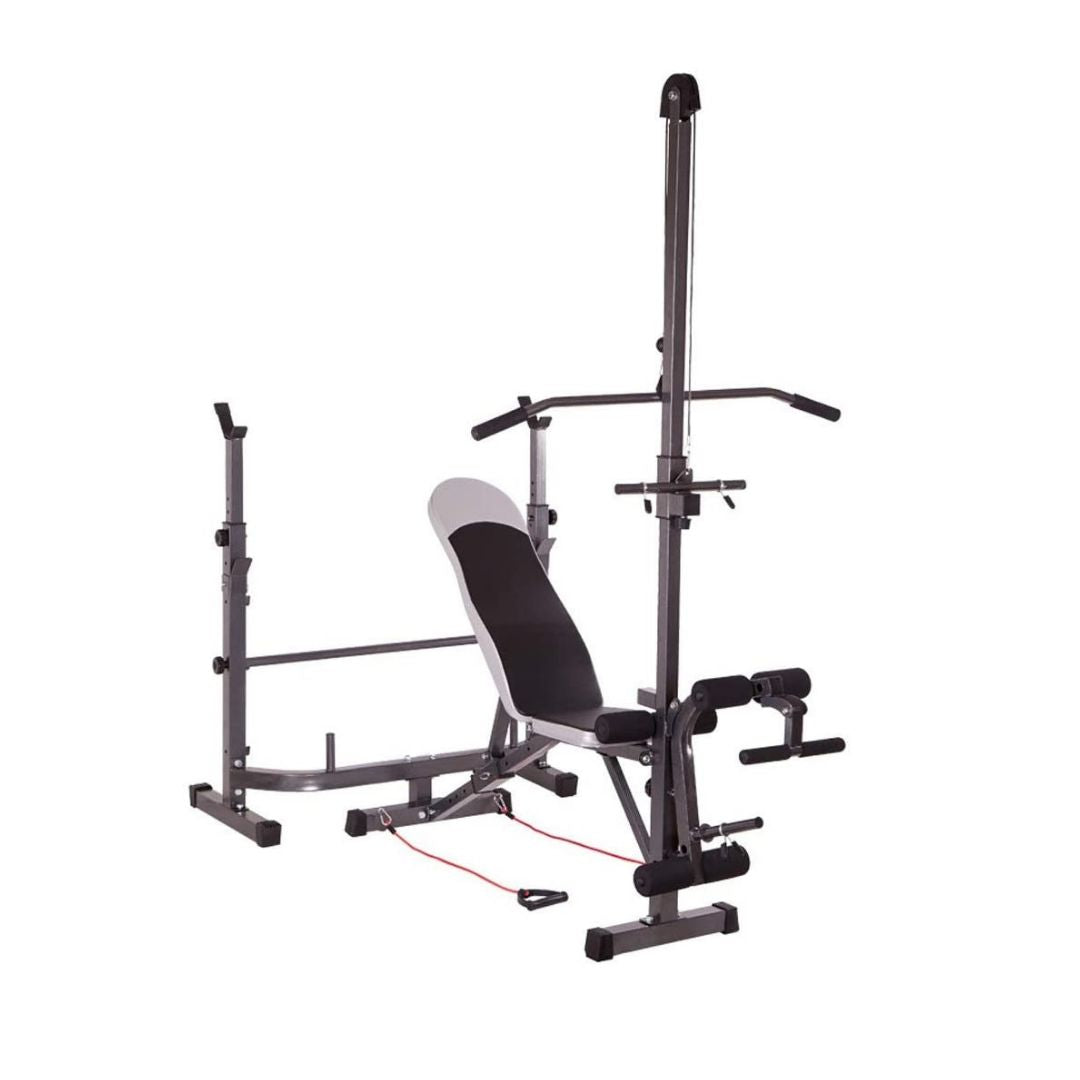 Benches with Pulley & Rack
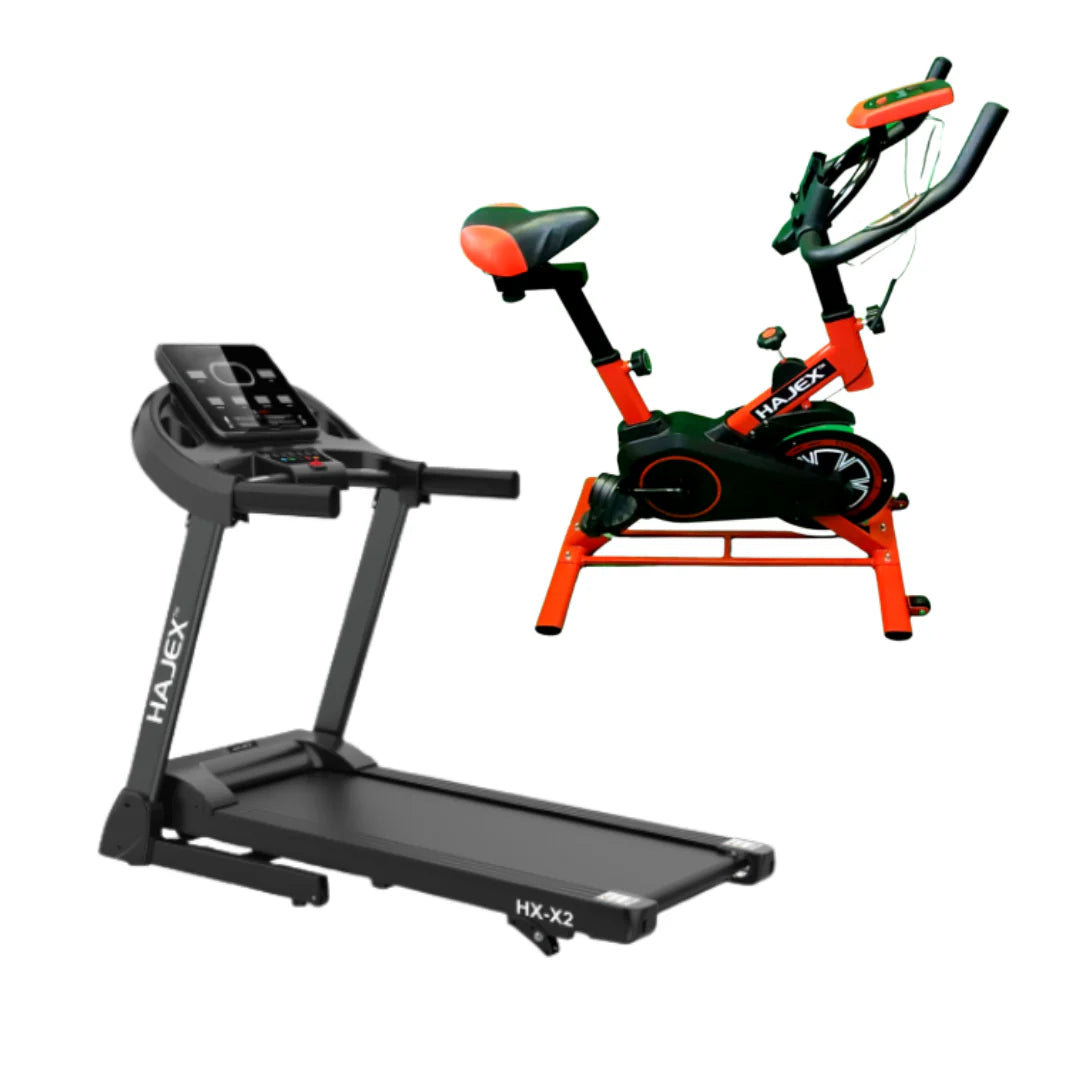 CARDIO
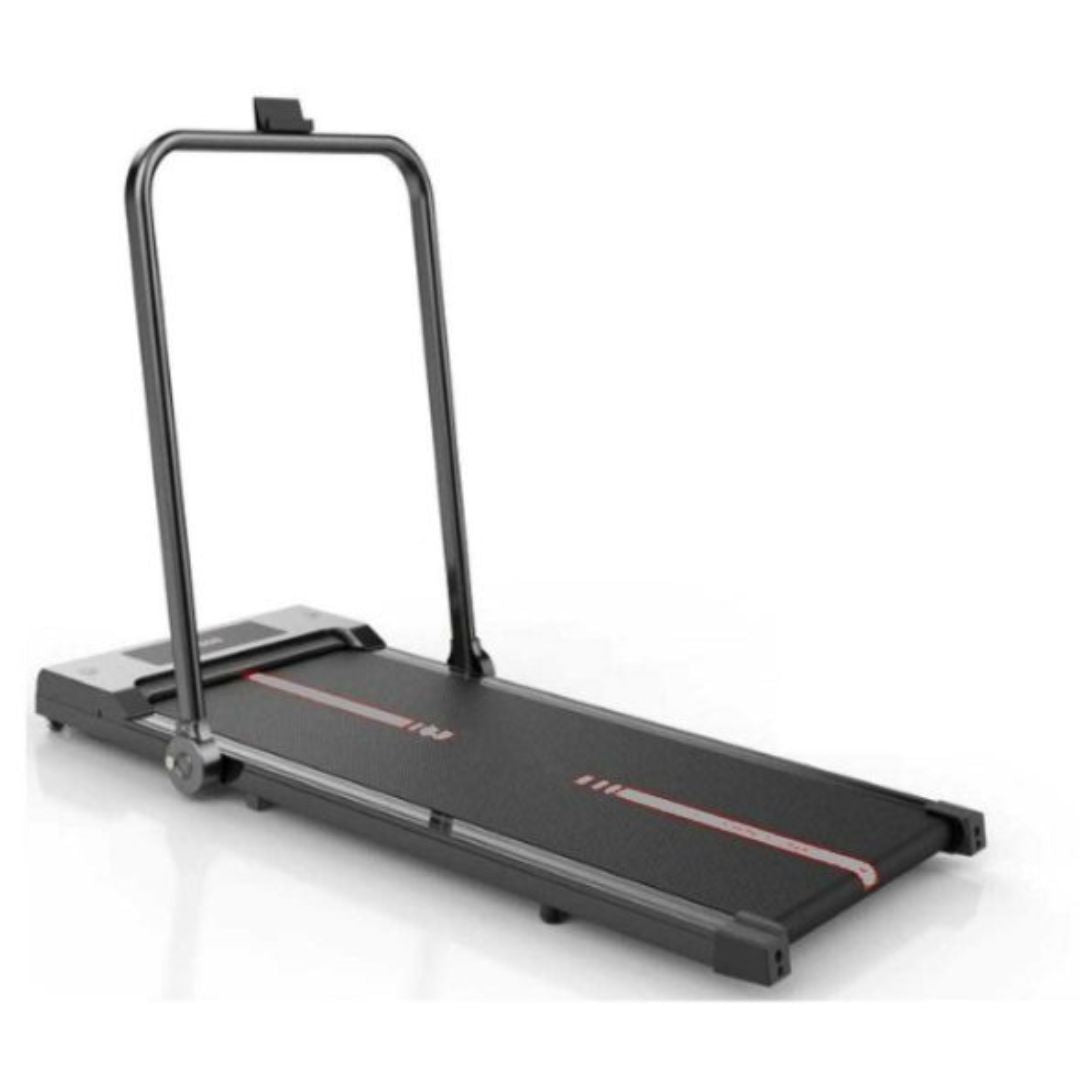 Foldable Walking Pads
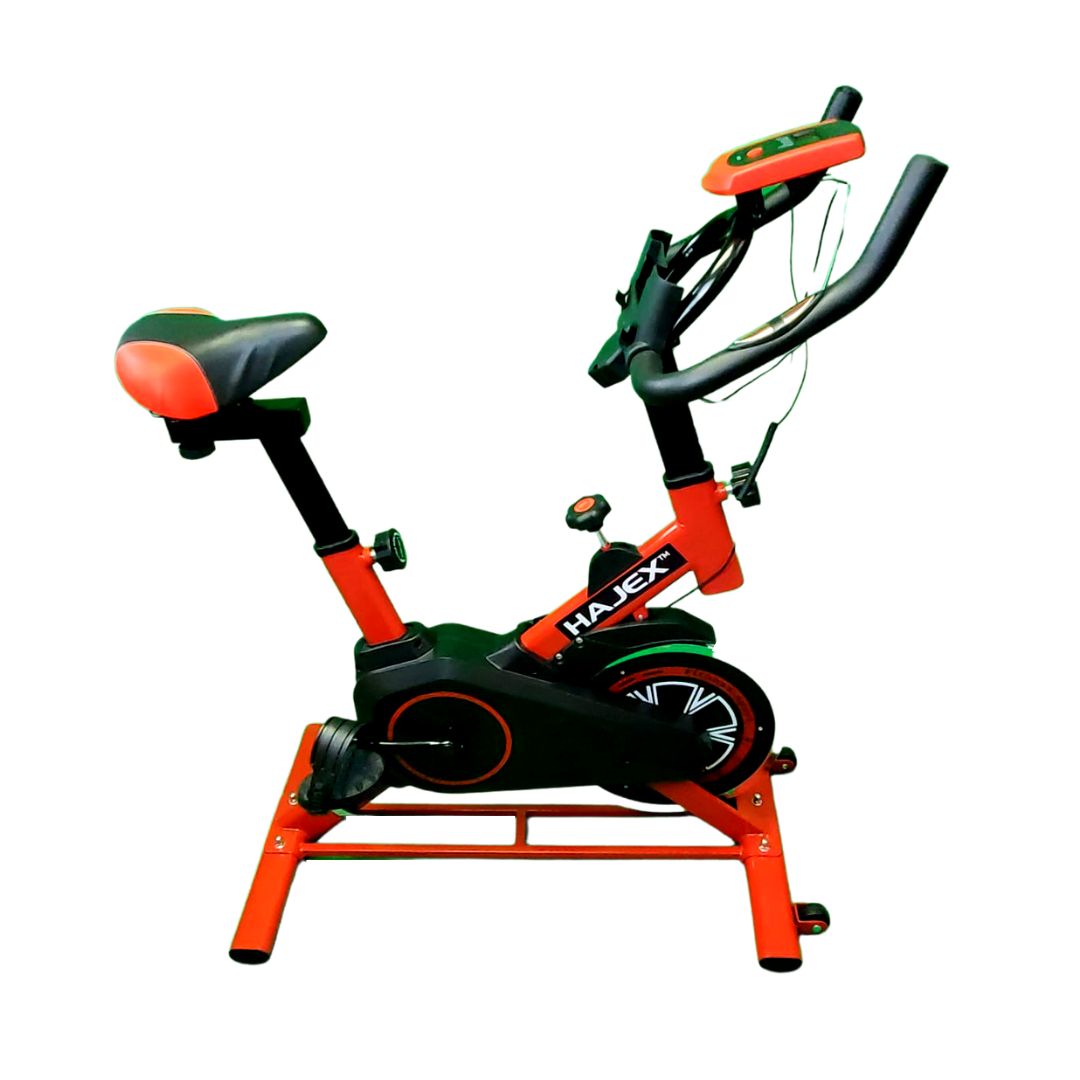 Exercise Bikes
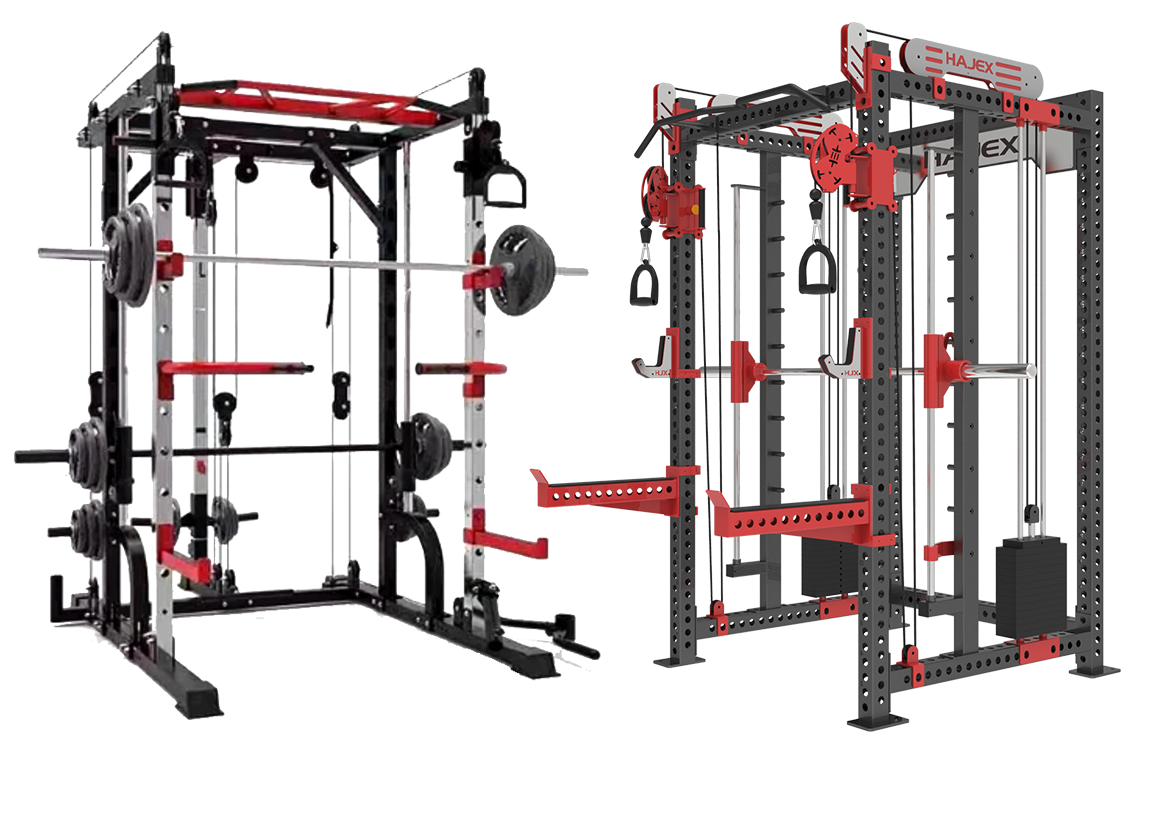 RACKS, CAGES & SMITHS
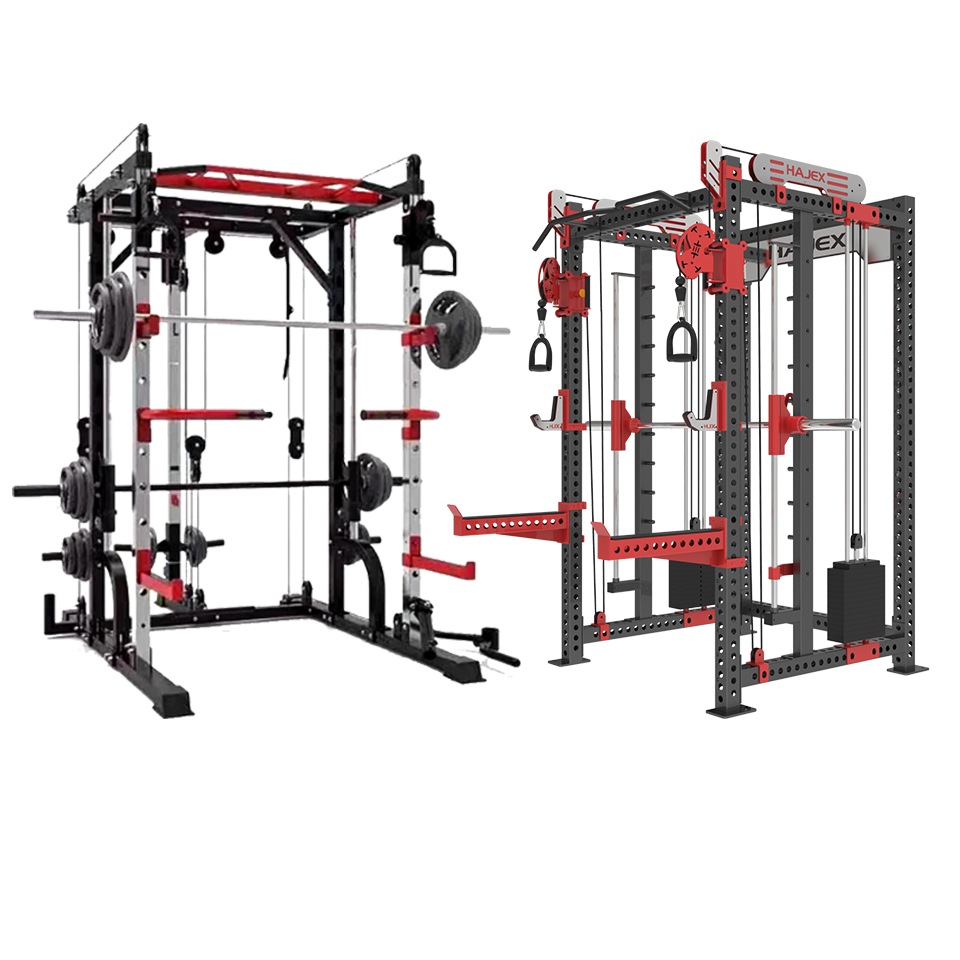 Smith Machines
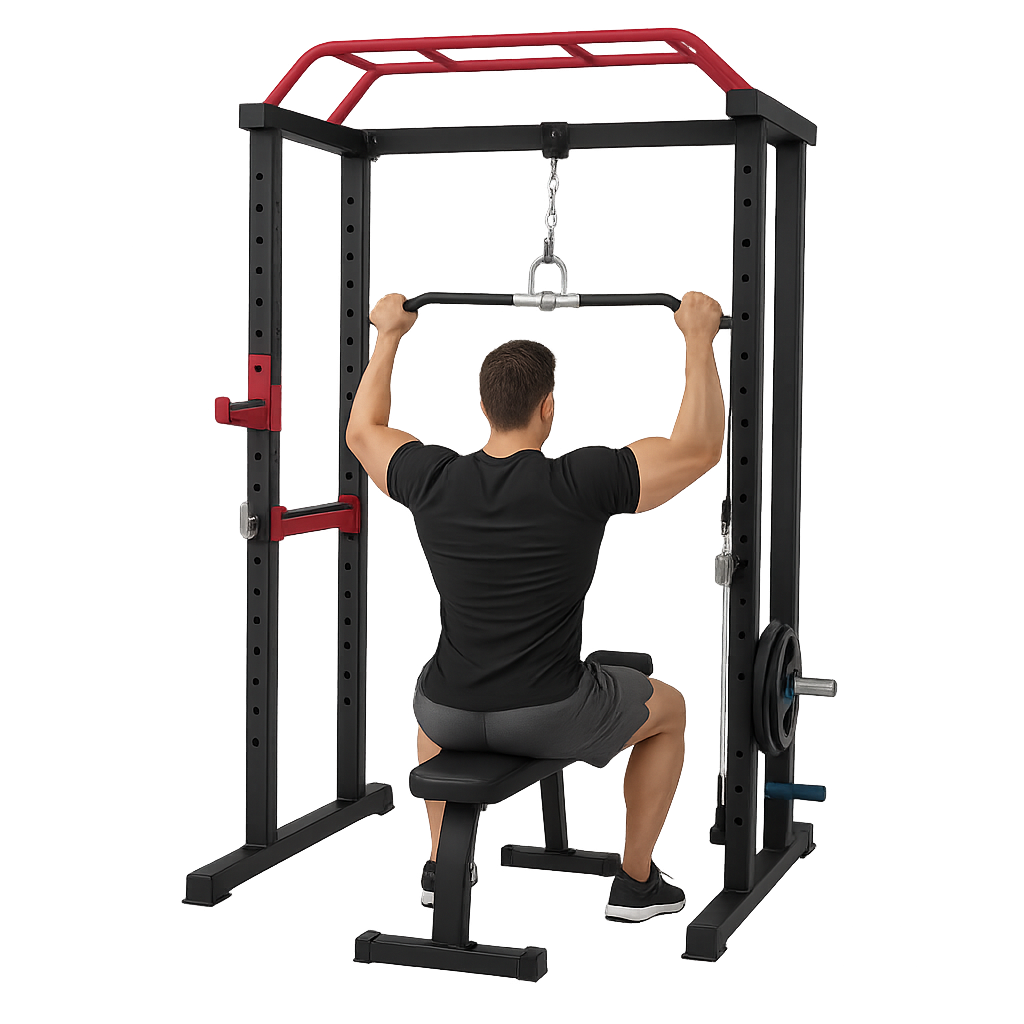 Power Racks
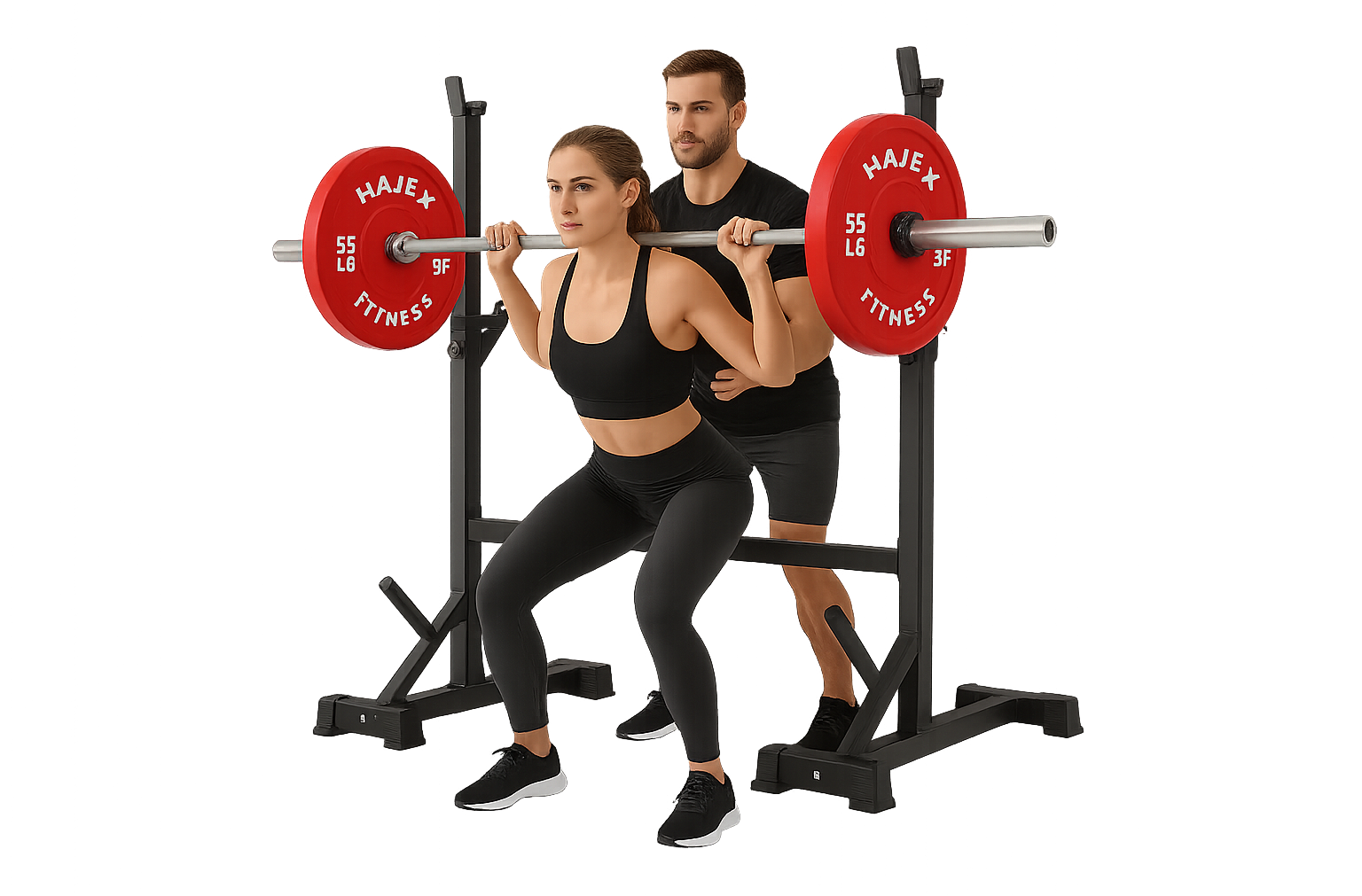 Squat Racks
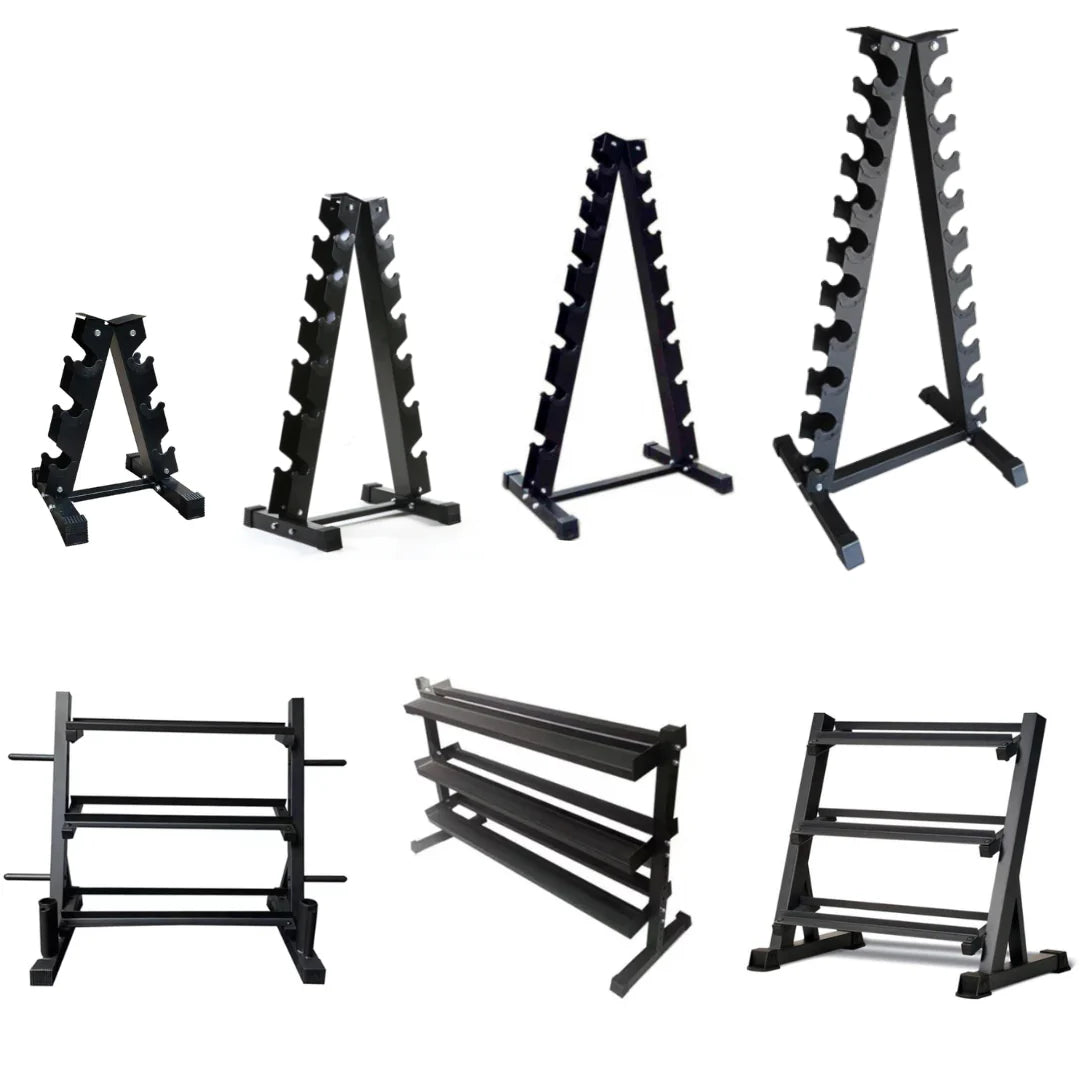 STORAGE RACKS
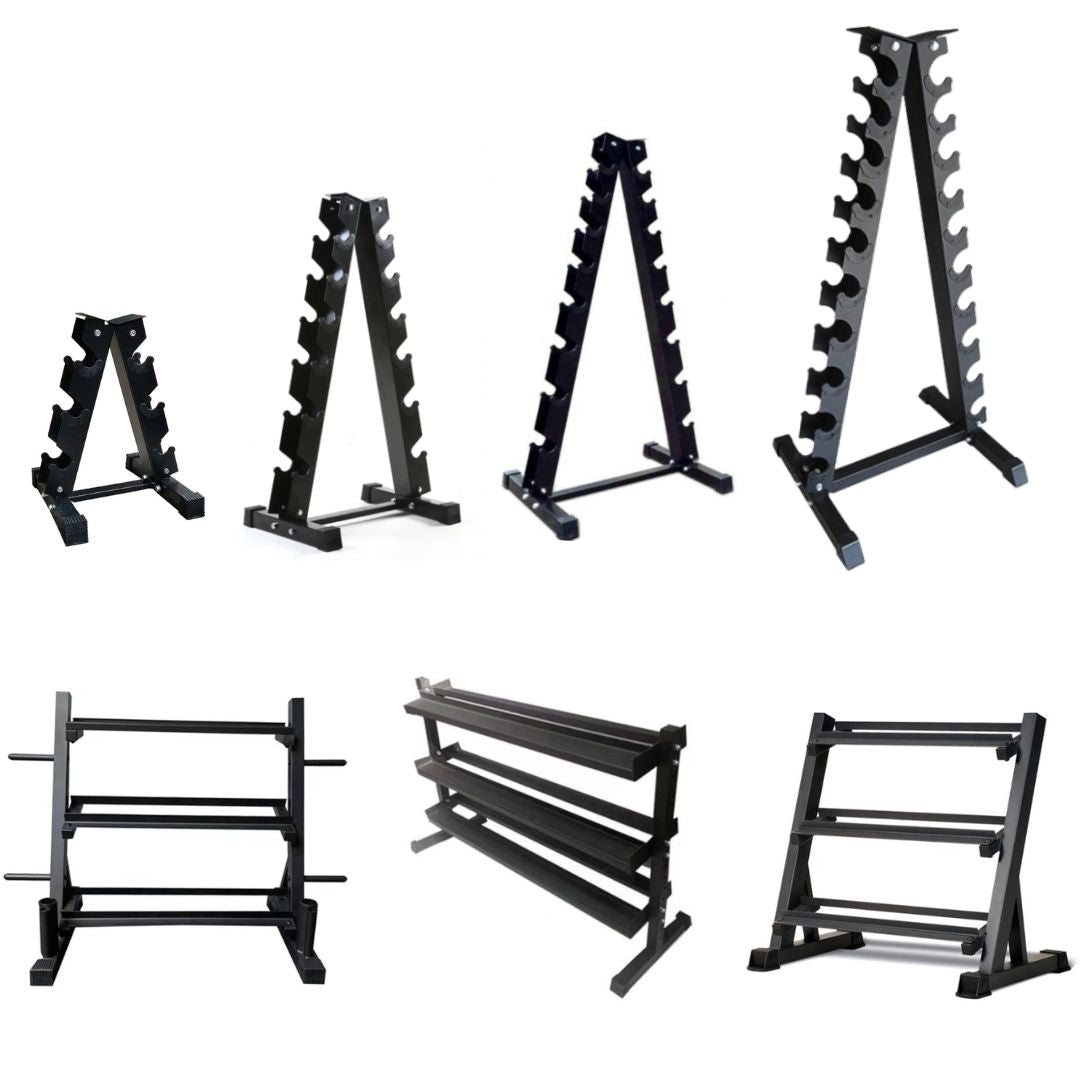 Dumbbell & Kettlebell Racks
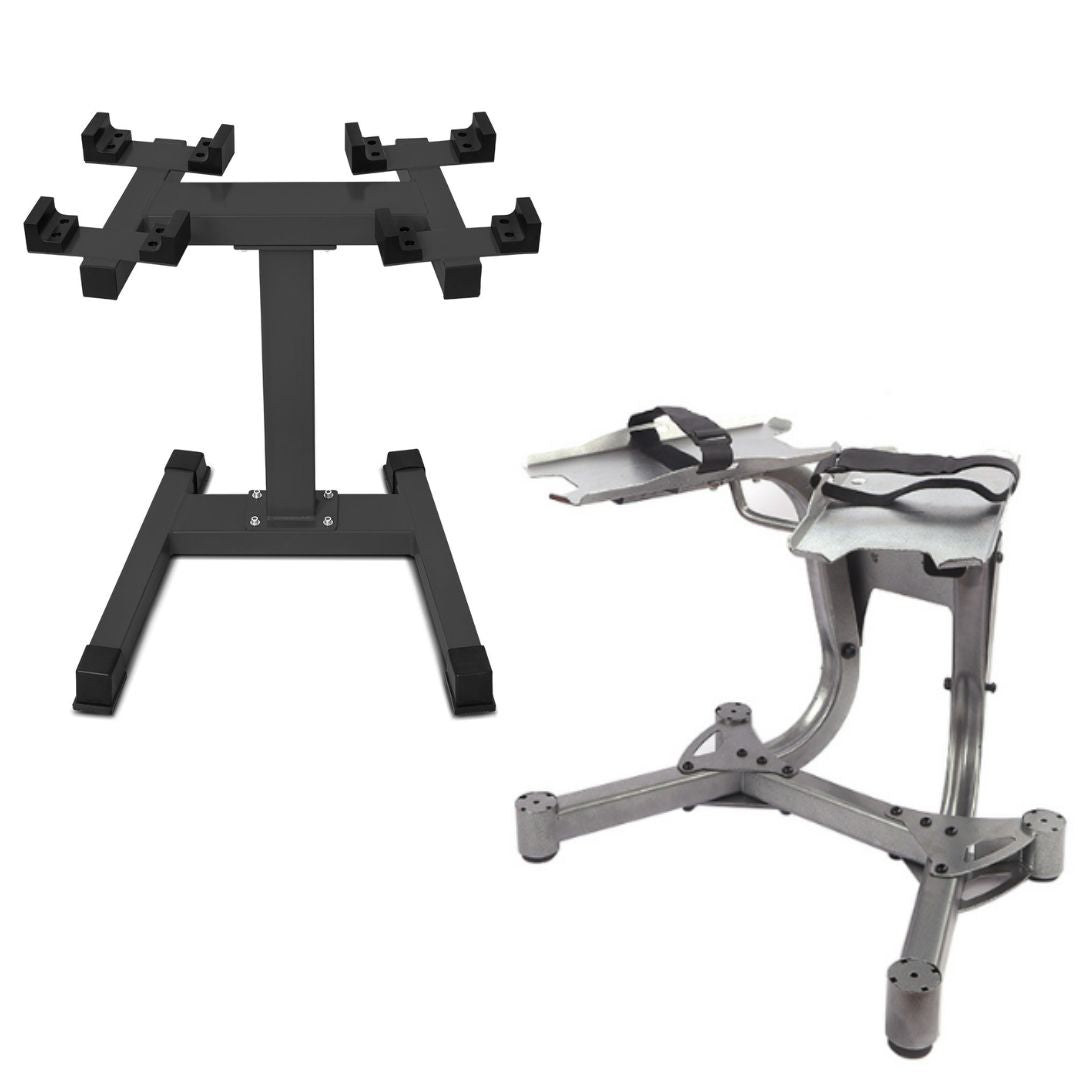 Adjustable Dumbbell Stands
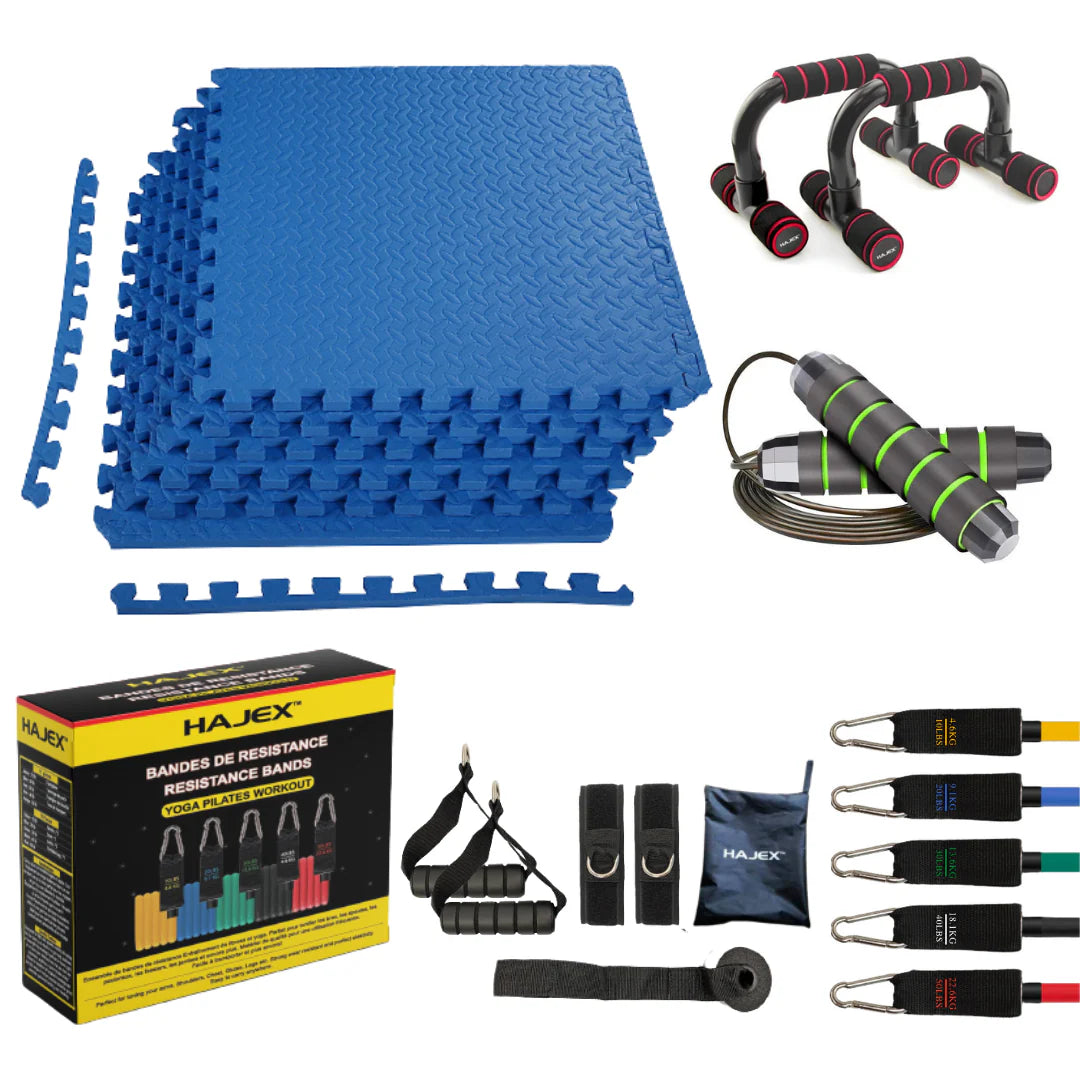 MORE
MORE
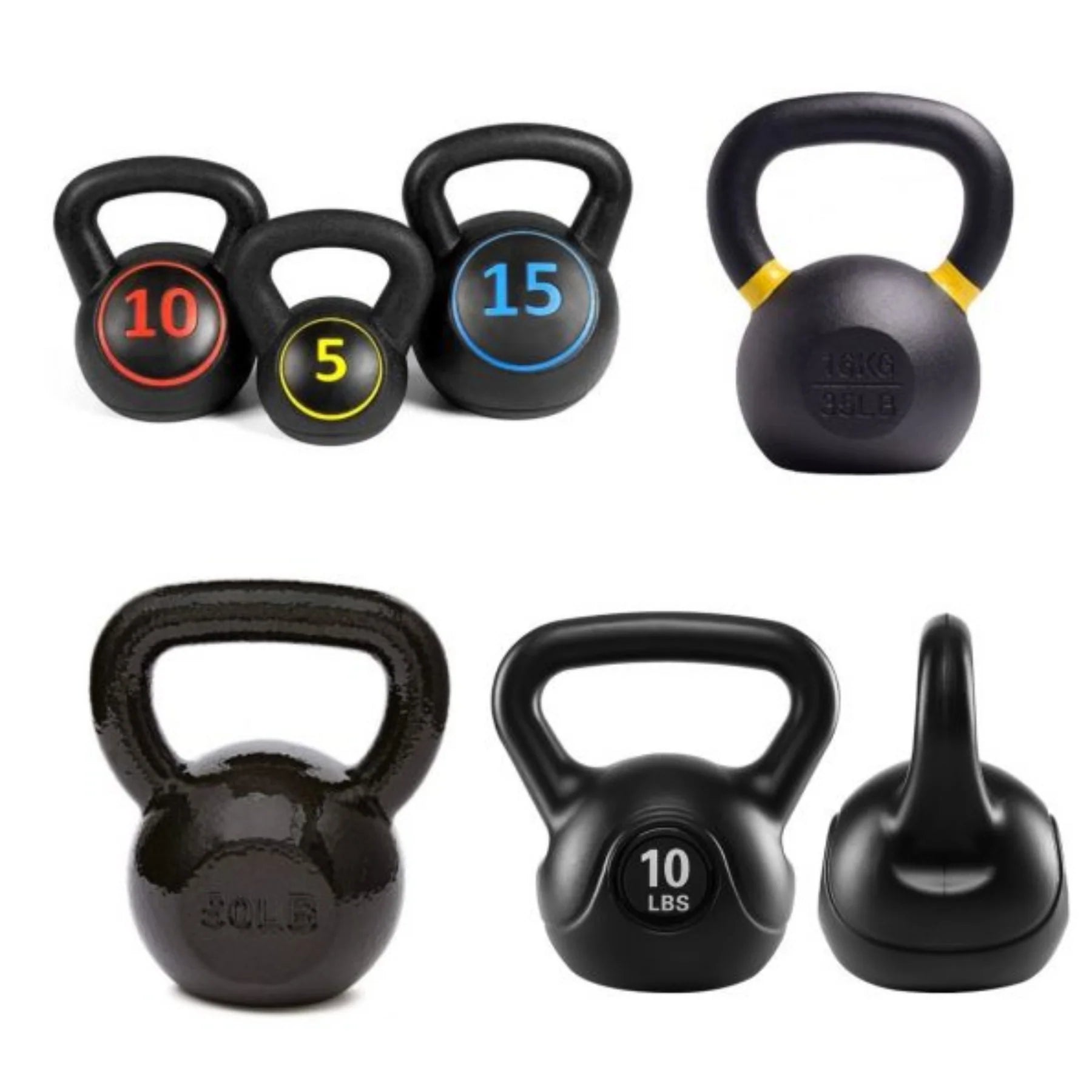 Kettlebells
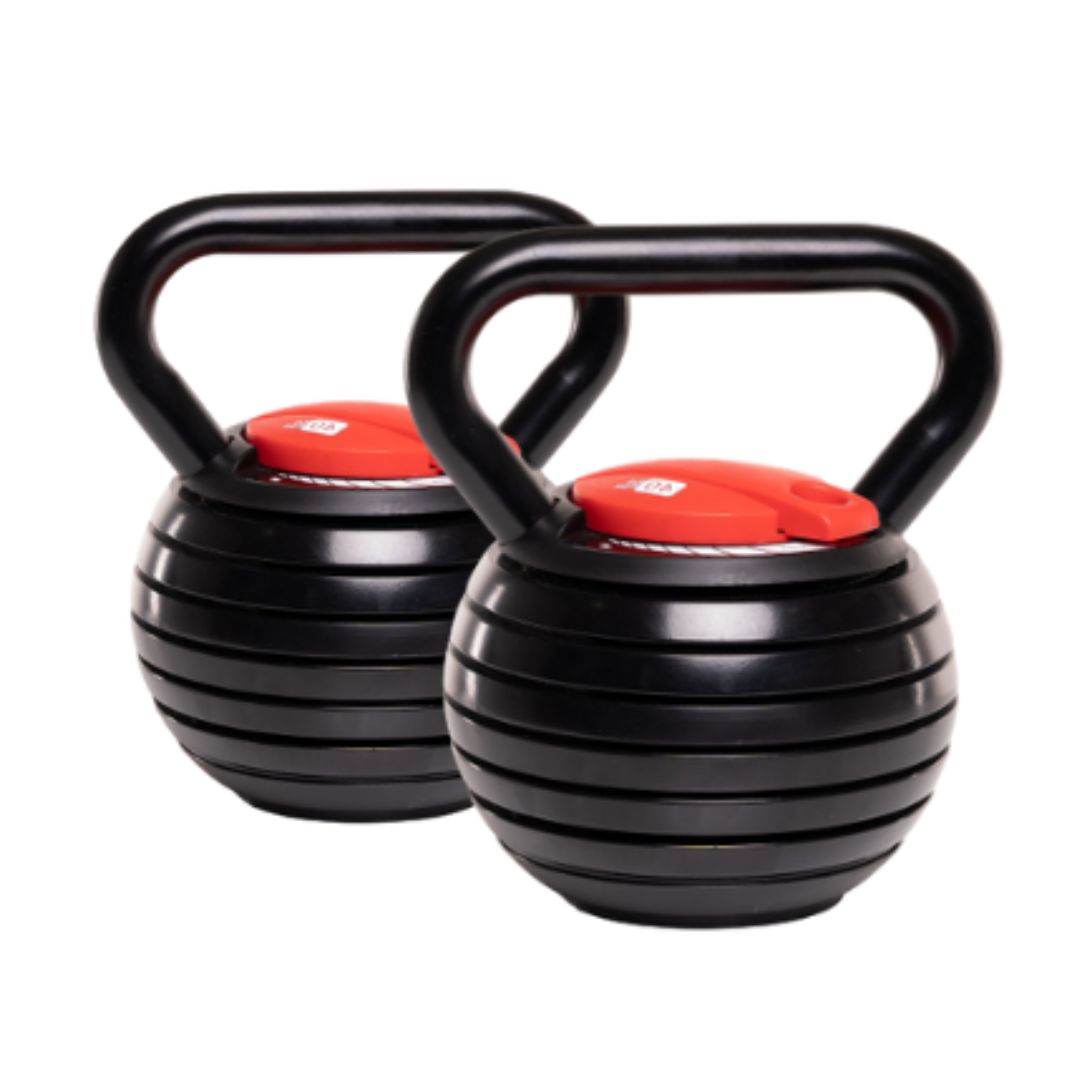 Adjustable Kettlebells - Single & Pair
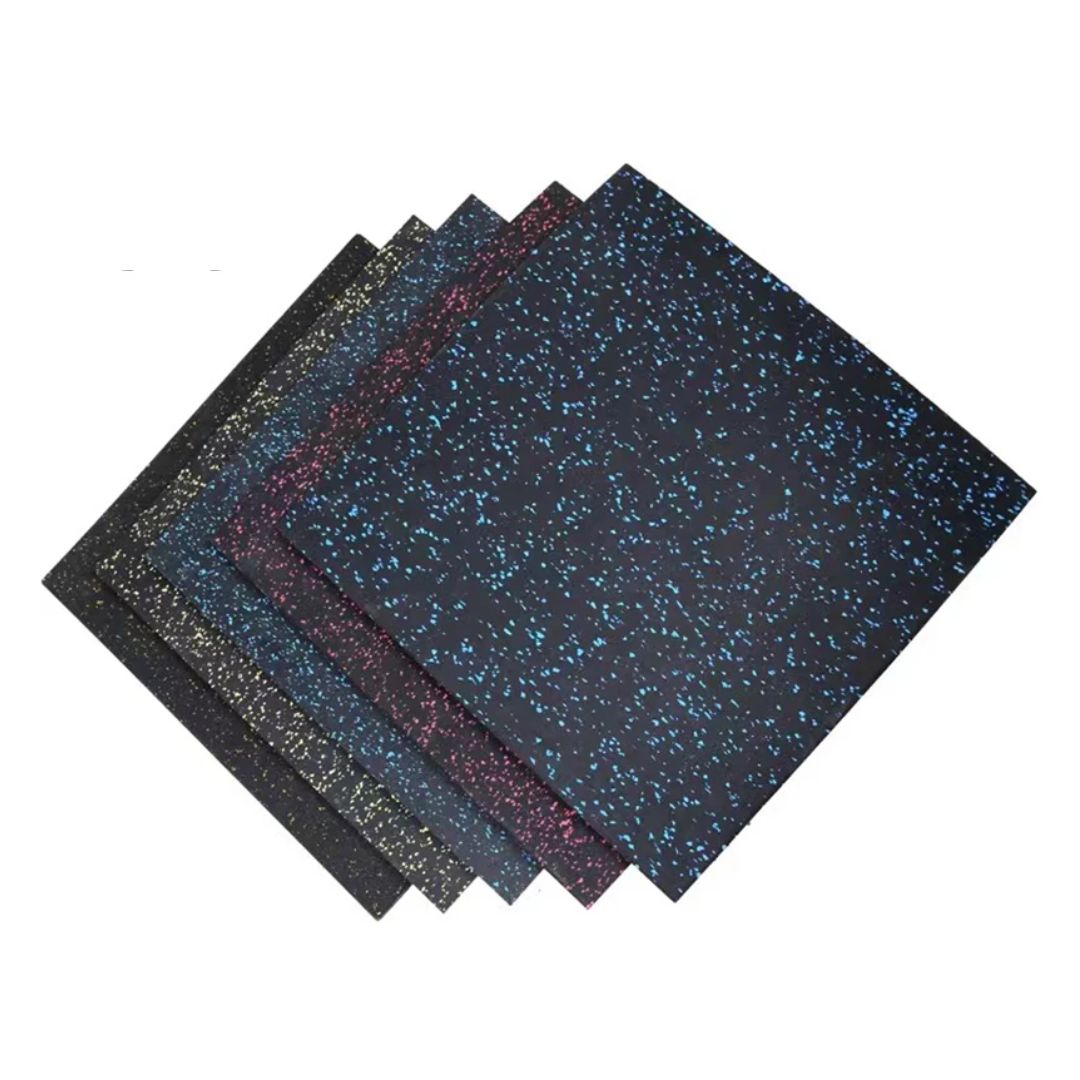 Floor Mats
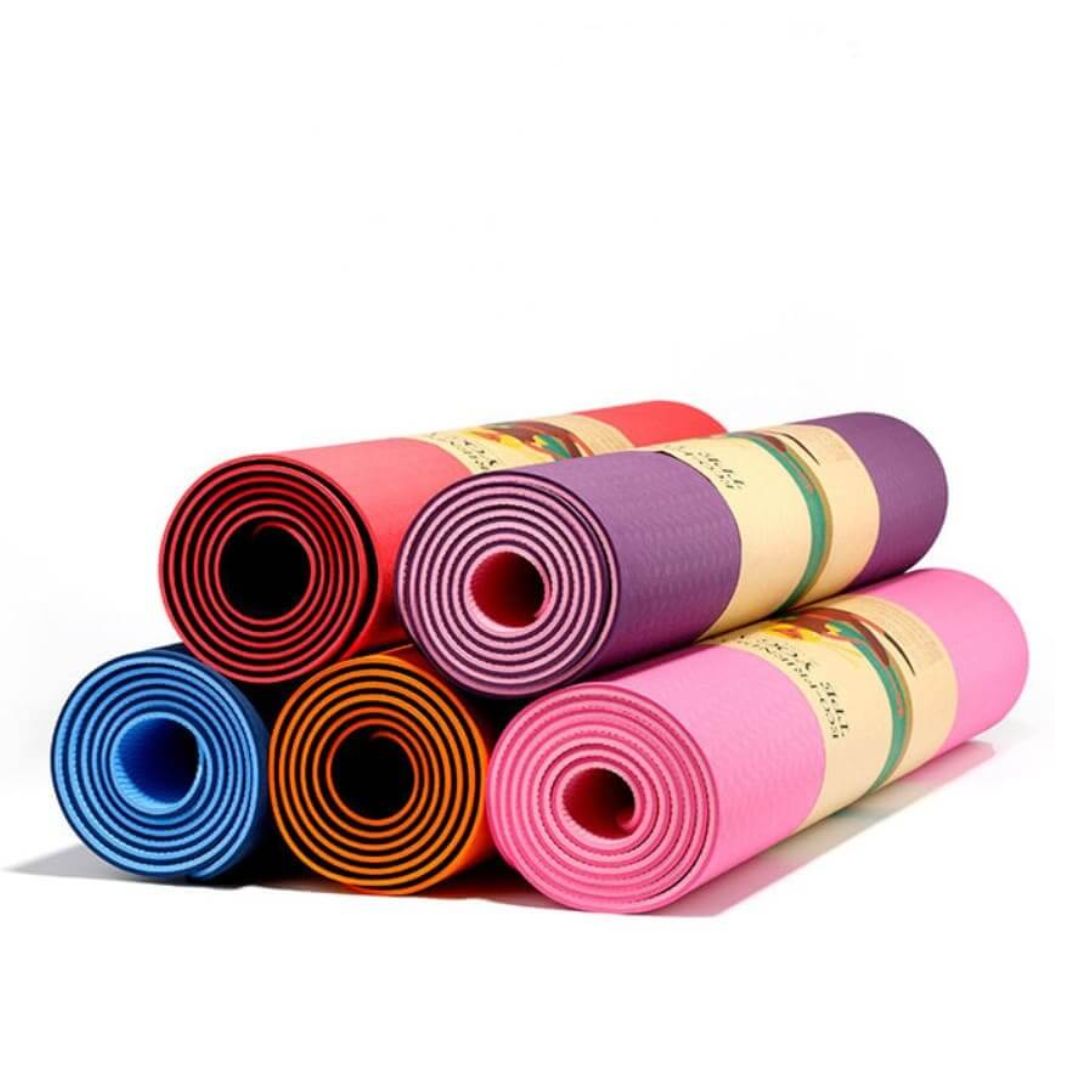 Yoga
Yoga
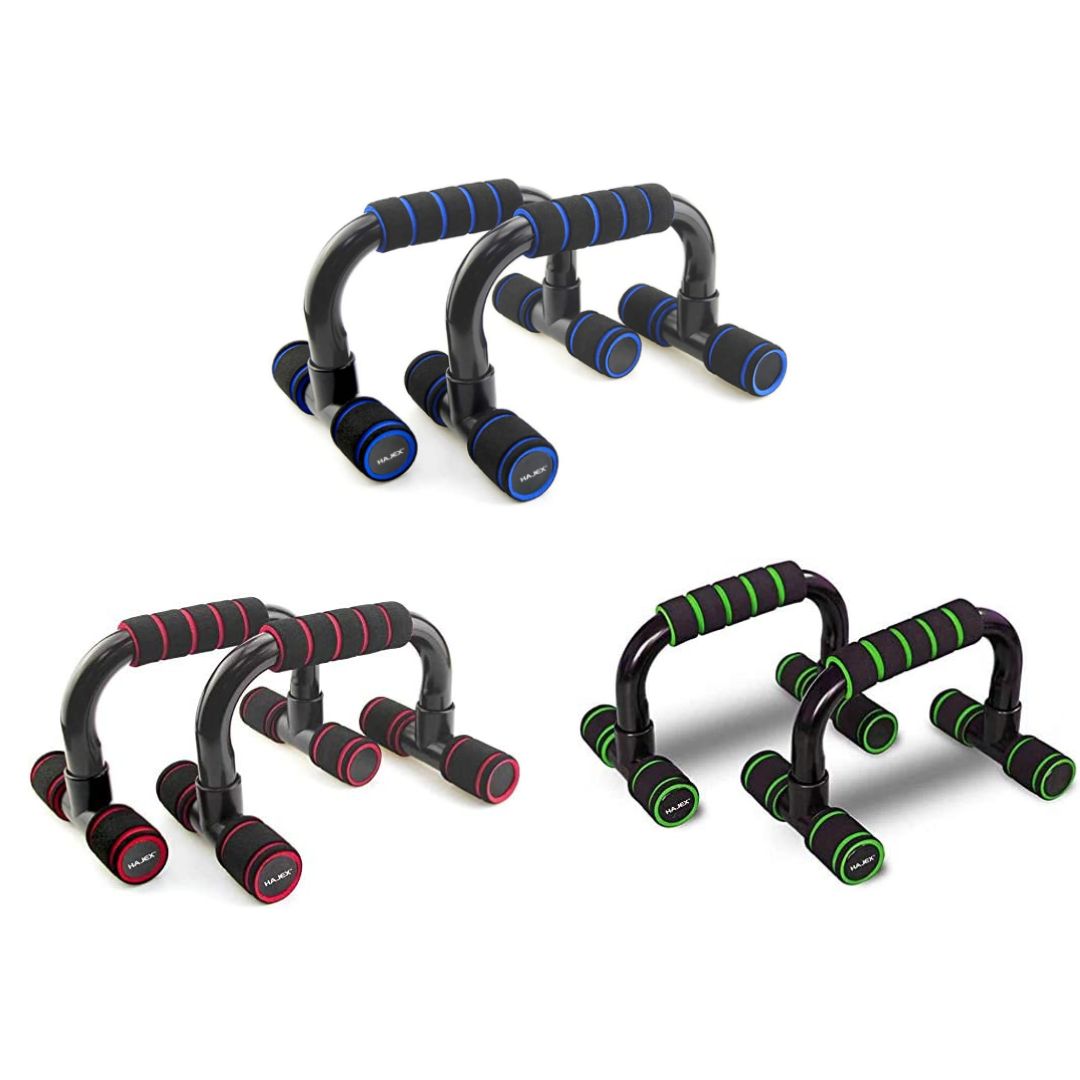 Push Up
 Resistance Bands
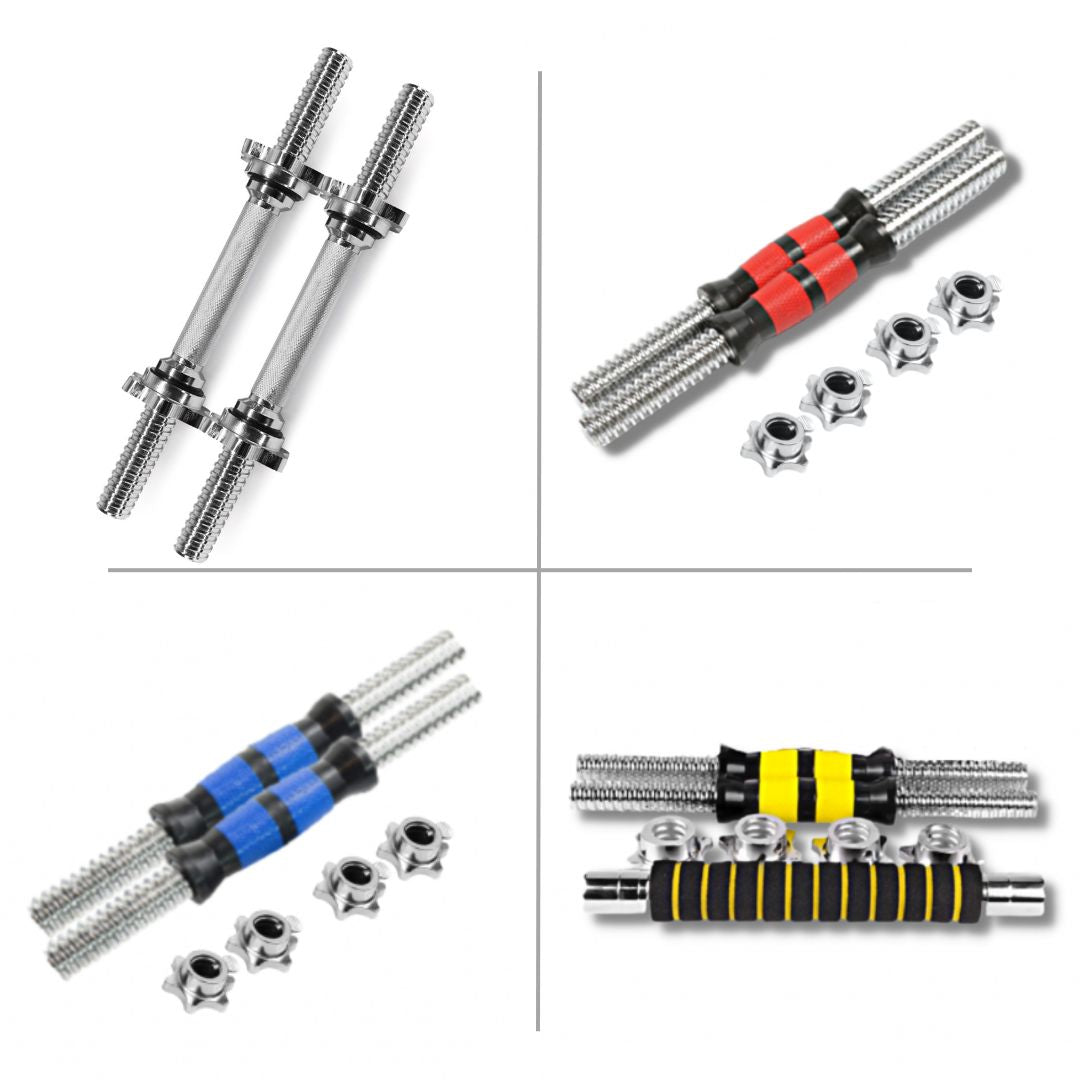 Dumbbell Handles
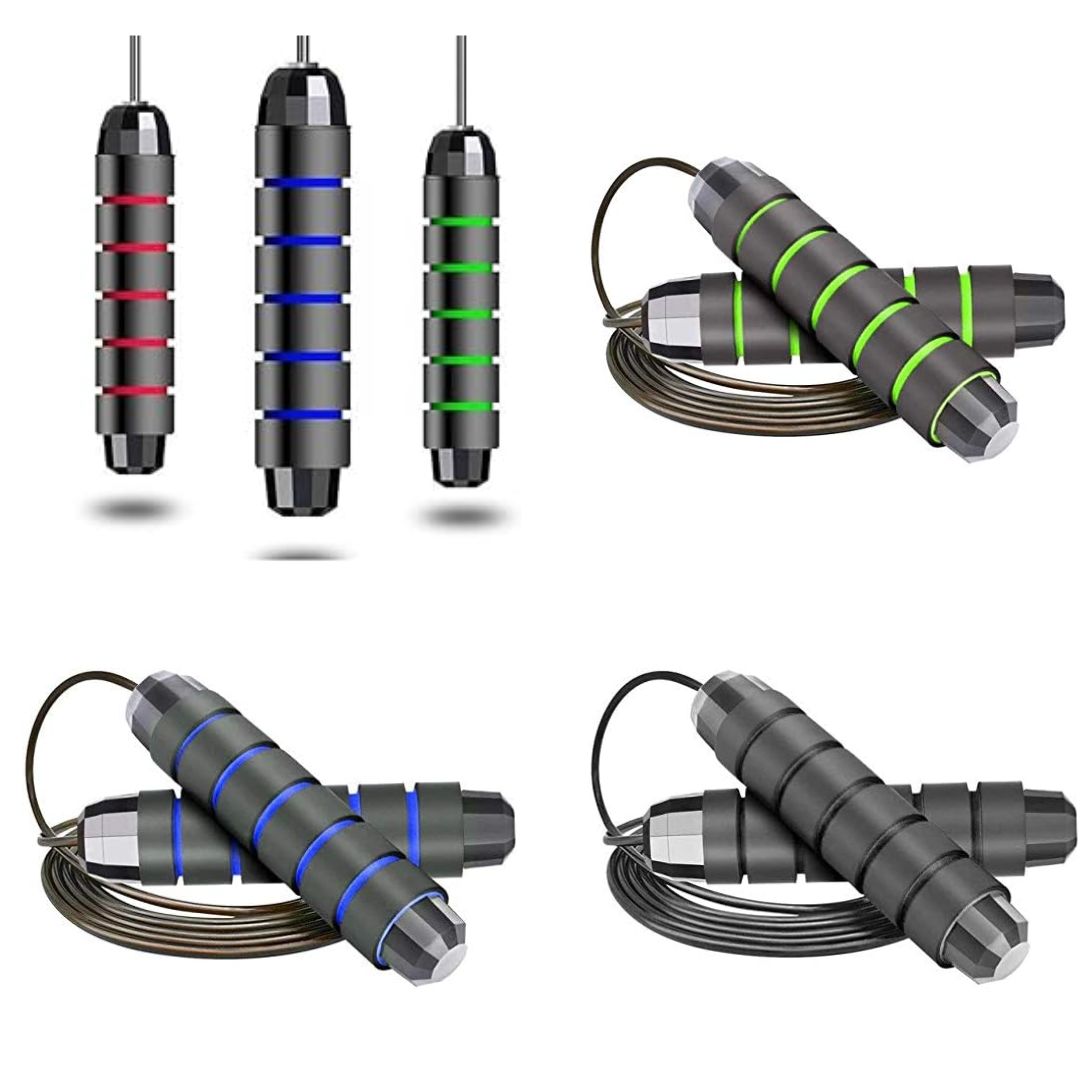 Jump Ropes




Home Gym Flooring: Hard Gym Mats vs Interlocking Foam Tiles
The right floor protects your home, keeps equipment from sliding and makes training more comfortable. Most home gyms use one of two options: hard gym mats or interlocking foam tiles. Here's how to choose, and how much you need.
Why your gym needs its own floor
- Protection. Racks, benches and dumbbells set down hard can dent wood, crack tile and scuff concrete.
- Grip. A mat keeps benches and stands from creeping across the floor during a set.
- Noise. A cushioned surface softens the sound of weights being set down.
- Comfort. Floor work, stretching and push-ups are easier on your knees and hands.
Hard gym mats: for the lifting zone
Our hard floor mats are high-density tiles, 50 × 50 cm and 2 cm thick, sold in packs of 6. They are firm enough to sit under power racks, Smith machines, benches and dumbbell racks without sinking, and they protect the floor when weights are set down.
Best for: the area under and around racks and benches, dumbbell and plate storage, and anywhere heavy equipment stays put.
Colours: blue, white, red, green and yellow.
Good to know: a pack weighs about 58 LB, and that weight helps the tiles lie flat and stay in place.
Interlocking foam tiles: for floor work
Our interlocking gym floor tiles are half-inch EVA foam with a waterproof, anti-slip surface. A pack of 6 tiles, each 60 × 60 cm, covers 23.2 sq ft, and the edges lock together like a puzzle, so you can cover a room and take it apart again when you need the space.
Best for: bodyweight training, stretching, yoga, core work, light dumbbells and kids' play areas.
Colours: several, including black, white and grey.
Good to know: foam compresses under concentrated weight, so it isn't the right base for a loaded rack or a heavy bench.
Which one should you choose?
| Hard gym mats | Interlocking foam tiles | |
|---|---|---|
| Feel | Firm | Soft and cushioned |
| Thickness | 2 cm | 1/2 inch |
| One pack covers | About 16 sq ft | 23.2 sq ft |
| Under racks and benches | Yes | No |
| Stretching and floor work | Works, but firmer | Yes |
| Pack weight | About 58 LB | About 6.5 LB |
Use both
Many home gyms combine the two: hard mats in the lifting zone under the rack and bench, and foam tiles around it for warm-ups, stretching and core work. A pack of hard mats covers about 16 sq ft and a pack of foam tiles covers 23.2 sq ft, so plan each zone separately.
How many packs you need
Measure your space in feet and multiply length by width. Divide by 16 for hard mats or by 23 for foam tiles, then round up to a whole pack.
- A 6 × 8 ft lifting zone is 48 sq ft: 3 packs of hard mats or 3 packs of foam tiles.
- An 8 × 10 ft room is 80 sq ft: 5 packs of hard mats or 4 packs of foam tiles.
- A 10 × 12 ft room is 120 sq ft: 8 packs of hard mats or 6 packs of foam tiles.
Both are square tiles, 50 cm for hard mats and 60 cm for foam tiles, so some room sizes will leave a small gap at the edges.
Looking after your floor
- Wipe both types with a damp cloth and mild soap.
- Lift equipment into place rather than dragging it across the tiles.
- If you drop barbells from overhead, use bumper plates and a thicker lifting platform. Gym flooring is made for everyday training, not repeated heavy drops.
Not sure which mats suit your equipment? Contact us and we'll help you choose.


