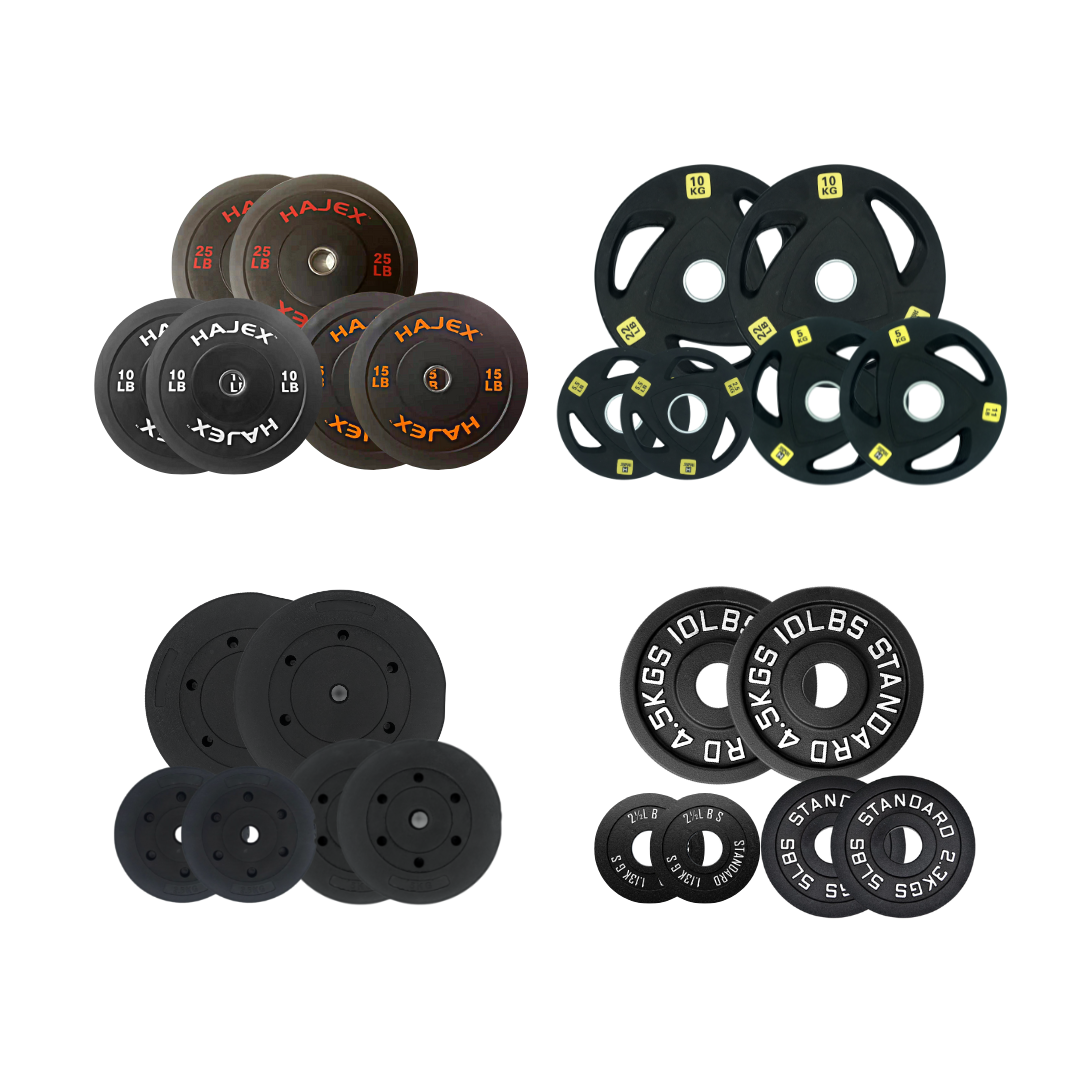
 WEIGHT PLATES
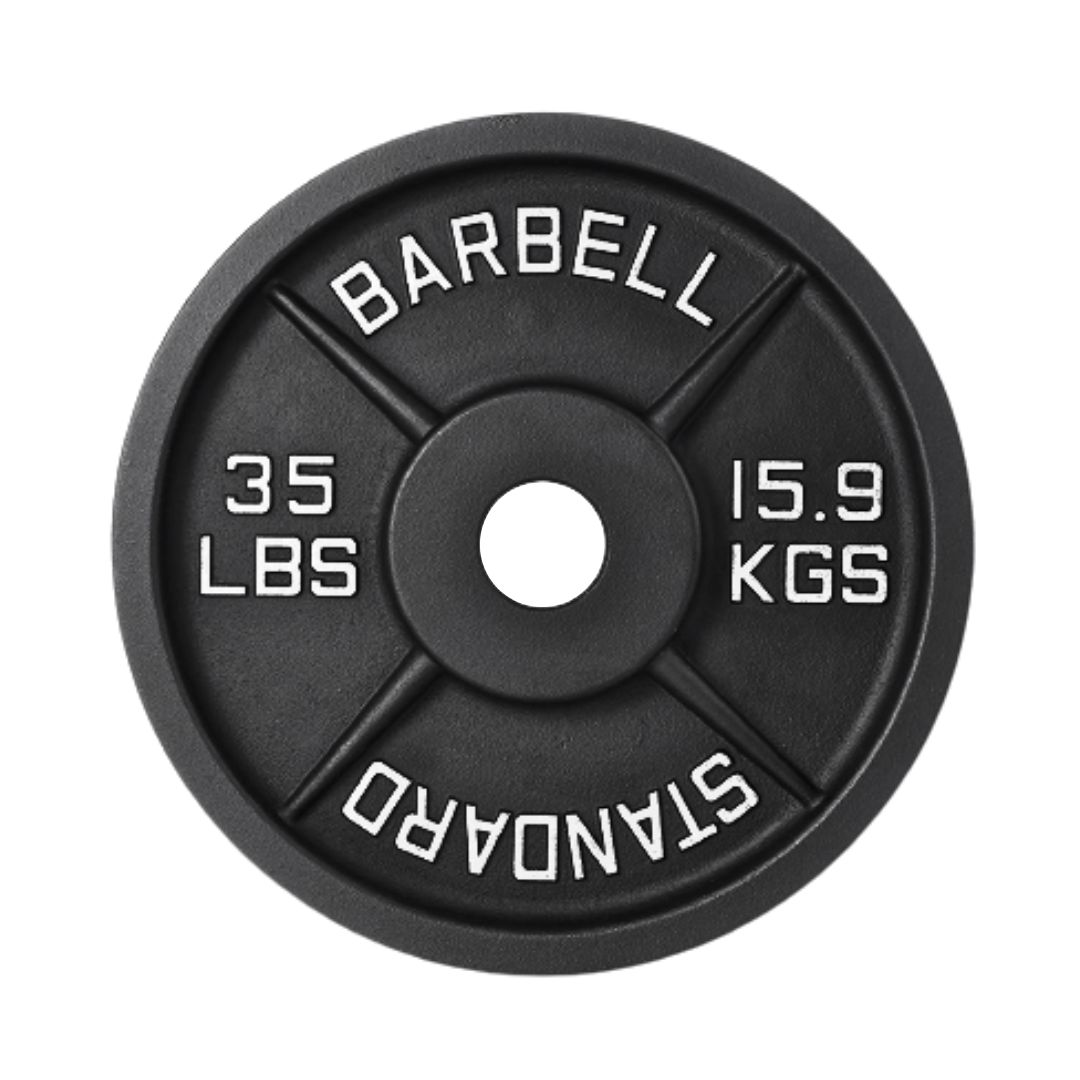 Cast Iron Olympic Plates
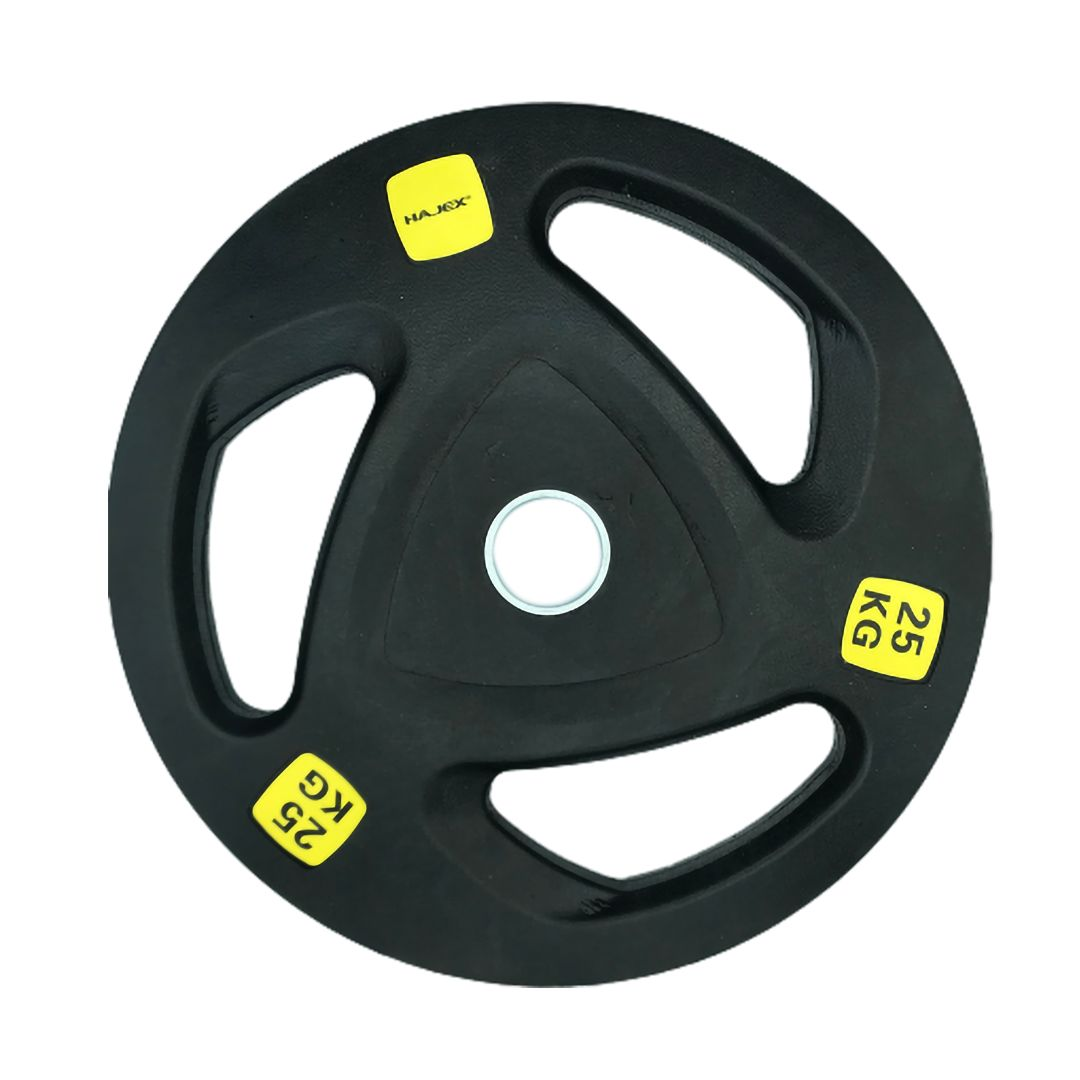 Olympic Rubber Weight Plates
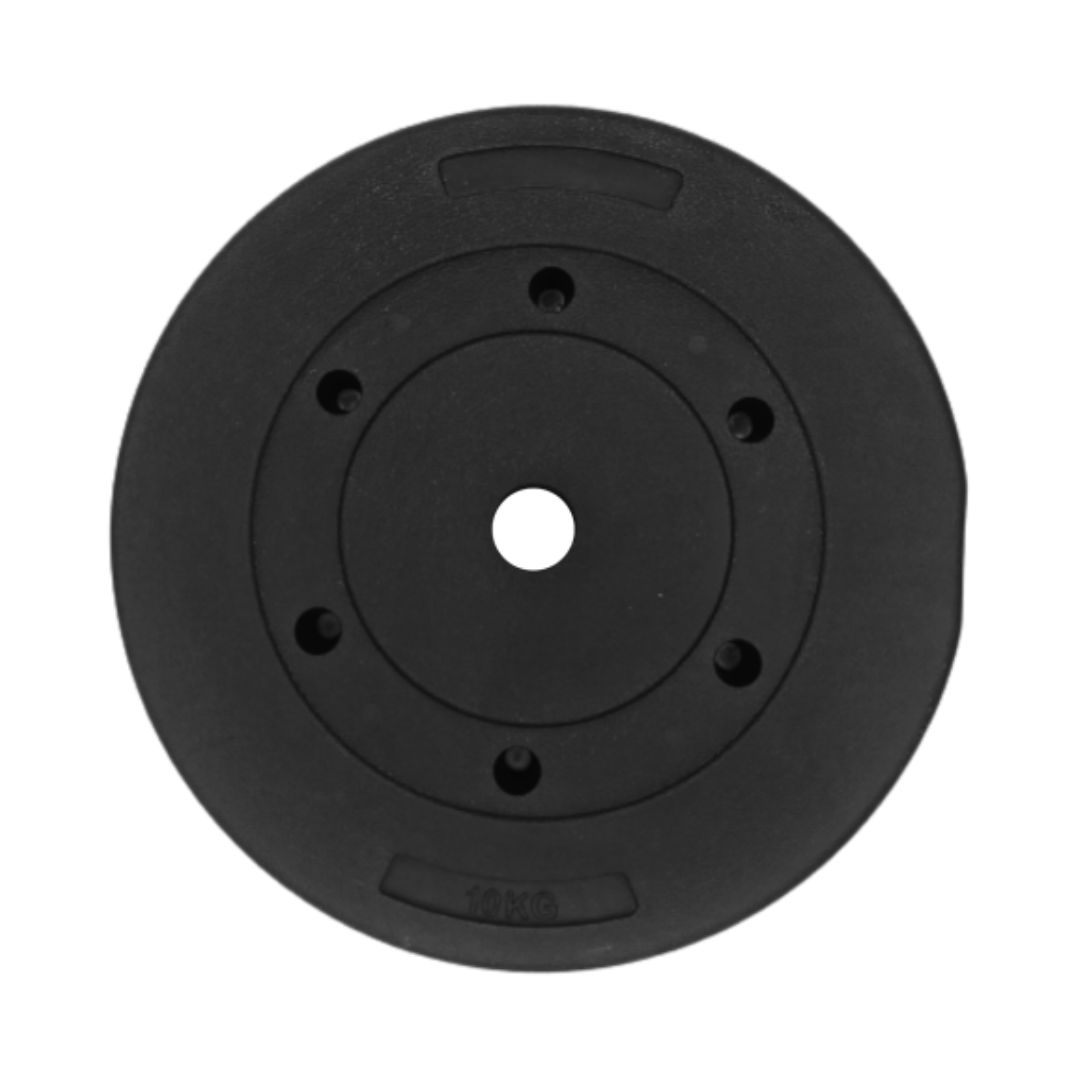 PVC Weight Plates
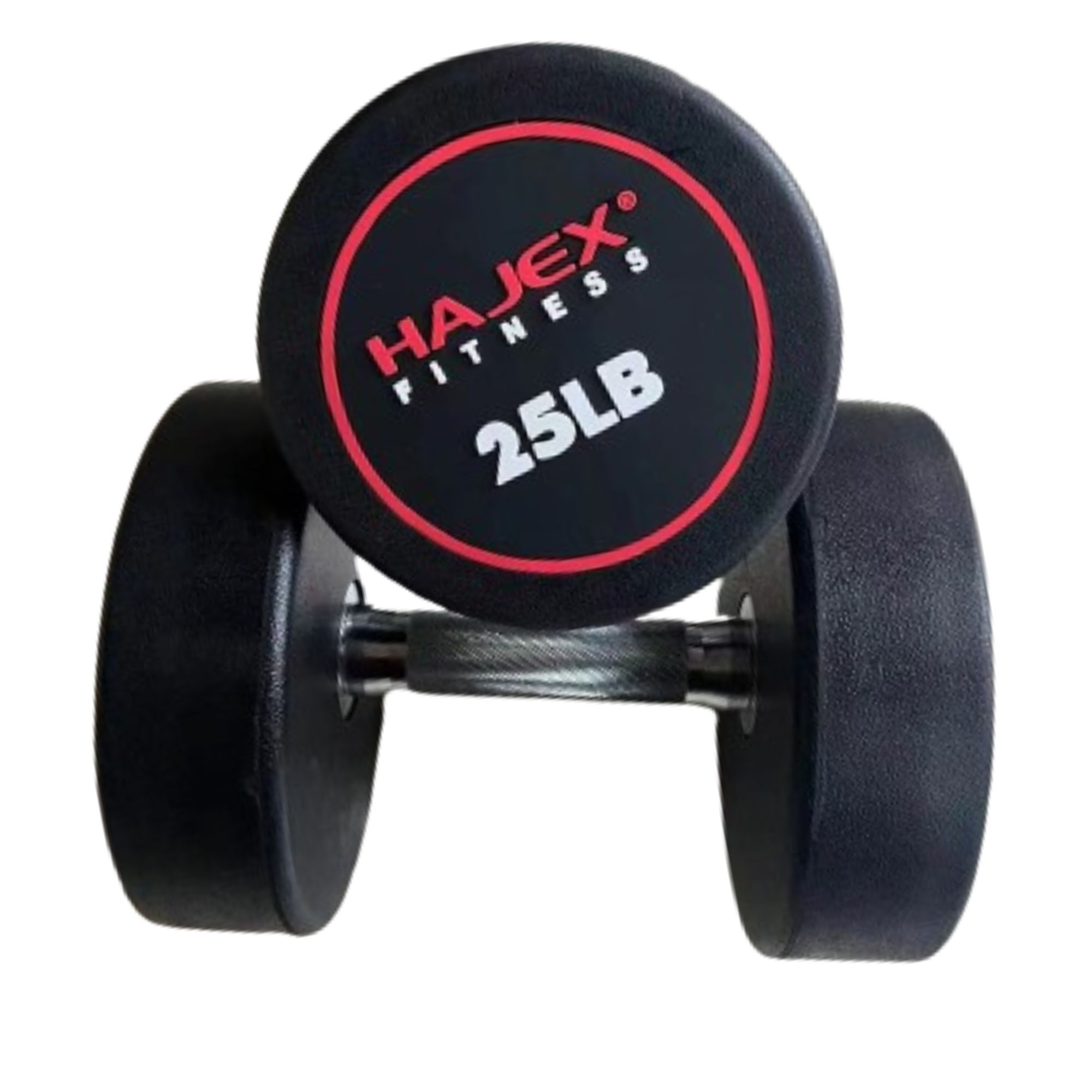 DUMBBELLS
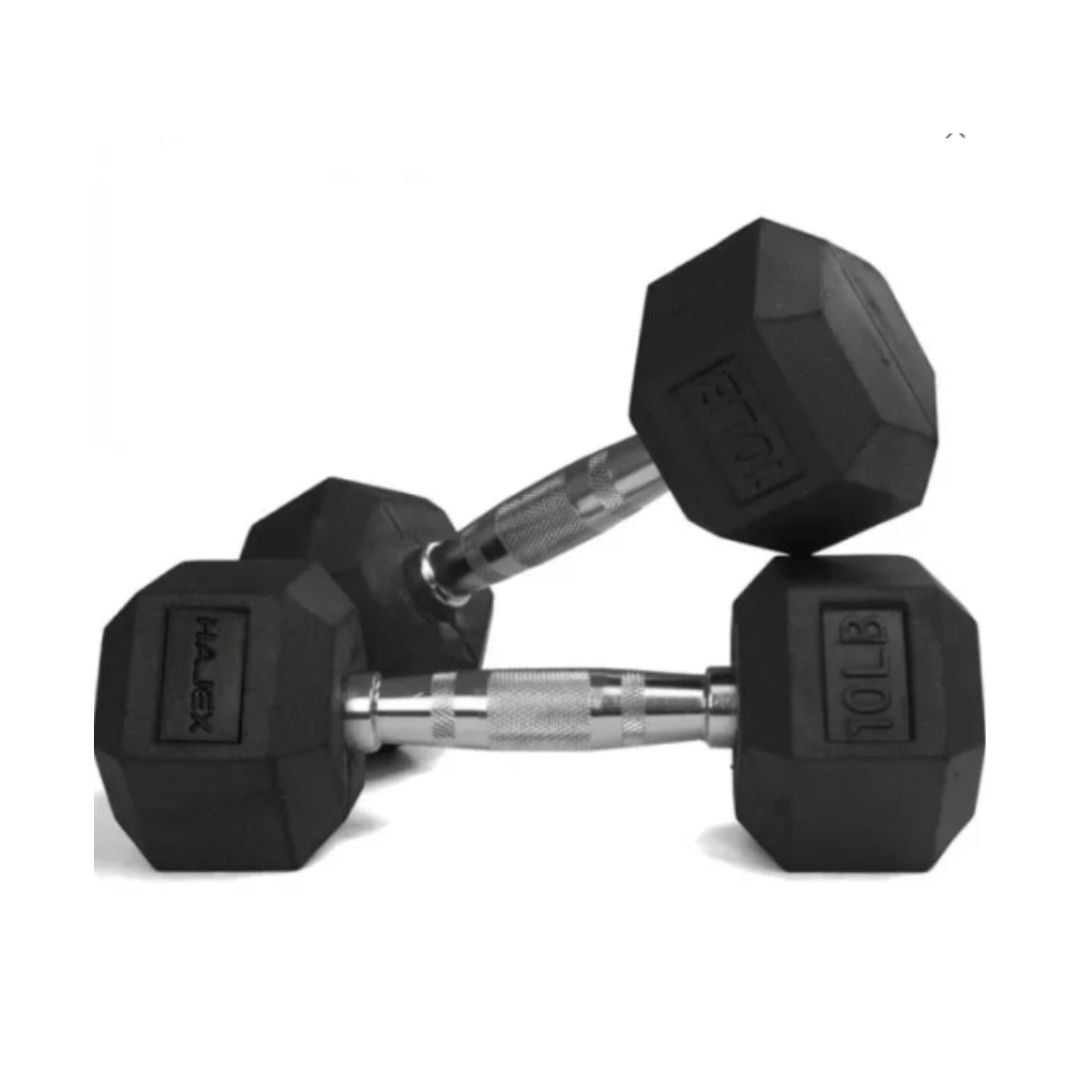 Rubber Hex Dumbbells
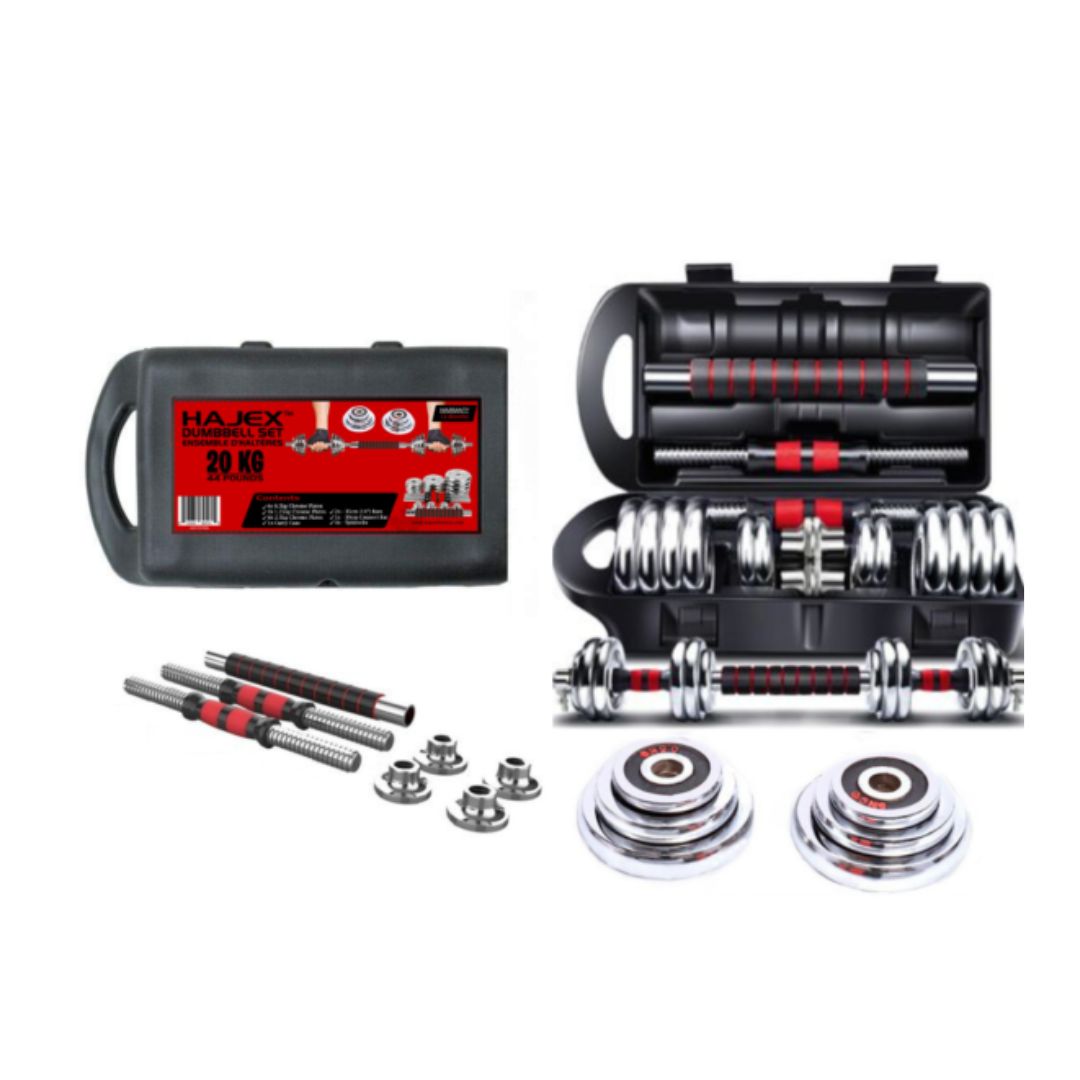 Cast Iron Adjustable Dumbbells
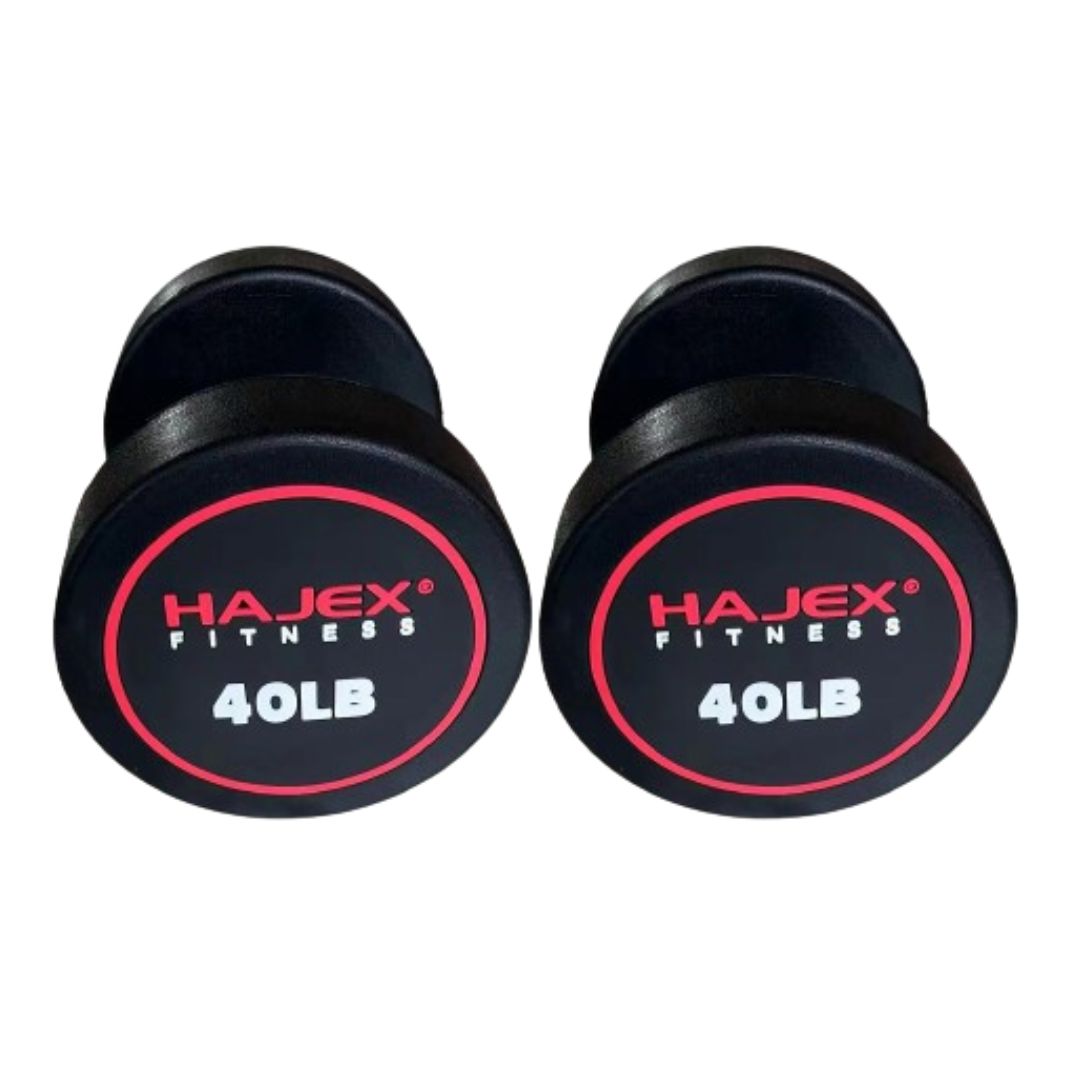 Round Head Dumbbells
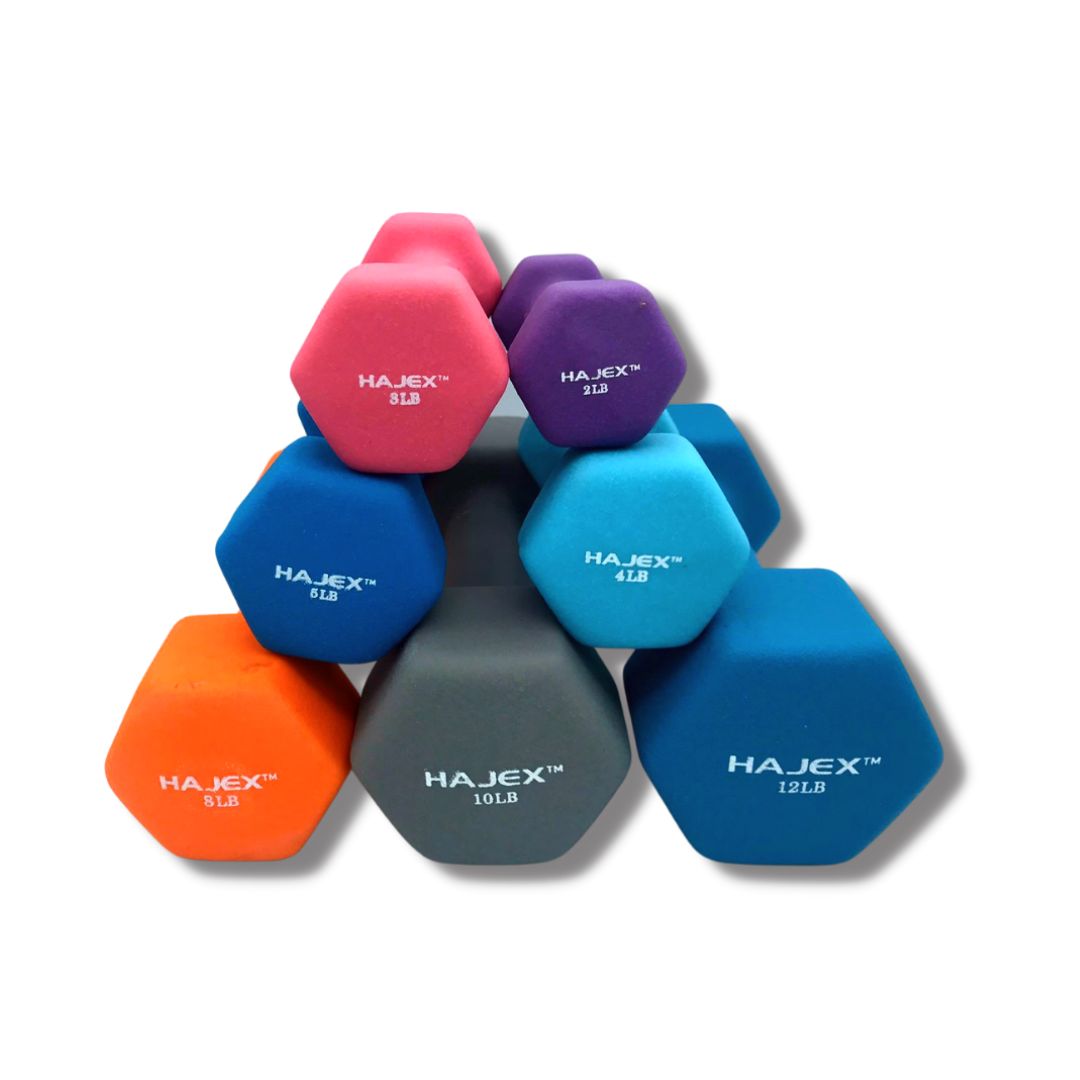 Neoprene Dumbbells
 BENCHES
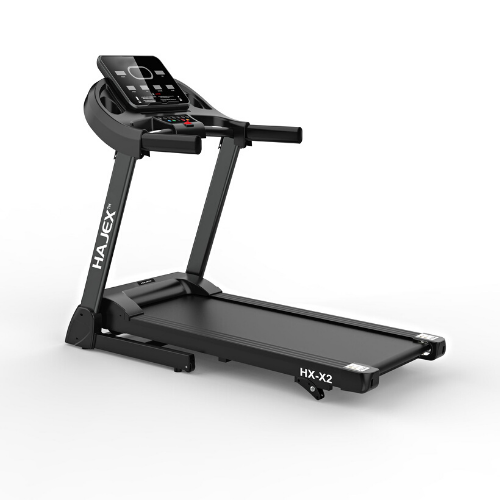 CARDIO
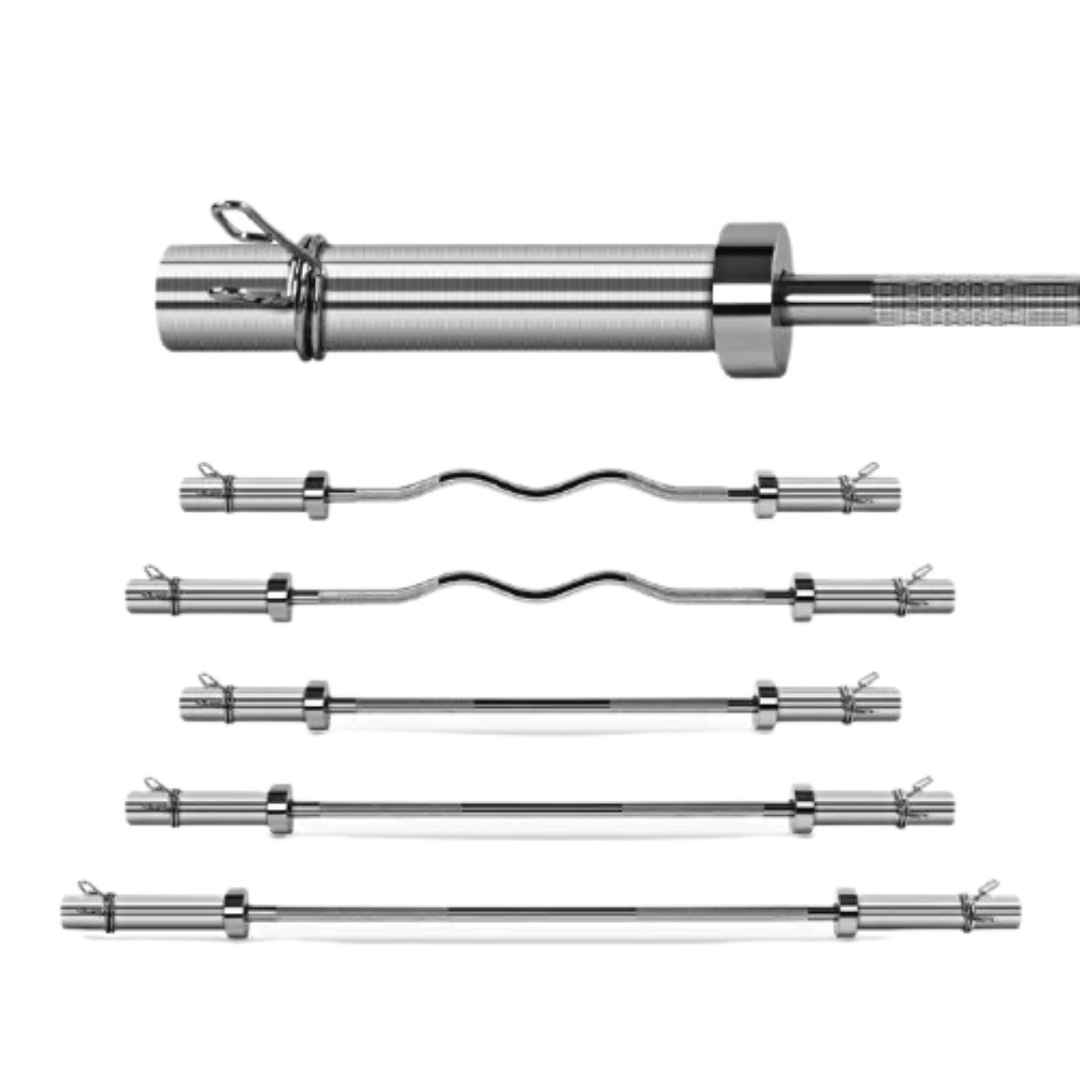 BARBELL BARS
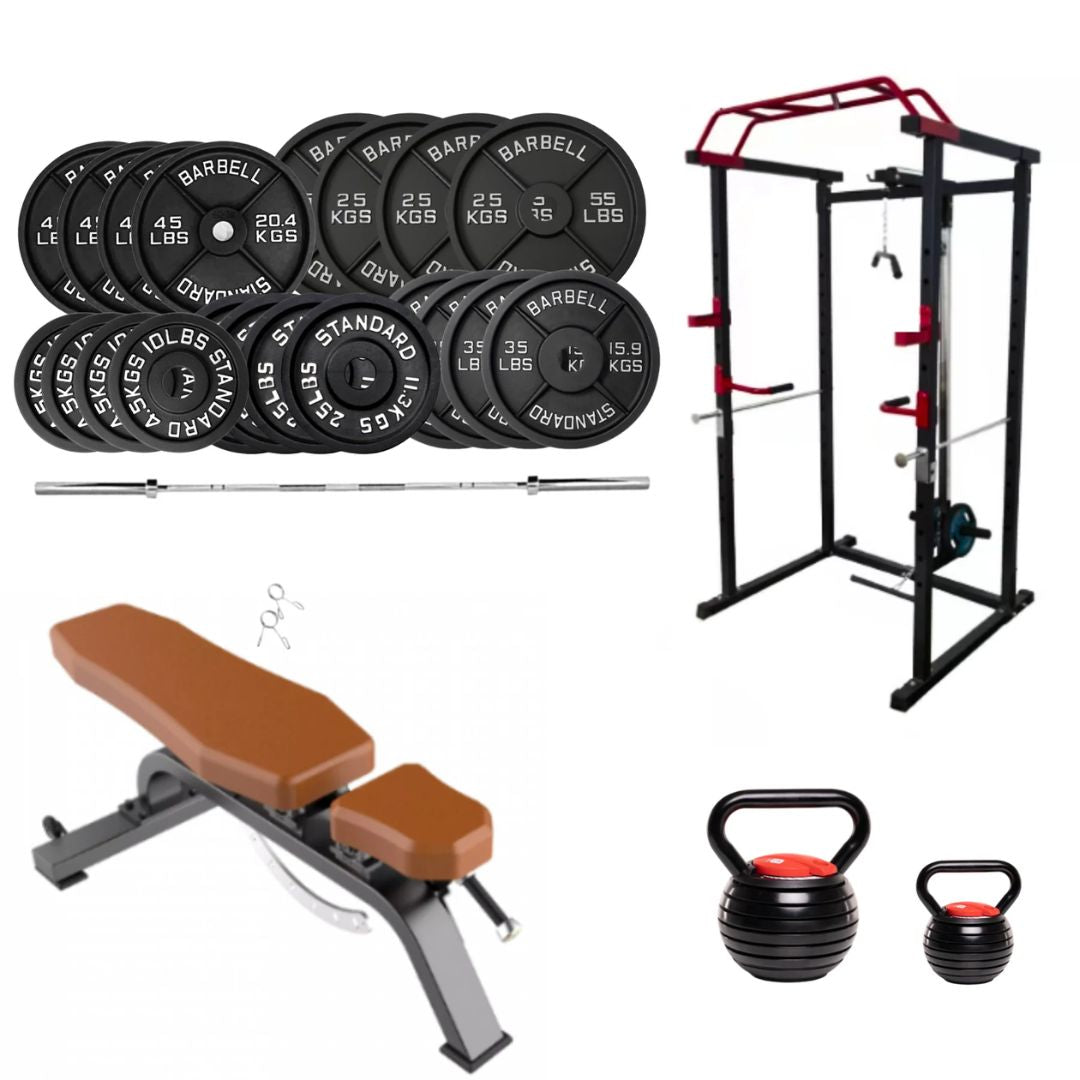 Home Gym Deals
 Olympic Bumper Plates
 Tri Grip Plates
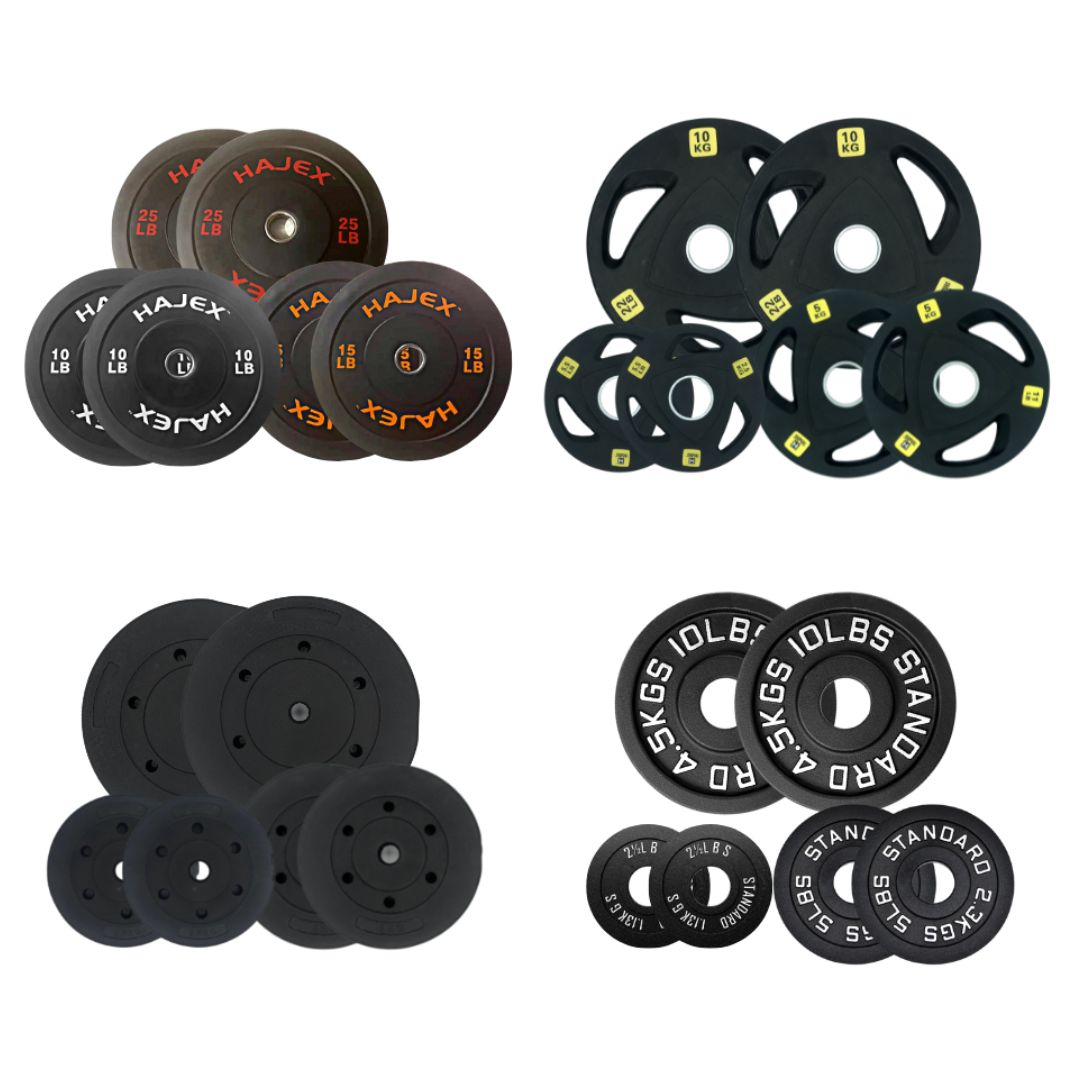 Weight Plates Combo
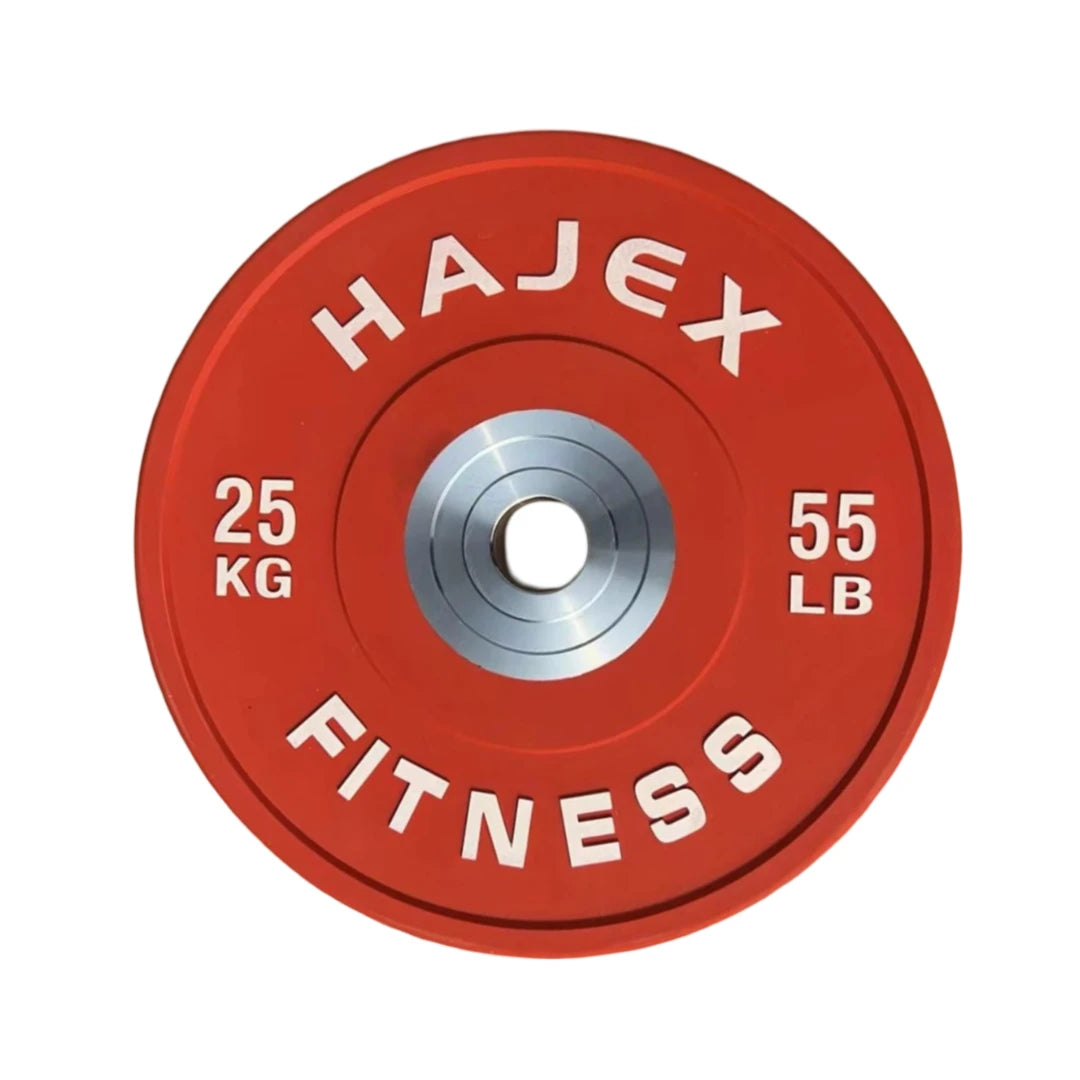 Olympic Steel Hub Bumper Plates
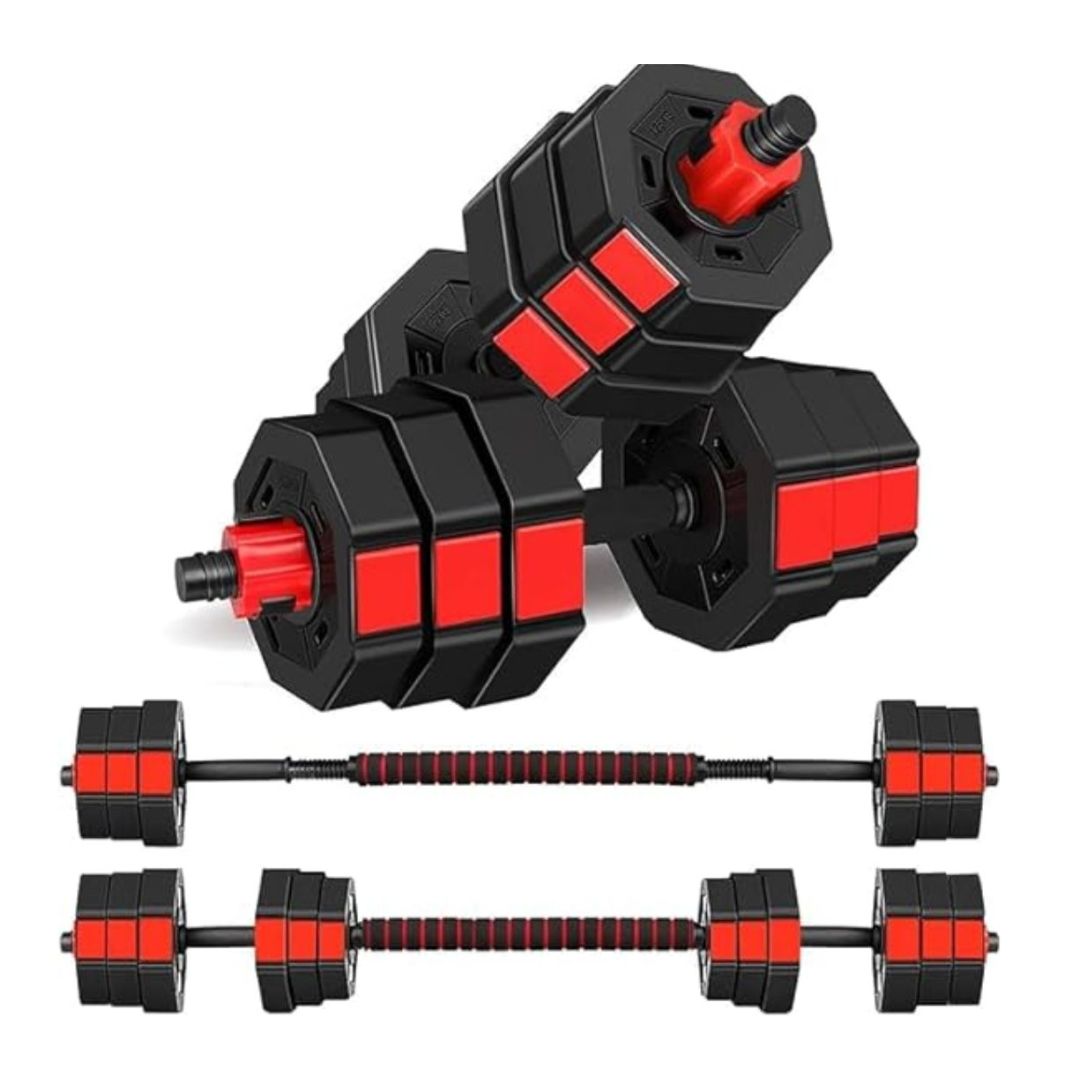 PVC Dumbbells
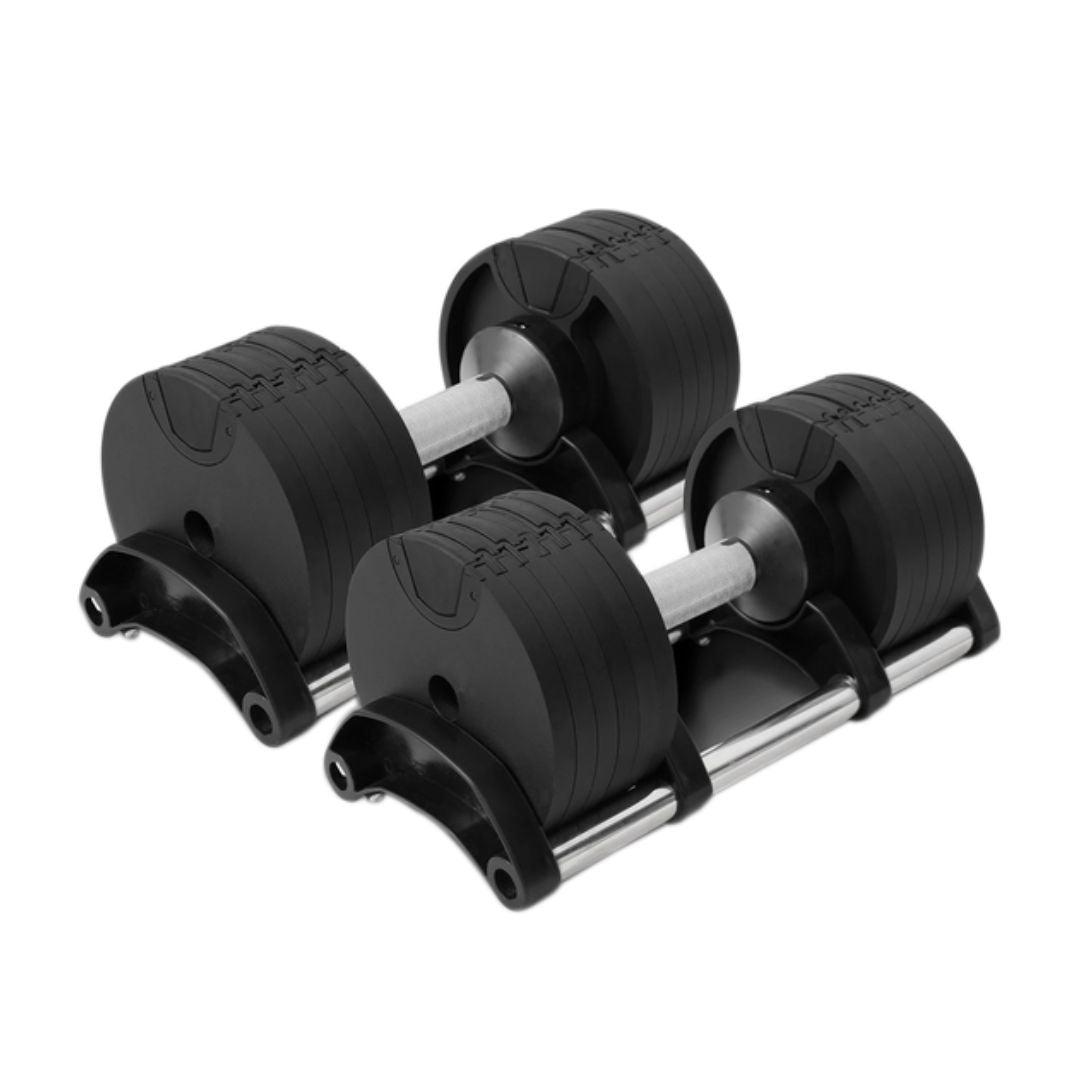 NUO Style Adjustable Dumbbells
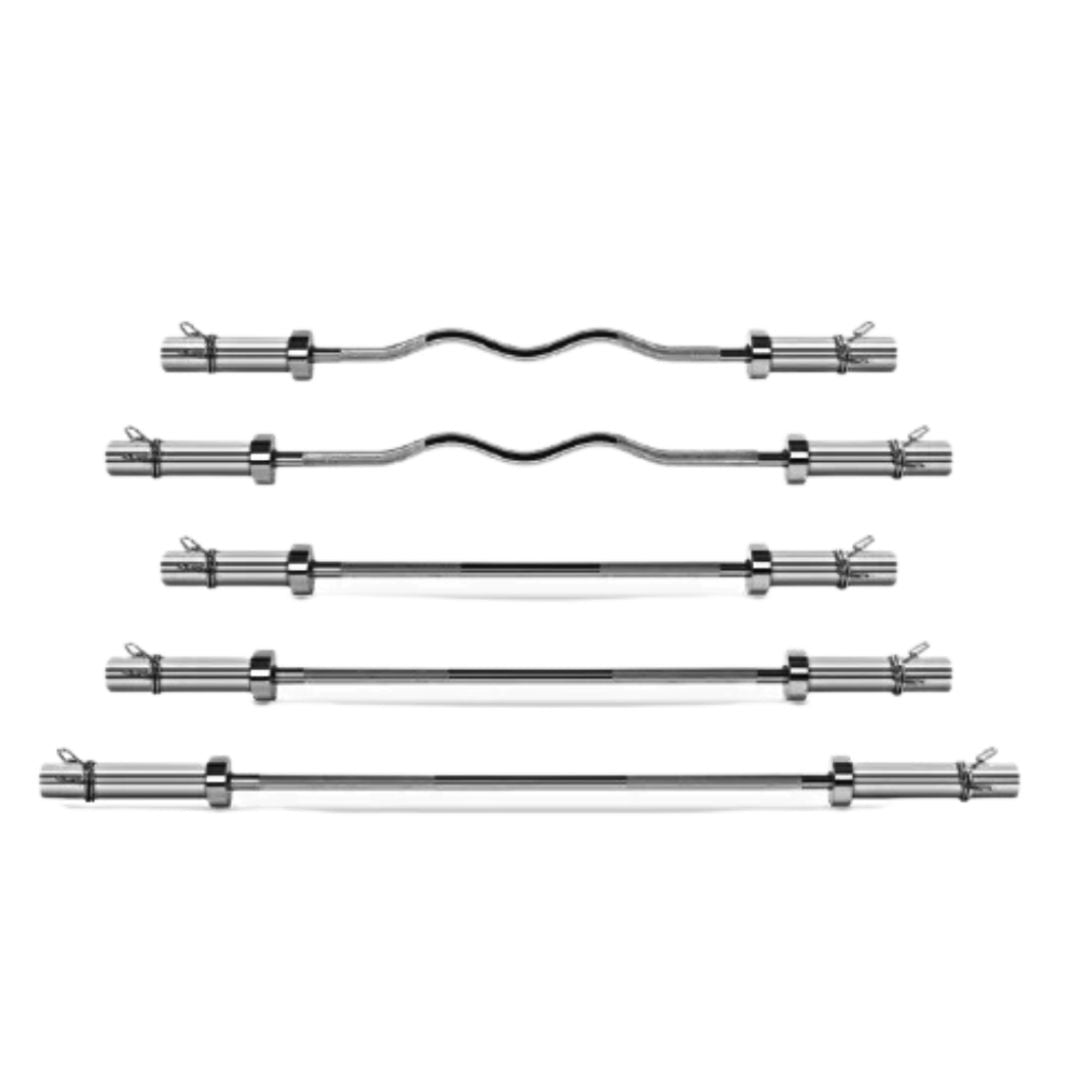 Olympic Barbells 2"
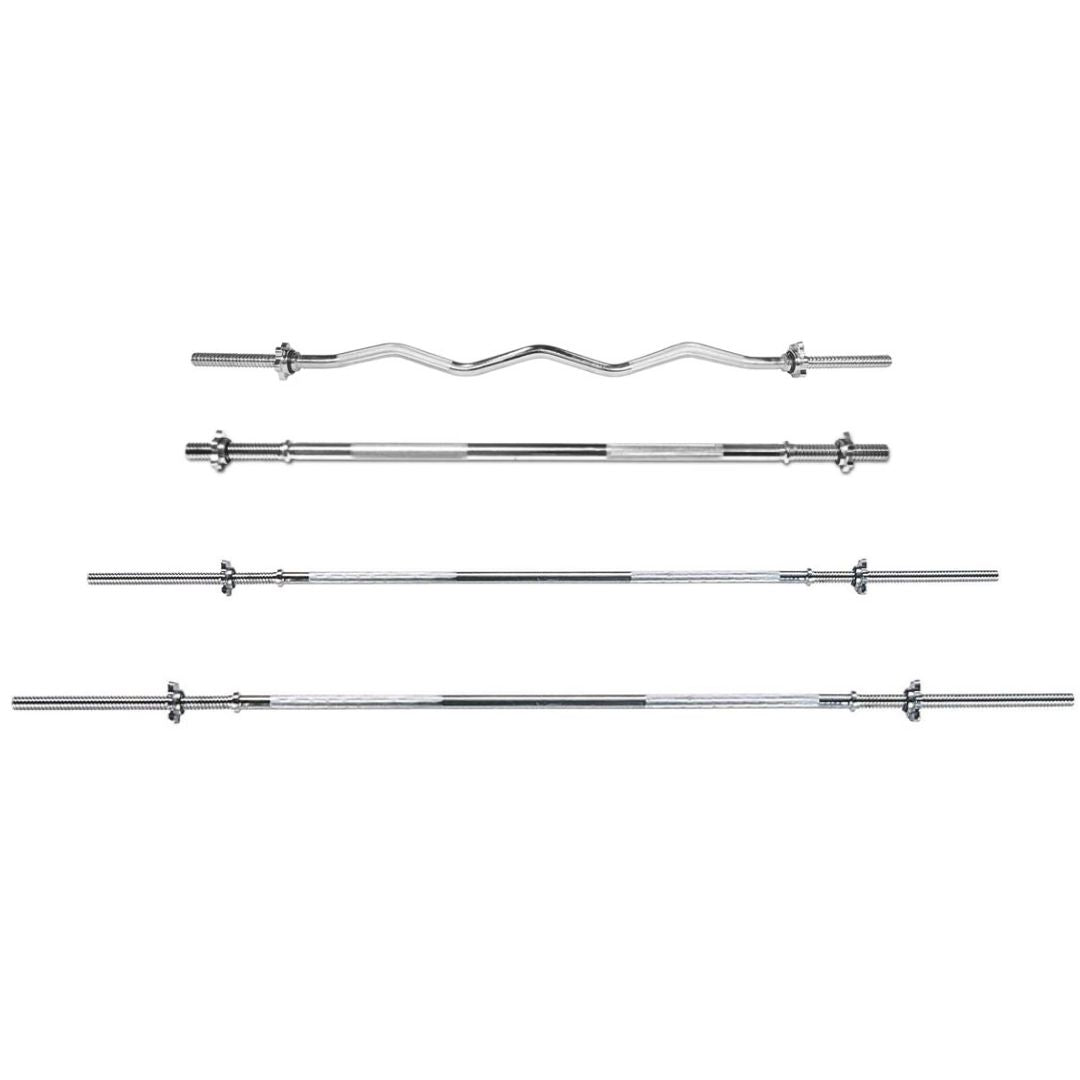 Standard Barbells 1"
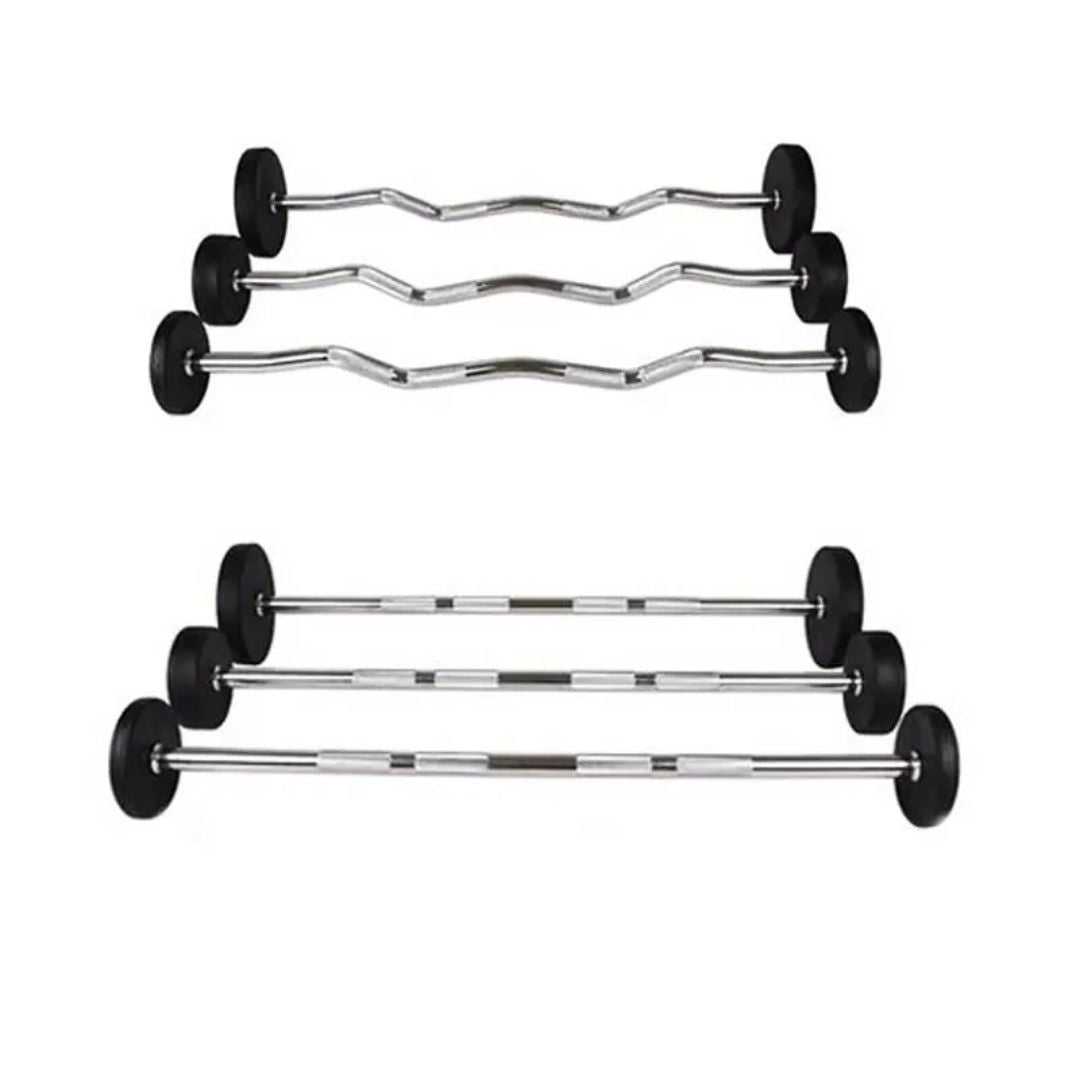 Fixed Weight Bars
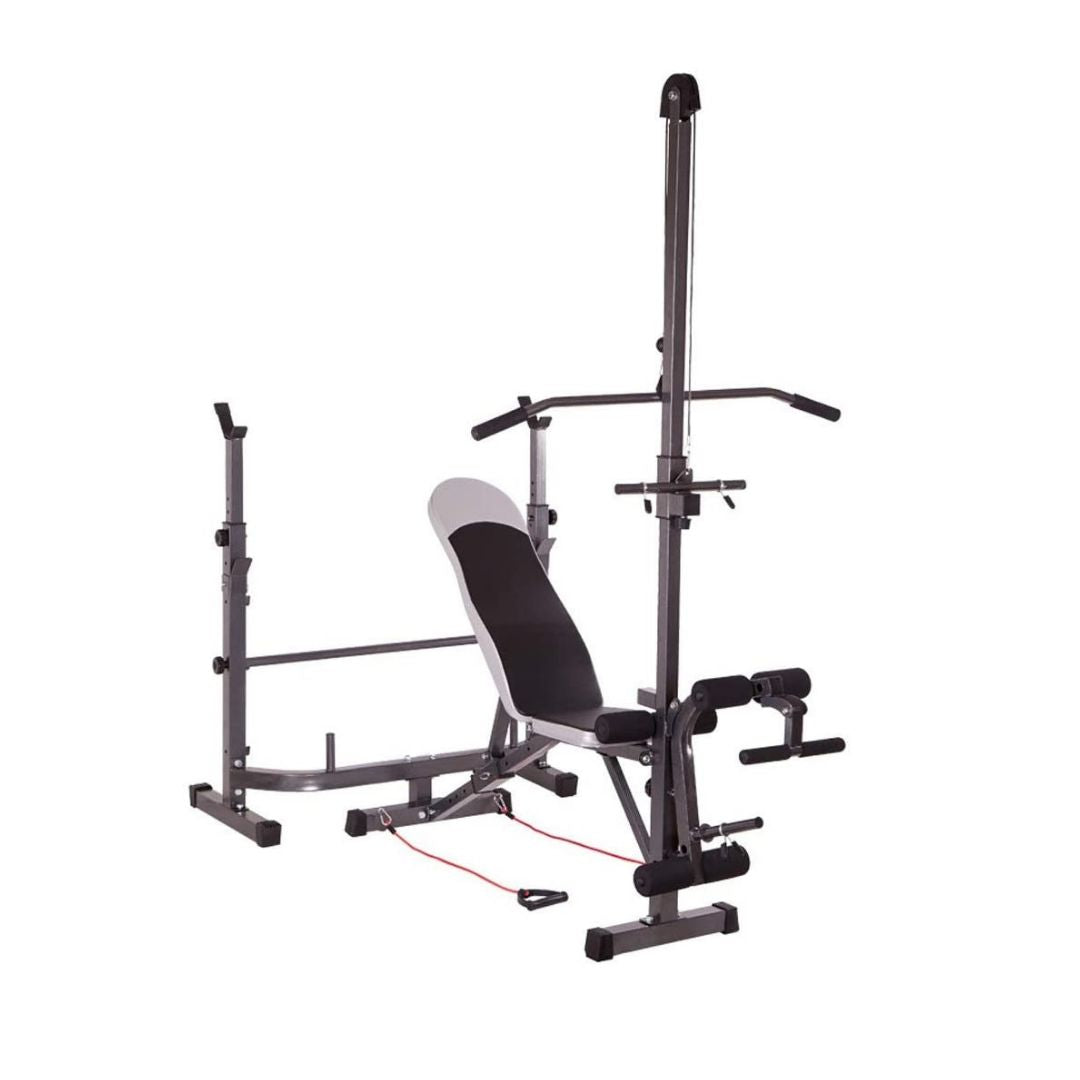 Benches with Pulley & Rack
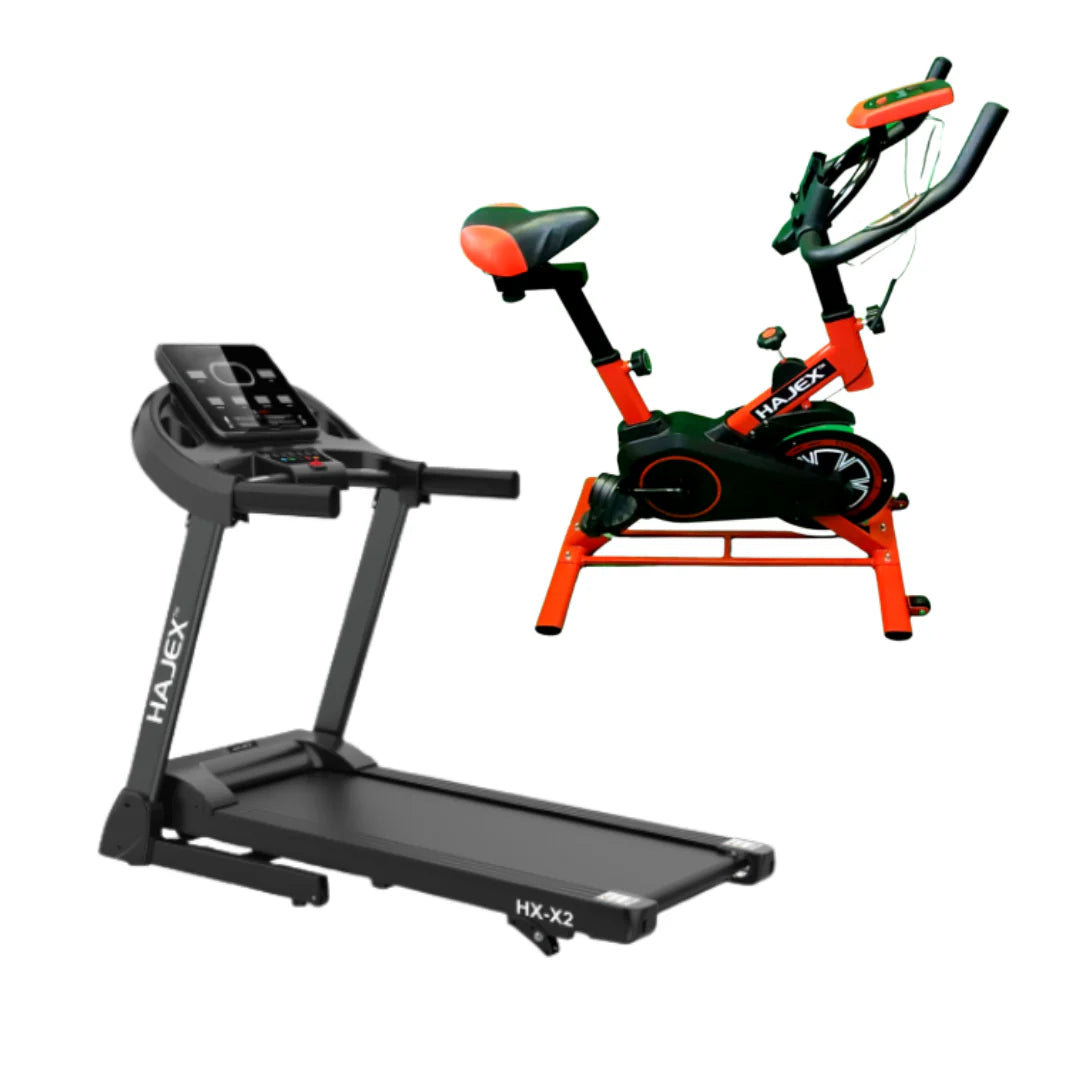 CARDIO
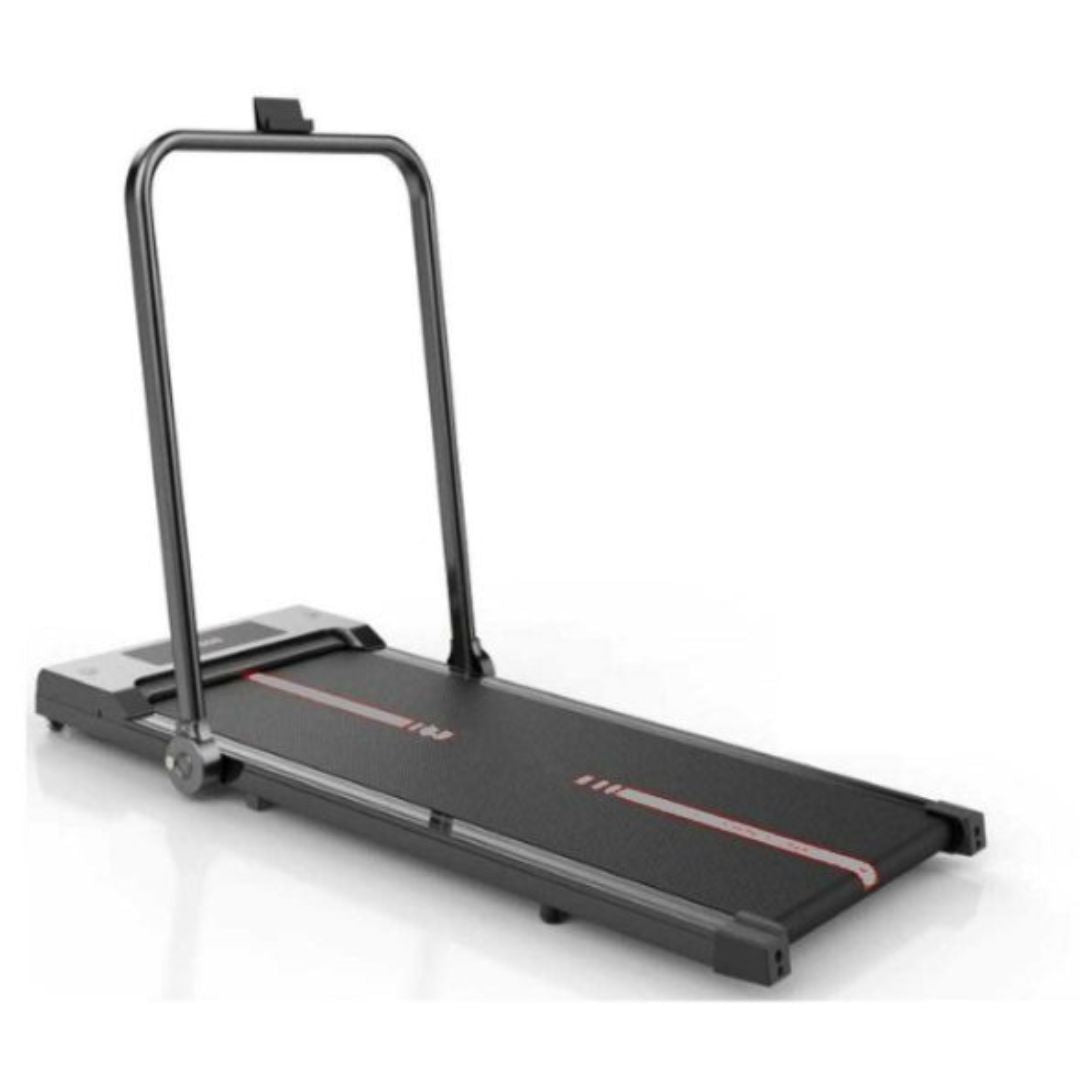 Foldable Walking Pads
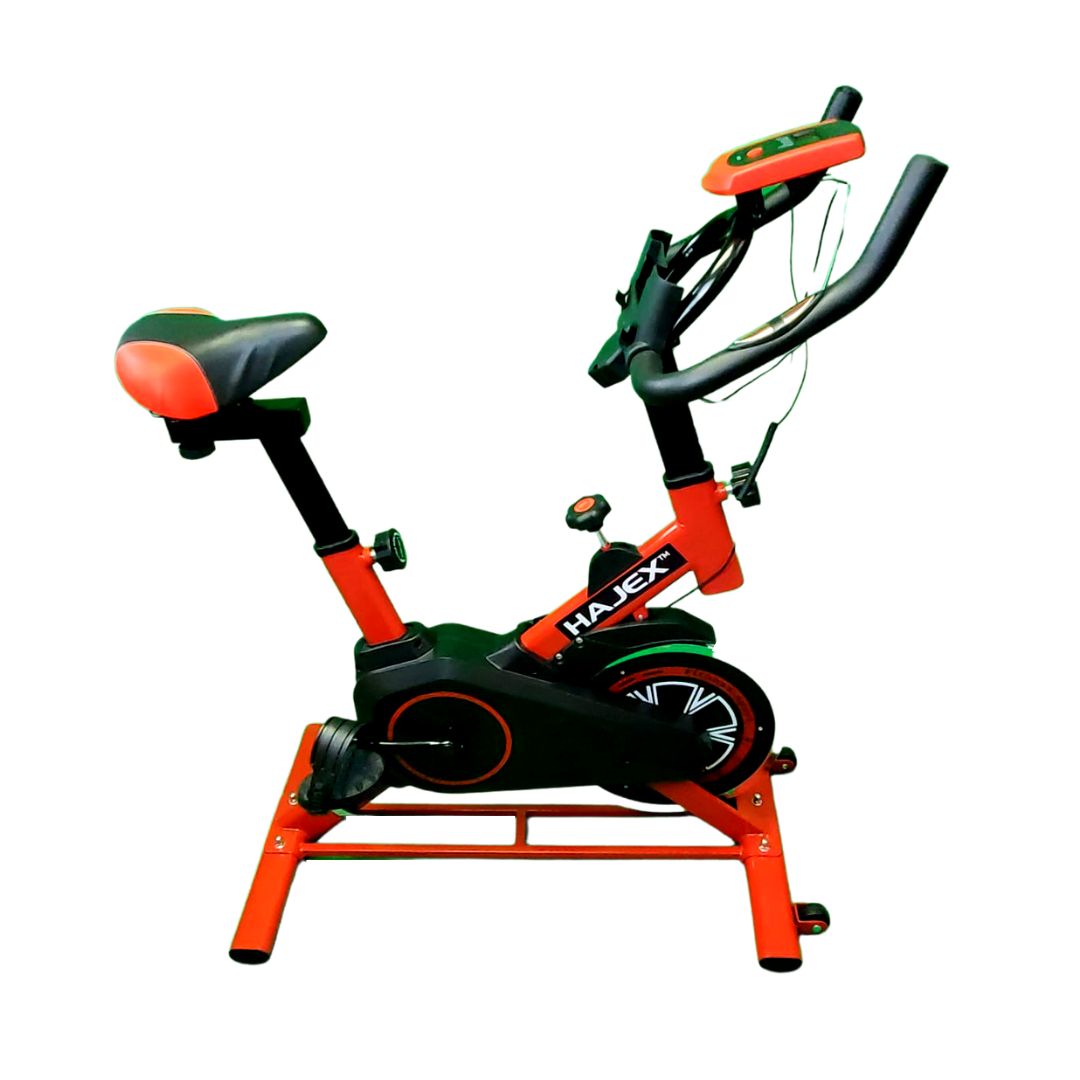 Exercise Bikes
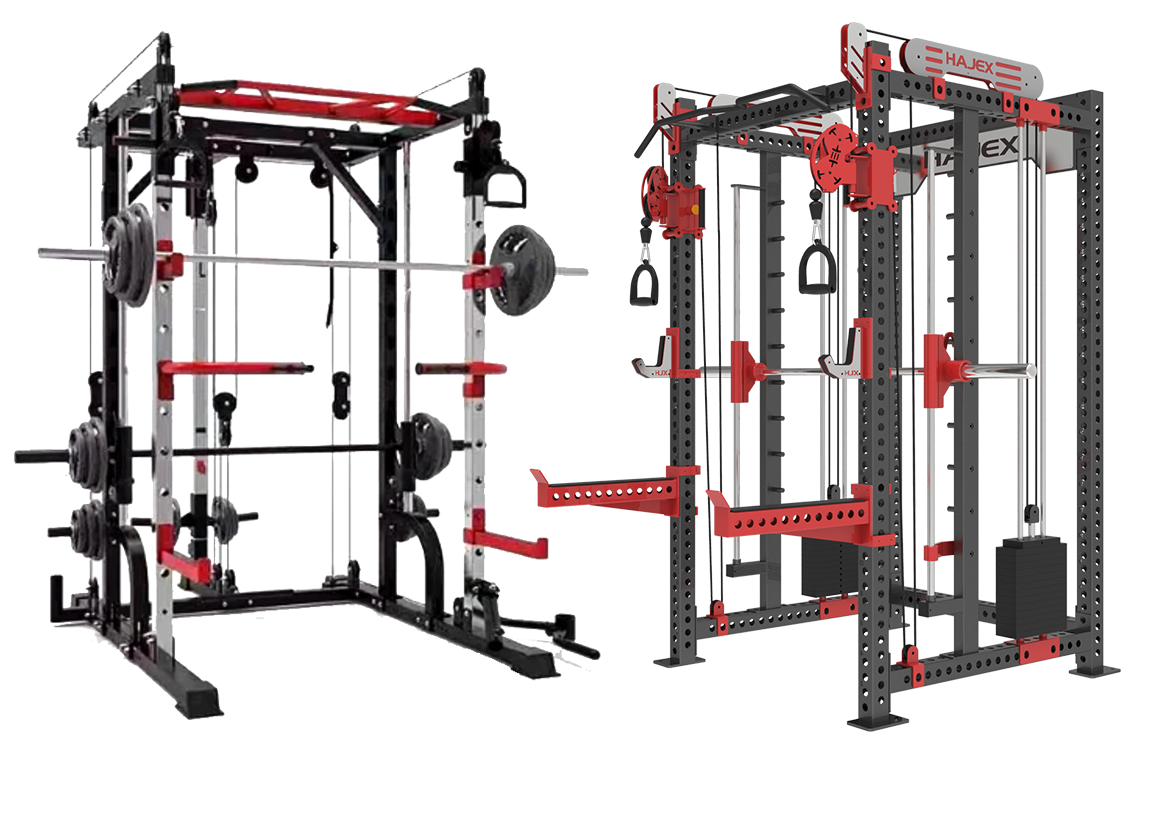 RACKS, CAGES & SMITHS
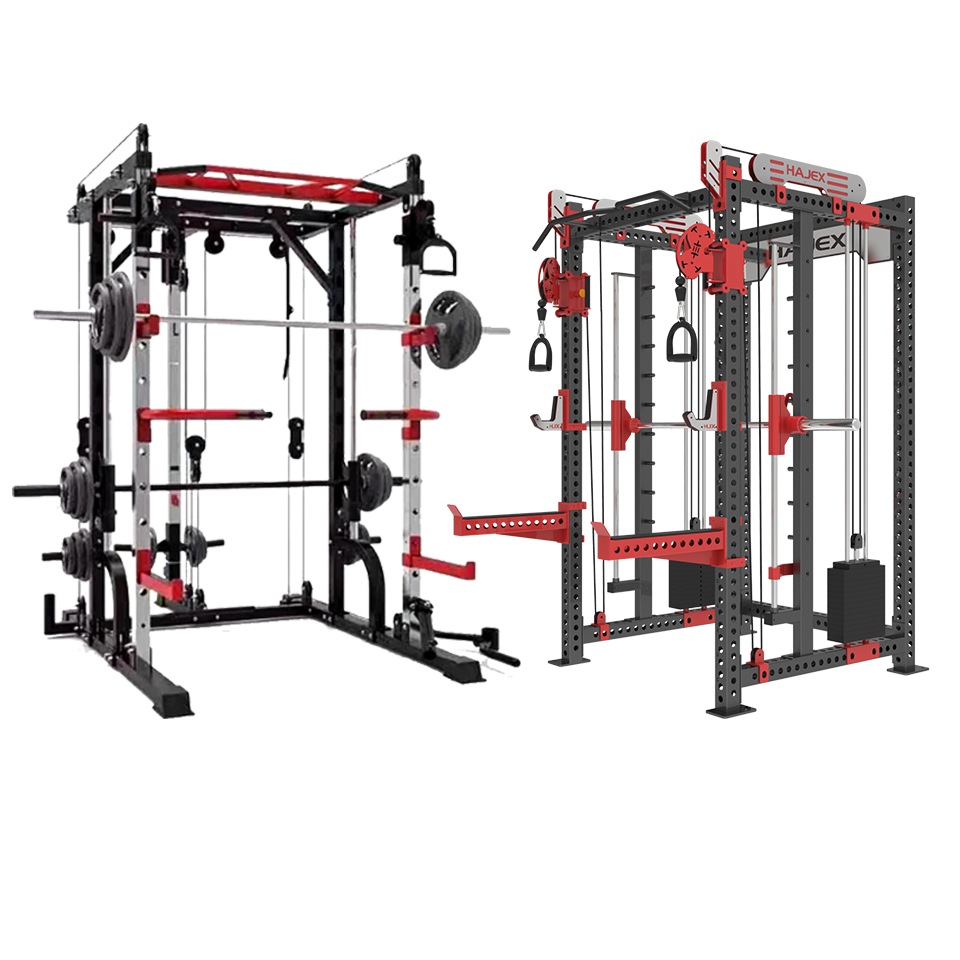 Smith Machines
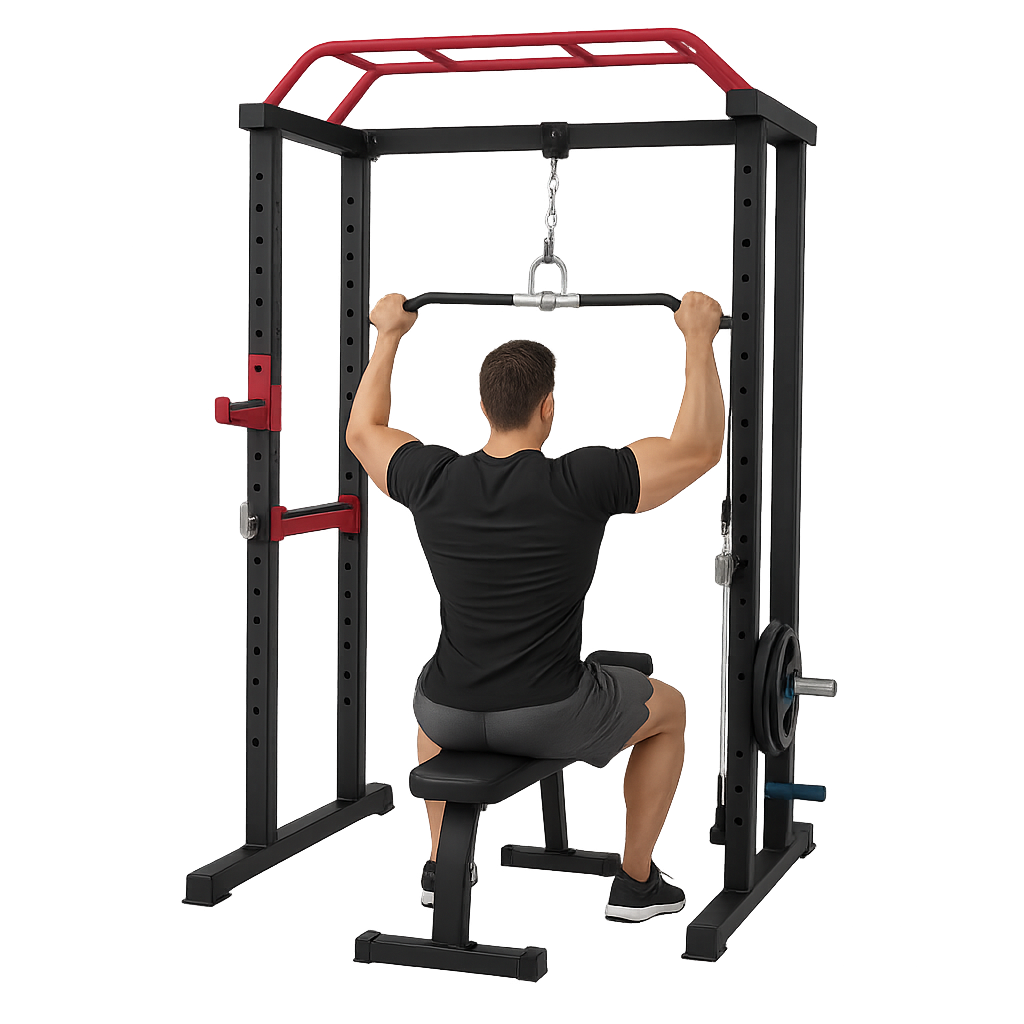 Power Racks
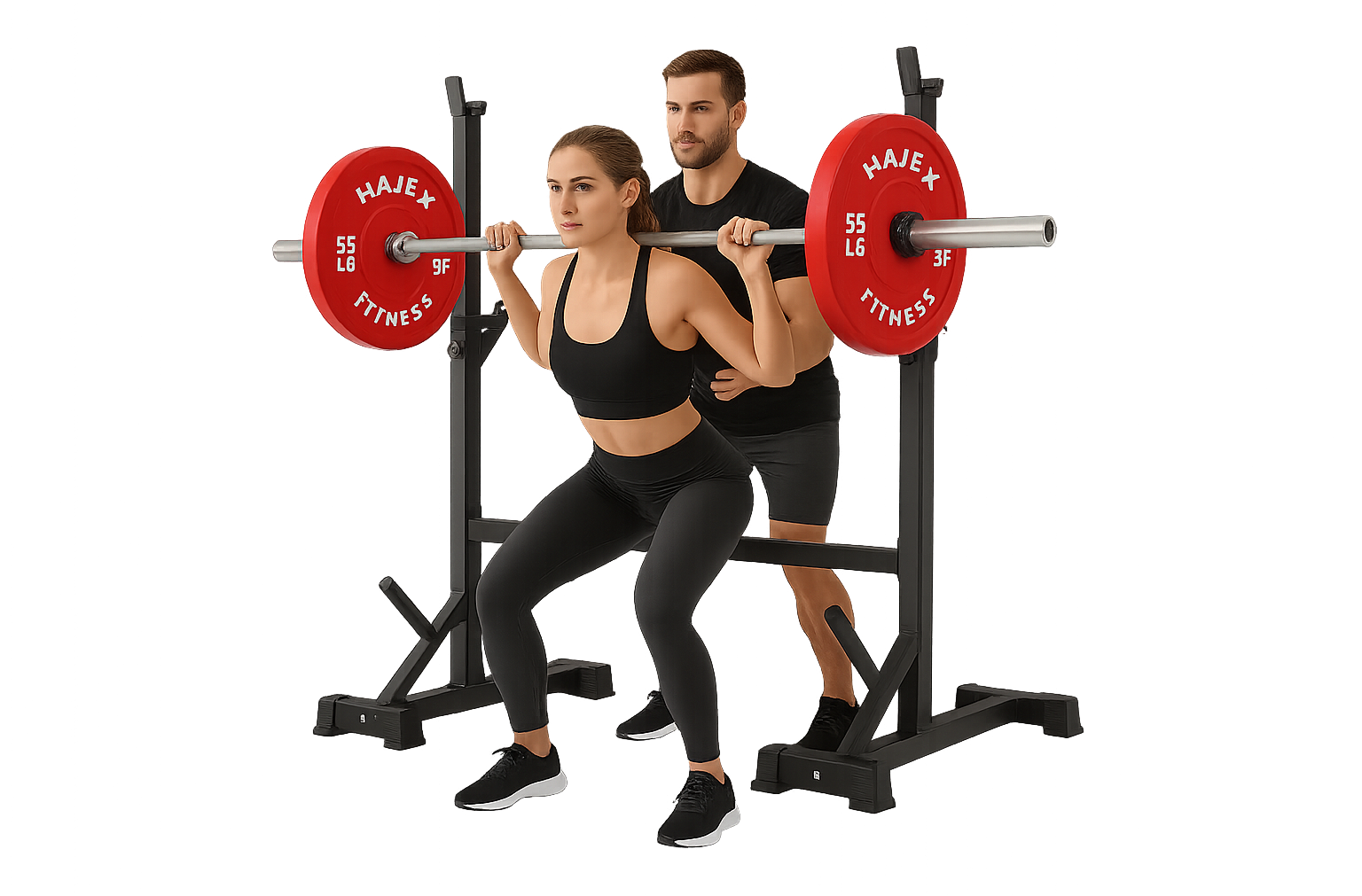 Squat Racks
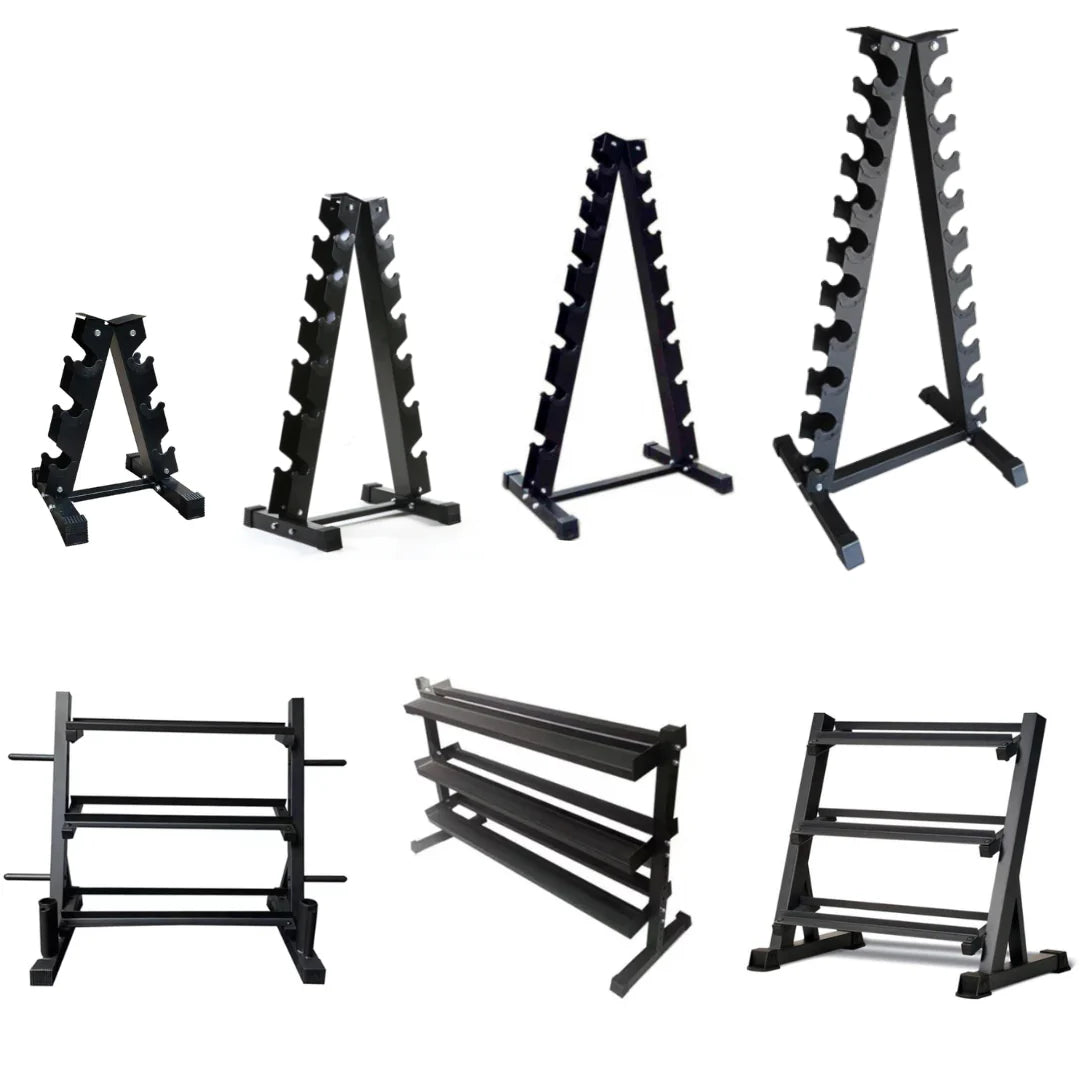 STORAGE RACKS
 Dumbbell & Kettlebell Racks
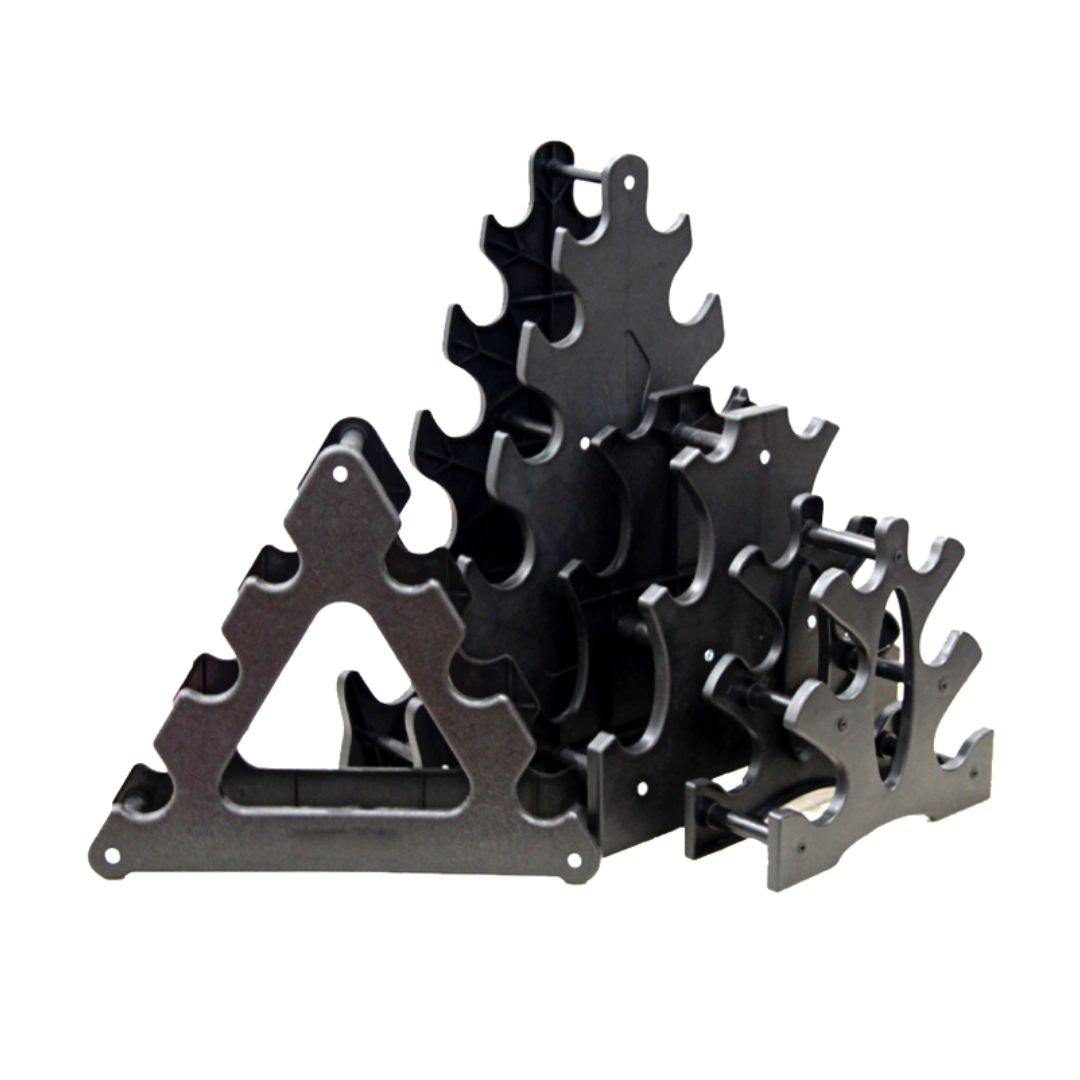 Mini Dumbbell Racks
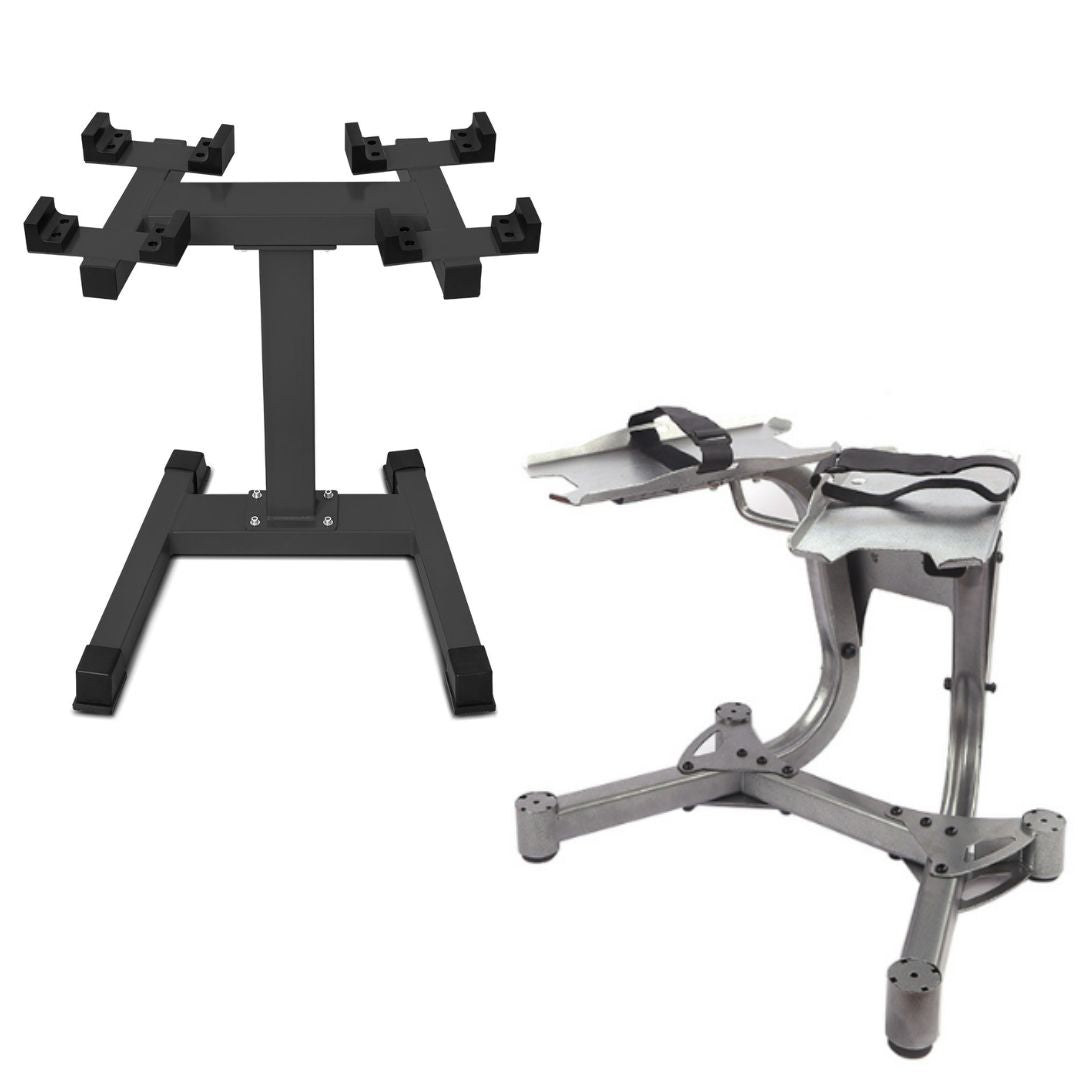 Adjustable Dumbbell Stands
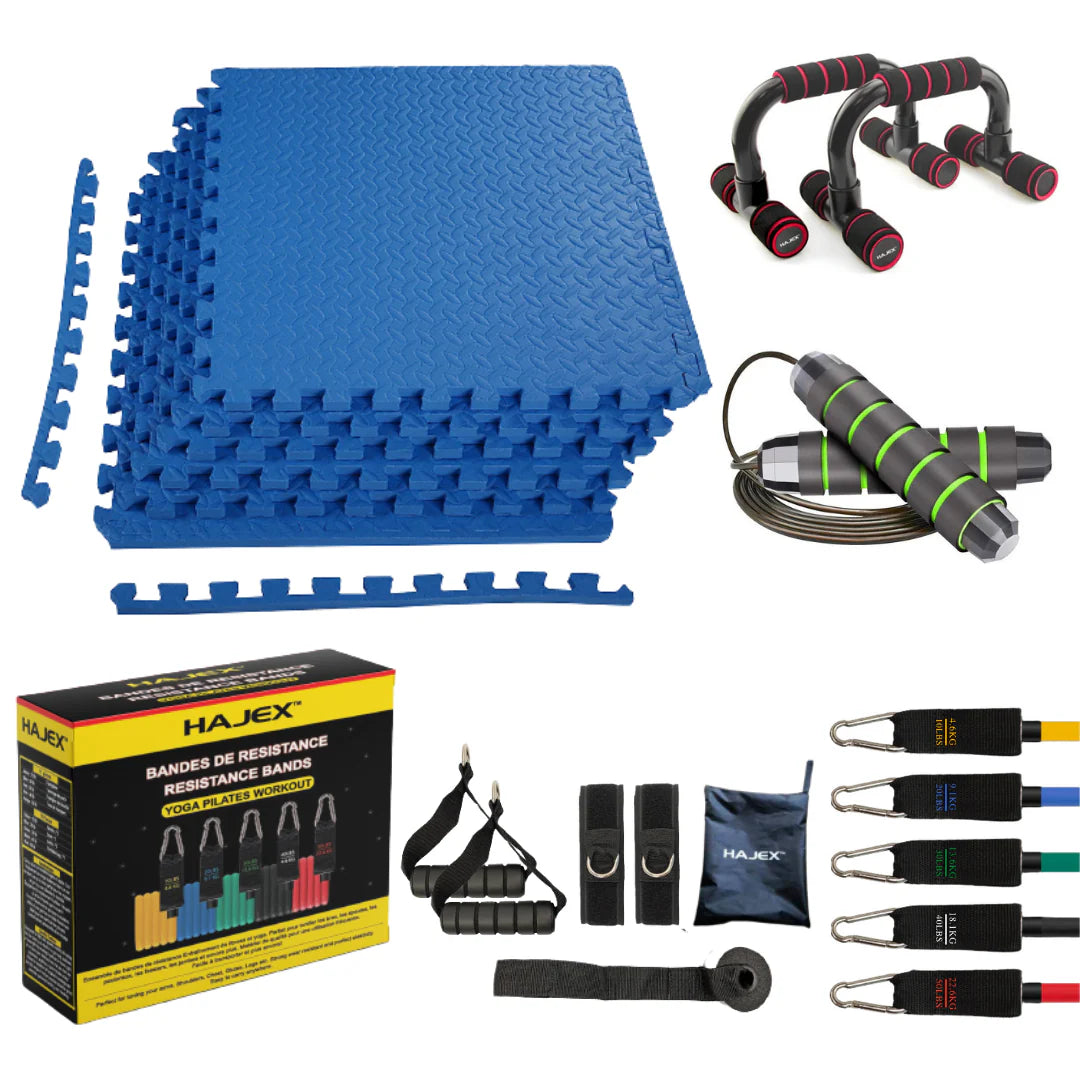 MORE
MORE
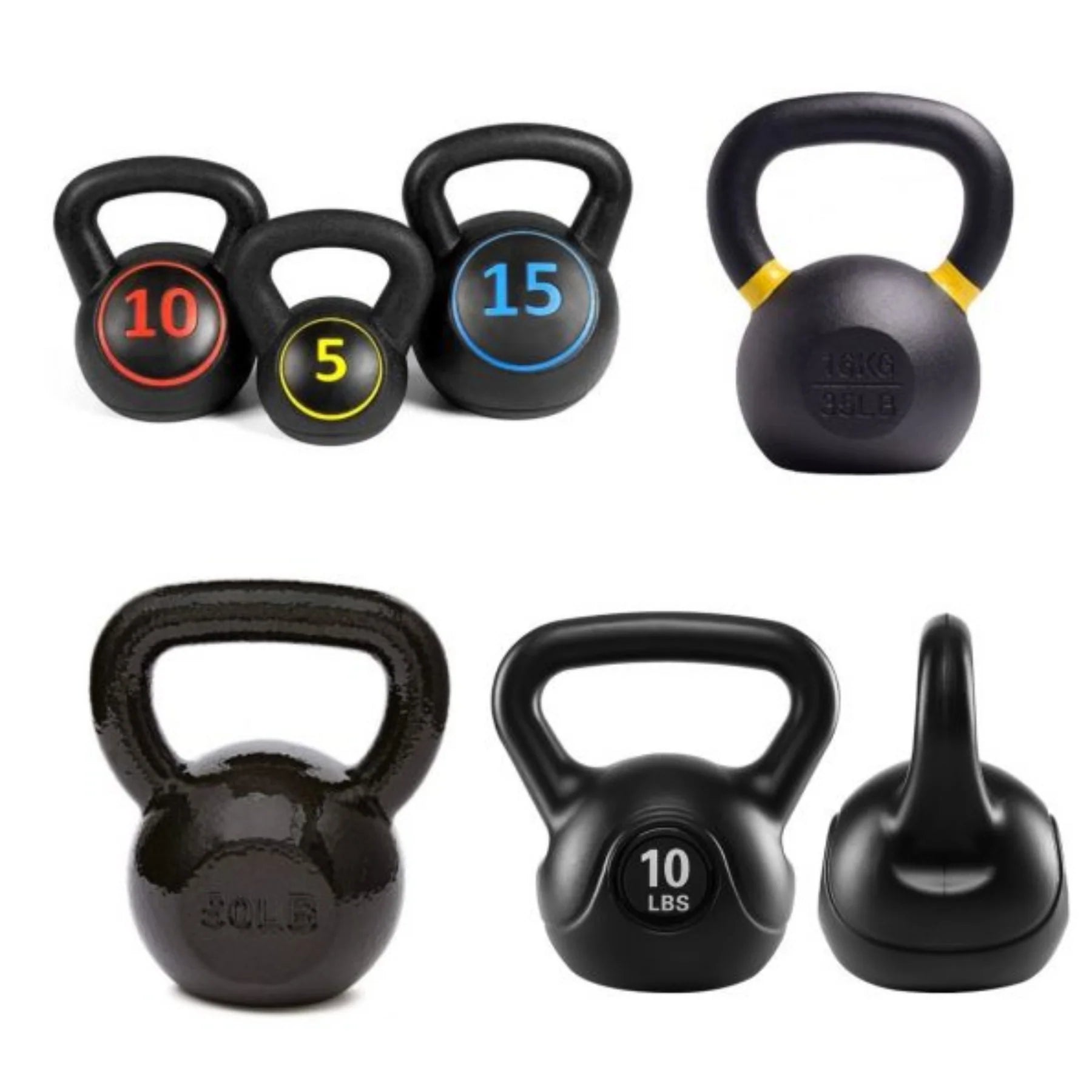 Kettlebells
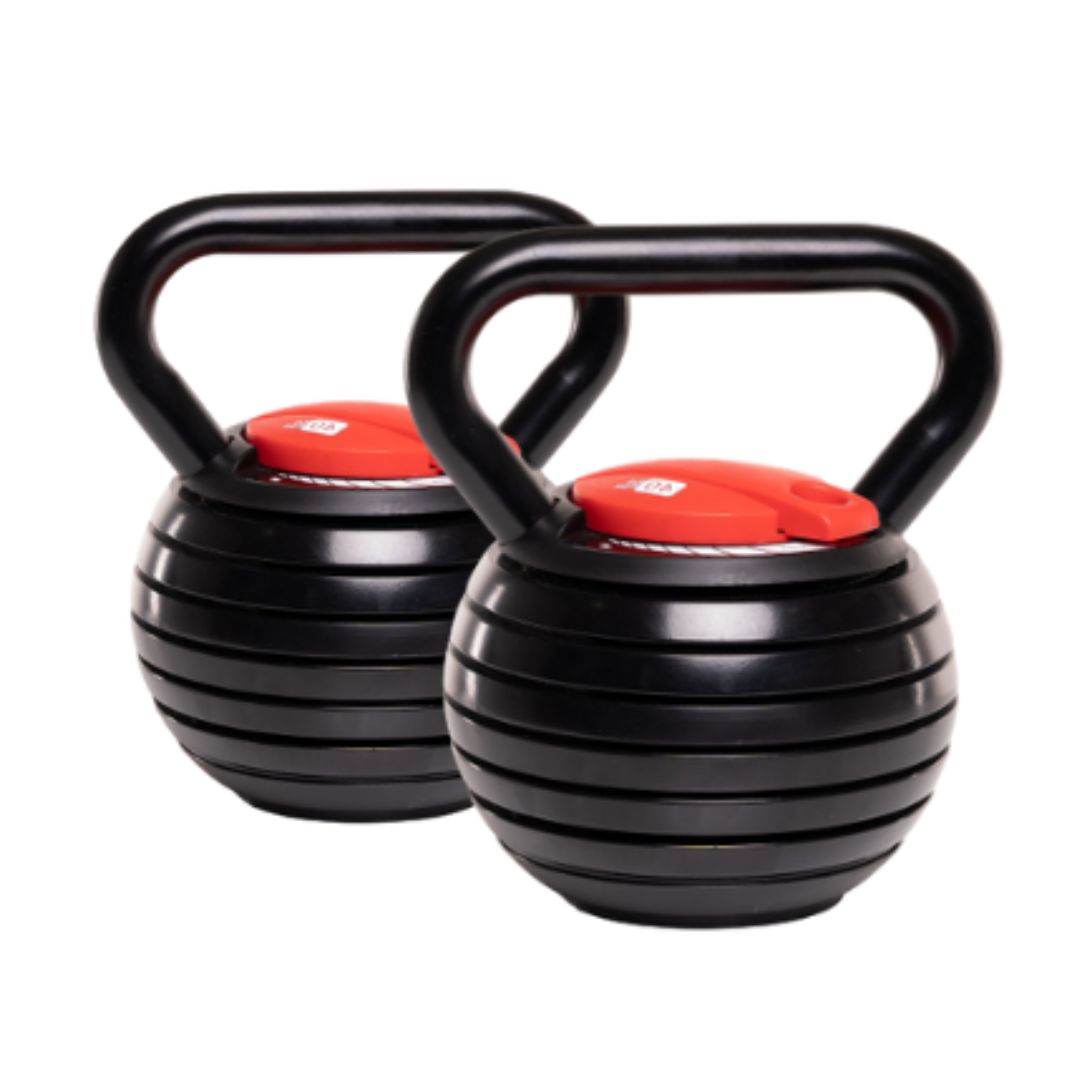 Adjustable Kettlebells - Single & Pair
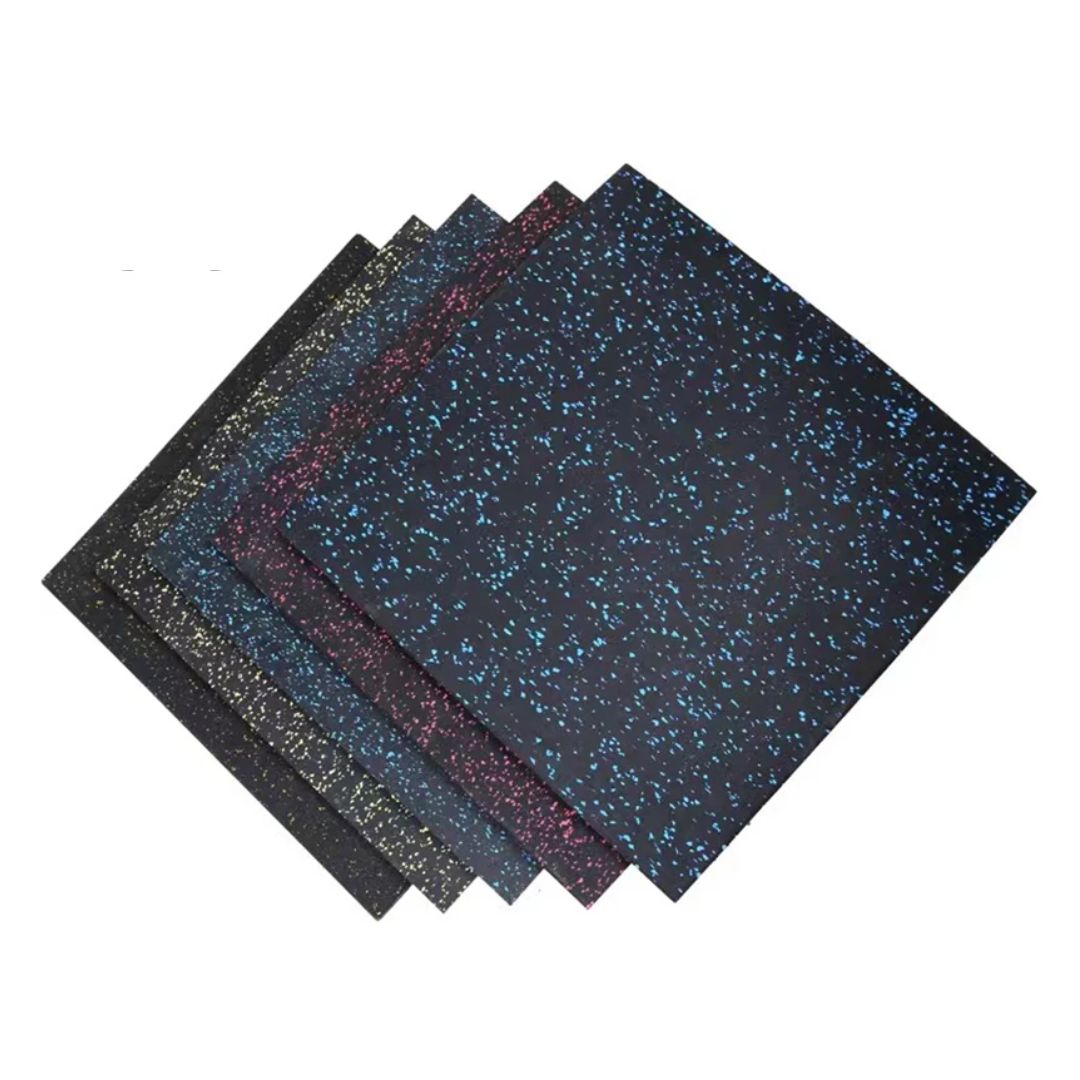 Floor Mats
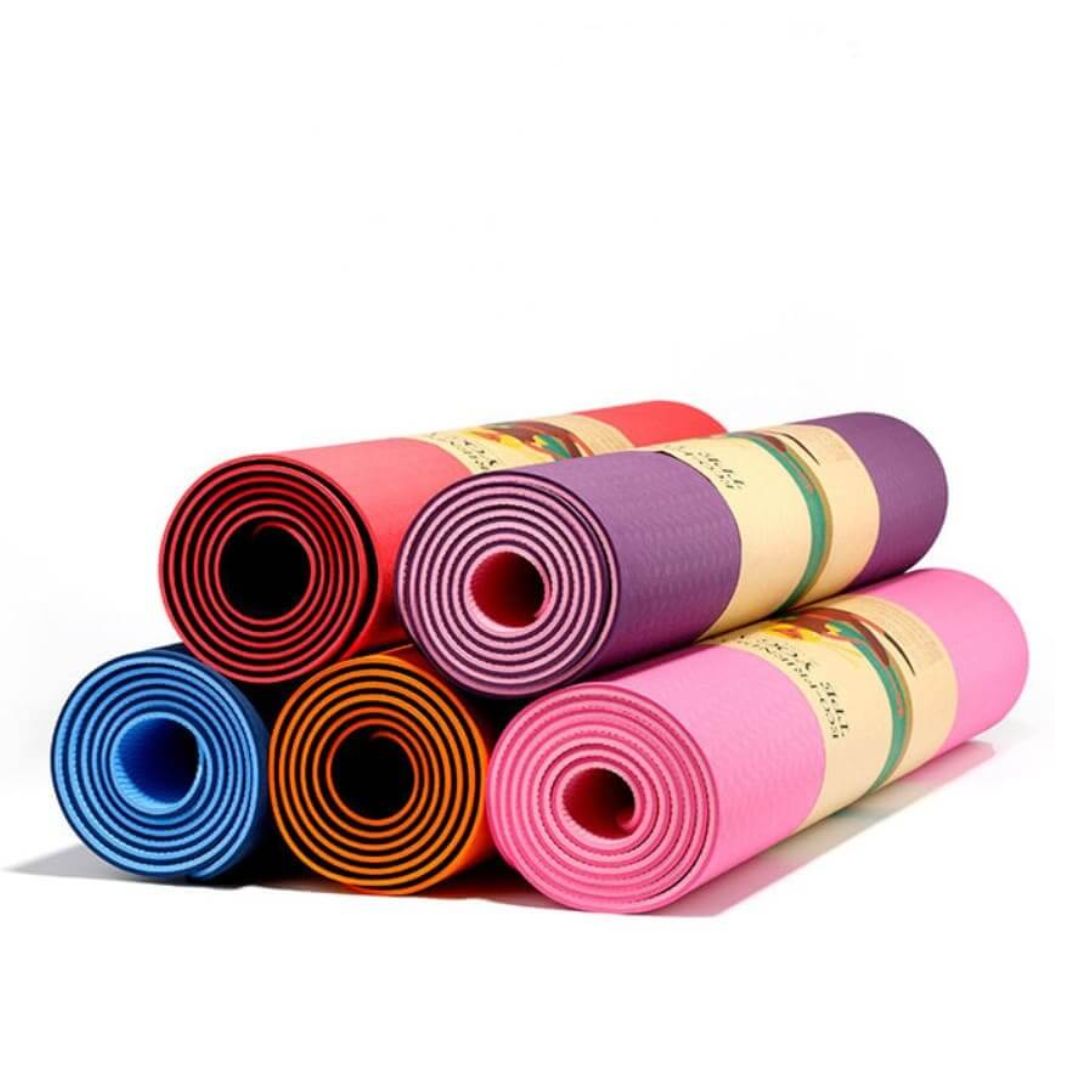 Yoga
Yoga
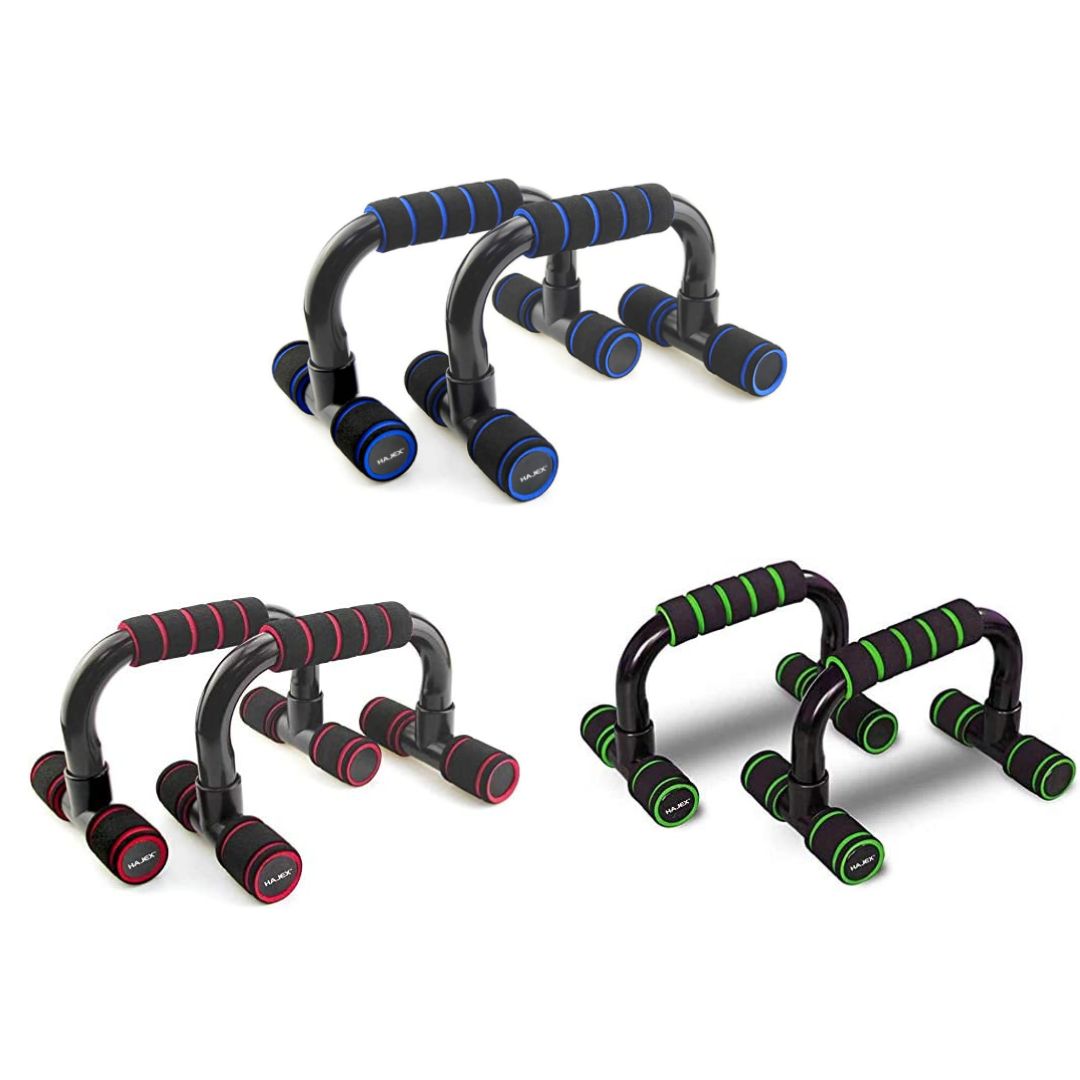 Push Up
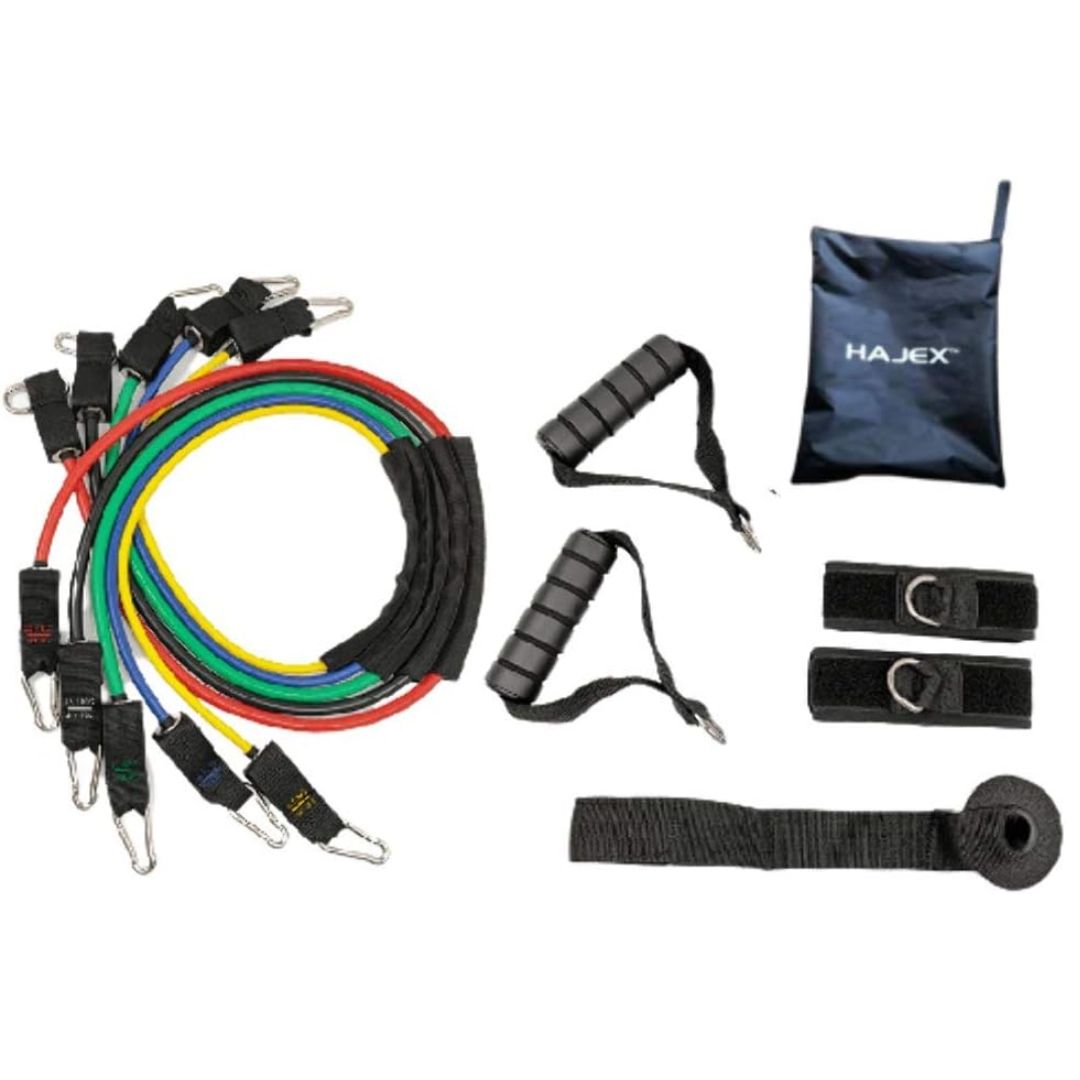 Resistance Bands
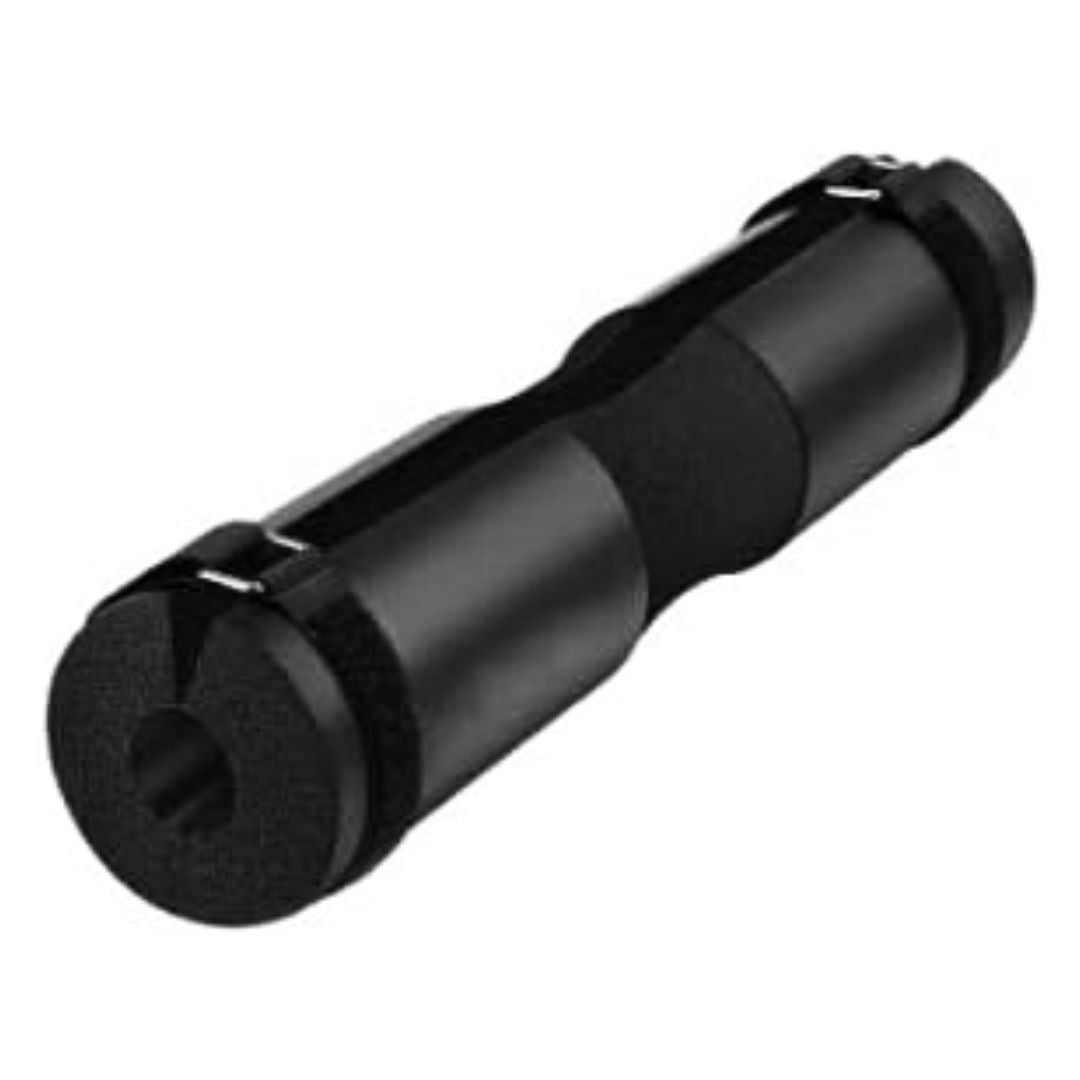 Barbell Pads
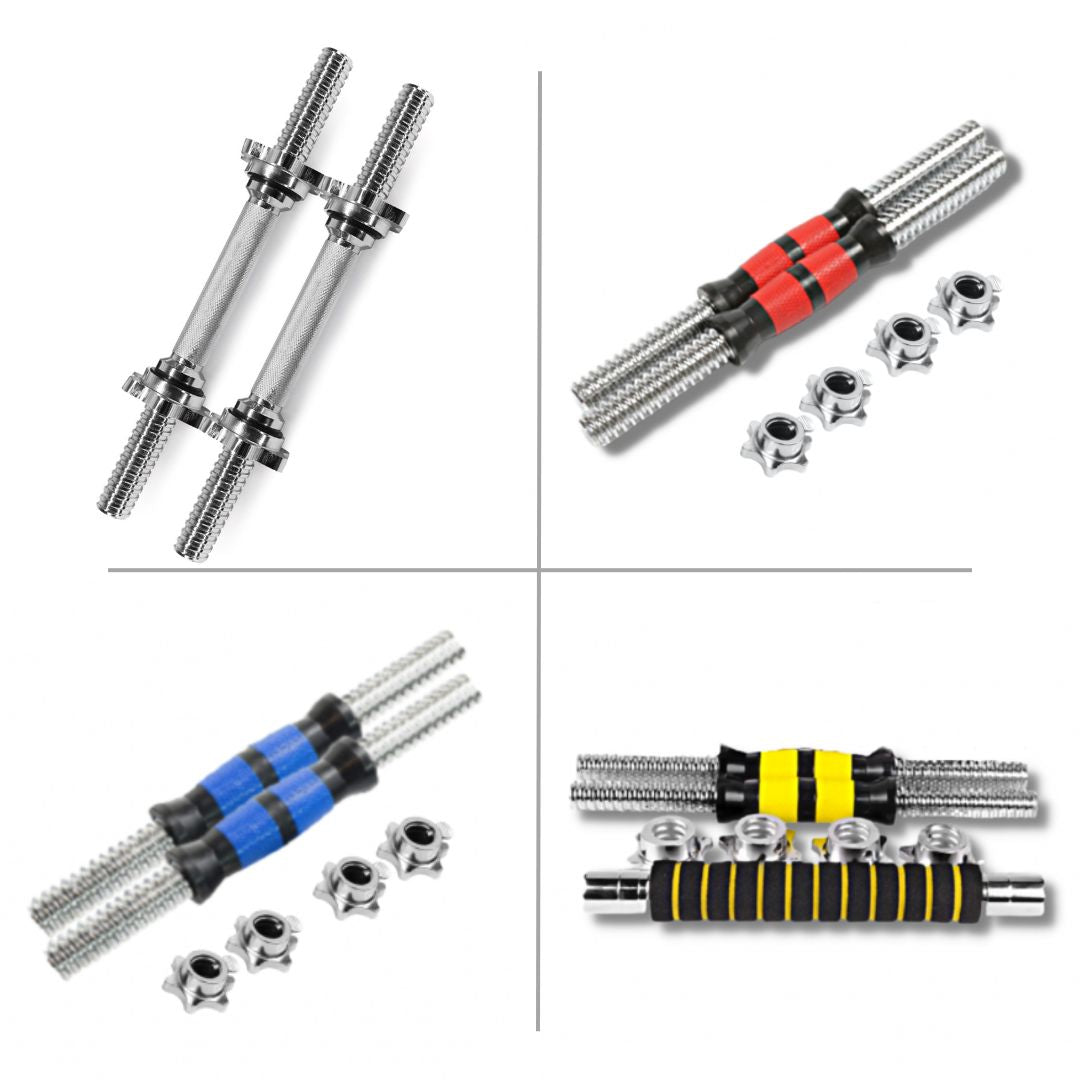 Dumbbell Handles
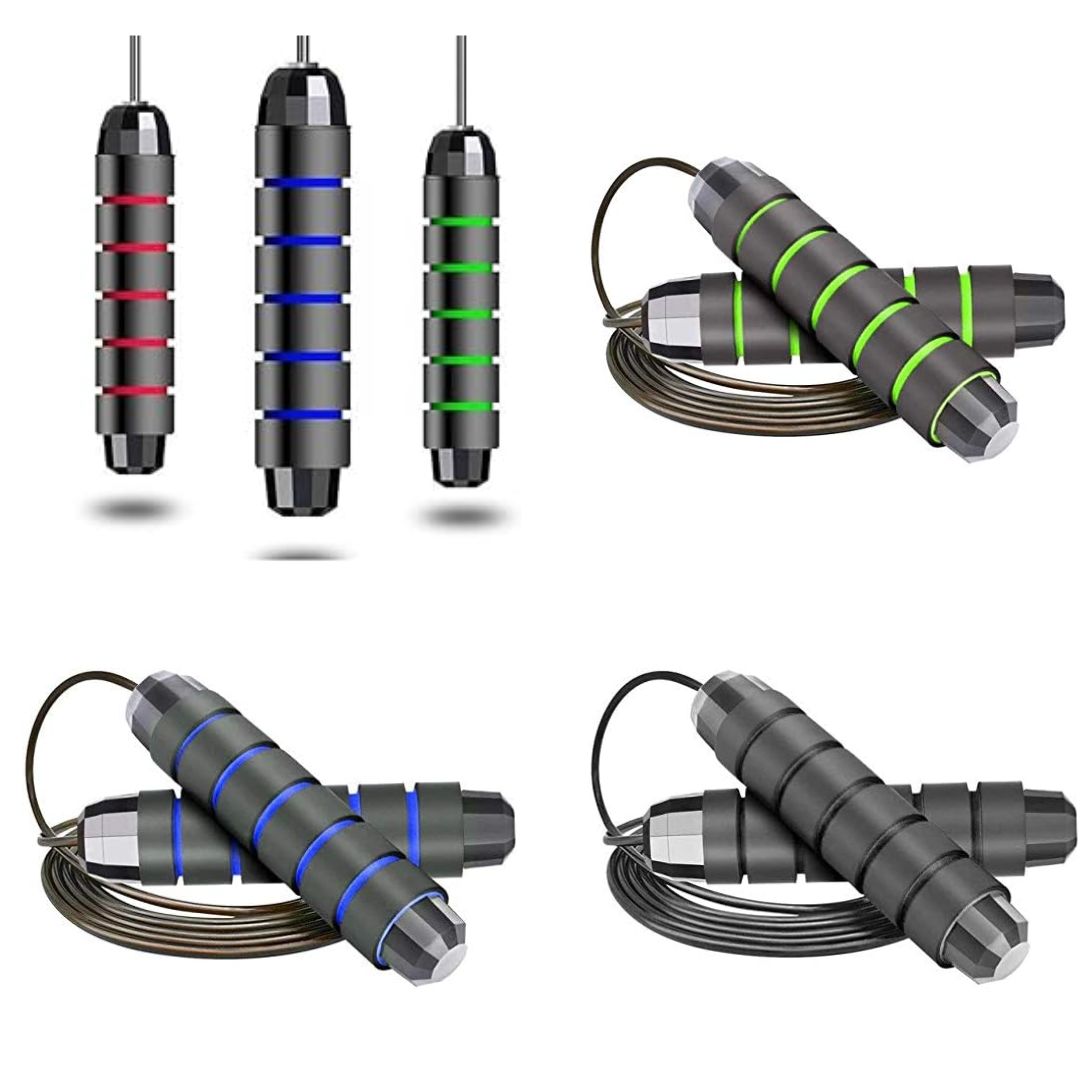 Jump Ropes


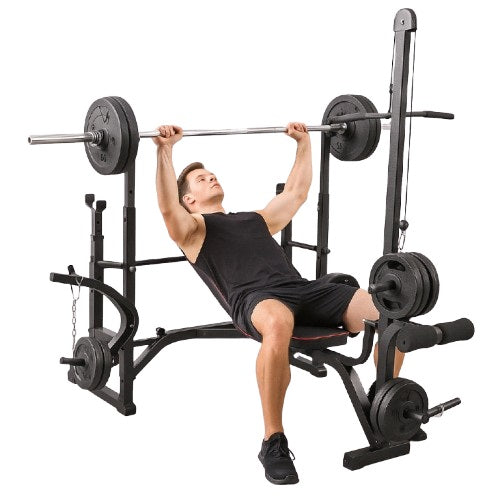

Power Rack vs. Squat Stand vs. Smith Machine: Which One Actually Fits Your Home Gym?
In our last post we settled the Olympic vs. standard barbell question. Now comes the purchase that determines how heavy — and how safely — you can actually train with that bar: the rack. Get this right and your home gym handles squats, bench, overhead press, and pull-ups for a decade. Get it wrong and you either outgrow it in a year or trip over it every time you park the car.
The three options, honestly compared
1. Squat stand: the space saver
A squat stand (or open squat rack) is two uprights with J-hooks, sometimes connected by a base. It holds the bar at squat and bench height, takes up as little as 4' x 4' of floor, and is the cheapest way to start barbell training at home.
Best for: tight spaces, garages shared with a car, lifters with a training partner or moderate loads.
The trade-off: most stands have limited or no safety catches. If you fail a heavy squat alone, there's nothing to catch the bar. That's fine at moderate weights with good judgment — it's a real risk once you're grinding near-maximal singles by yourself.
The HAJEX Power Squat Rack X1 is our entry point here — commercial-grade uprights, pull-up bar, and a footprint that fits basically any basement or garage corner, at a price that leaves budget for plates.
2. Power rack (power cage): the safety standard
A full power rack surrounds you with four (or six) uprights and — this is the part that matters — adjustable safety bars or straps that catch a failed lift at any height. It's the only option on this list that makes truly heavy solo training safe.
Best for: anyone training alone, anyone chasing serious strength numbers, and anyone who wants one structure to handle squats, bench, rack pulls, and pull-ups for life.
The trade-offs: footprint (plan for roughly 4' x 6' plus loading room) and ceiling height — most cages need 7'+ clearance, more if you want to do pull-ups without folding your knees to your chest. Measure your ceiling before you order. Basements with ductwork are the classic gotcha.
3. Smith machine: the guided all-in-one
A Smith machine fixes the bar on guided rails with catch hooks you can twist to lock at any point mid-rep. We covered the full case for it in our Smith machine deep-dive, but the short version: it's the safest way to train to failure alone, and modern units bundle cable stacks, pull-up bars, and landmine attachments into one station.
Best for: solo lifters who want maximum safety, bodybuilding-style training, and households where multiple people of different strength levels share one machine.
The trade-off: the fixed bar path removes the stabilizer work of free-weight lifting, and it's the biggest and heaviest option. Our Smith Machine X3 (3.0mm steel, 990 lb rated) and the rest of the X-series pair the guided bar with a full free-weight rack — genuinely the best of both if the budget allows.
The 60-second decision framework
Pick a squat stand if: space or budget is the binding constraint, you lift moderate loads, or you usually have a spotter. You can always upgrade later and keep the stand for a second station.
Pick a power rack if: you train alone with free weights, plan to get strong over years, and have the floor space and ceiling height. Pound for pound, it's the highest-value structure in strength training.
Pick a Smith machine if: solo safety is non-negotiable, you like training to failure, or you want cables and attachments built into one footprint.
Three things people forget to check
Ceiling height. Measure it. Then measure it where the rack will actually stand, not at the highest point of the room.
Bar compatibility. J-hooks and safeties on full-size racks are spaced for 7-foot Olympic bars. If you went with a standard bar or a shorty bar, confirm it spans your rack's uprights — this is exactly why we told you to pick the bar and rack as a system.
Anchoring. Lighter stands and racks should be bolted down or ballasted with plate storage. Kipping pull-ups on an unanchored rack is how equipment ends up on Reddit fail compilations.
The bottom line
The rack is the skeleton of your home gym — everything else attaches to it, literally or figuratively. Buy the one that matches how you'll train in two years, not just how you train today. And if you're stuck between two options, size up on safety: nobody has ever regretted having safety catches under a heavy bar.
Questions about which setup fits your space? Reach out at info@hajex.com — send us your room dimensions and we'll tell you straight what fits.


